
News


How to Create a Portfolio for DASS Master's Program Admissions
On June 24, a webinar of the DASS Master's program was held, where the program's teacher and deputy head of the ANR-Lab, Irina Pavlova, spoke about how to create a portfolio for admission to the program.

Topics of the final qualifying works of MASNA (DASS) students of 2025
On June 16-17, students of the master's program "Applied Statistics with Network Analysis" (now "Data Analytics and Social Statistics") defended their final qualifying theses; all of them received "good" and "excellent" grades.

The Spring Open Days results: how it was on the DASS program
The spring on the master's program in Data Analytics and Applied Statistics (DASS) turned out to be eventful: we held a series of Open Days where we talked about learning opportunities, met with employees, teachers, students and graduate students, and shared the secrets of a successful start in the world of Data Analysis. We are sharing a brief overview of past events.

Student Evaluation of Teaching 2024-2025. Module 3.
Till March 24, 2025 HSE students will have an opportunity to assess the quality of their teachers’ work and curriculum content.
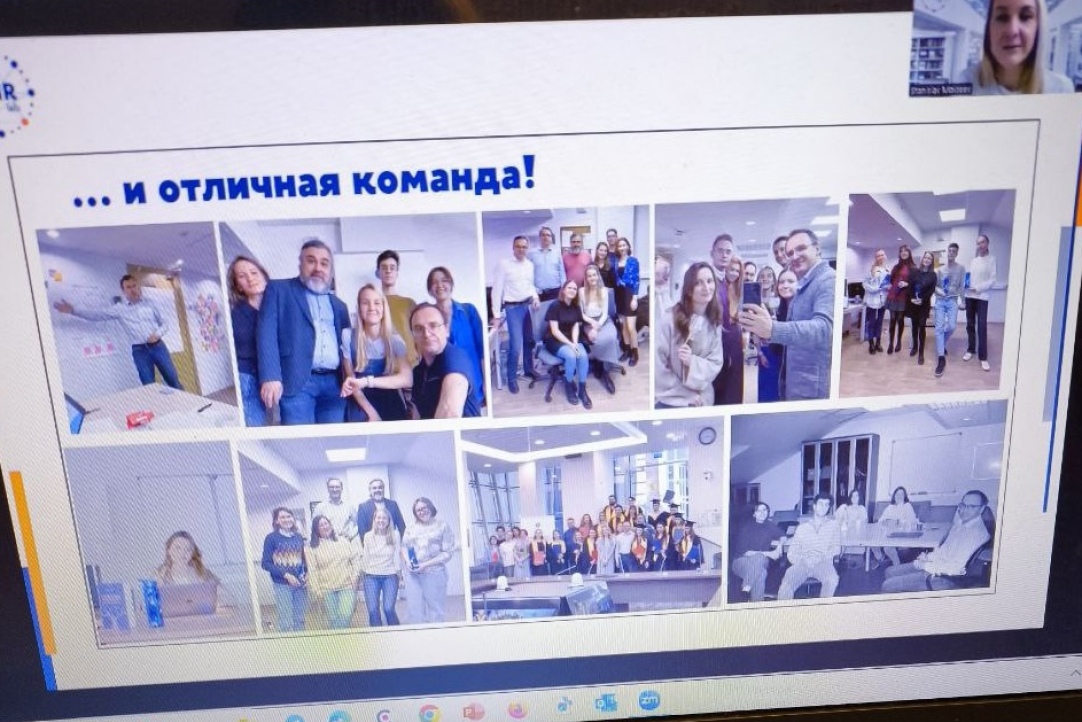
DASS at the Open Day of the Faculty of Social Sciences of the HSE University
On November 30, the Faculty of Social Sciences held an Open Day of educational programmes at the HSE University, where the master's programme 'Data Analytics and Social Statistics' was presented.
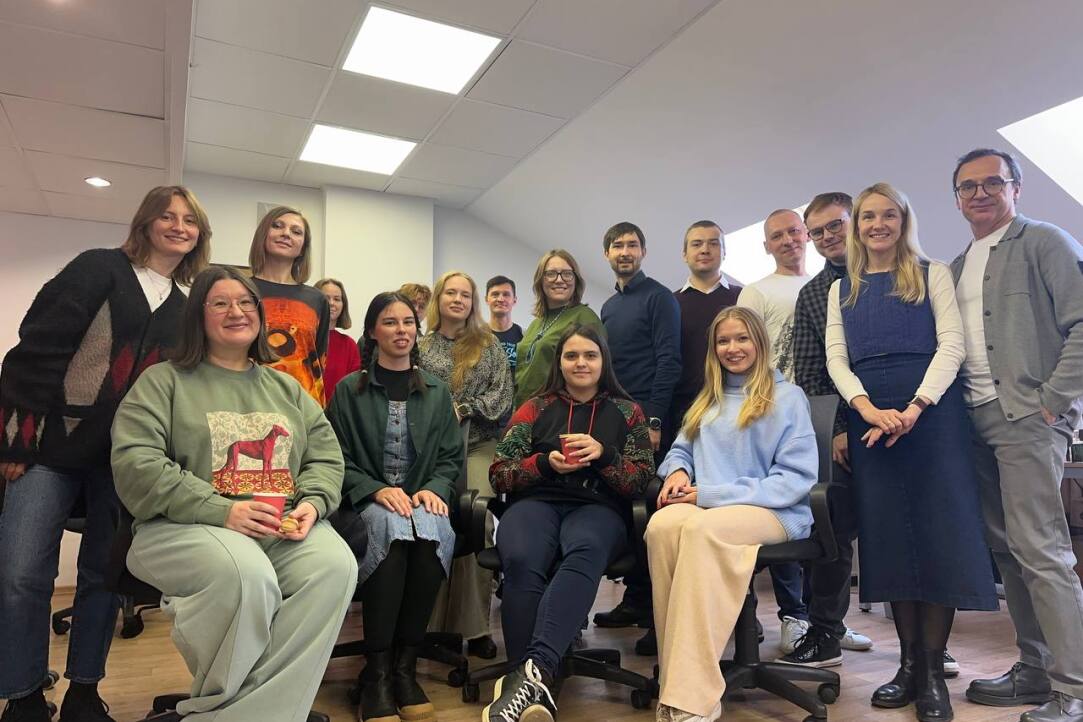
Meetup 'Local Meetings and Global Connections'
On November 9, a hybrid meetup was held by the International Laboratory for Applied Network Research (ANR-Lab) and the Master's programme 'Data Analytics and Social Statistics' (DASS). The event brought together students and graduates of the DASS (ex-MASNA) master's programme, team and friends of the laboratory to discuss how the programme is doing and what opportunities for collaboration exist.
Best DASS Courses
Eight courses in the Master's programme 'Data Analytics and Social Statistics' were recognized as the best by students of the 2023-2025 cohort.
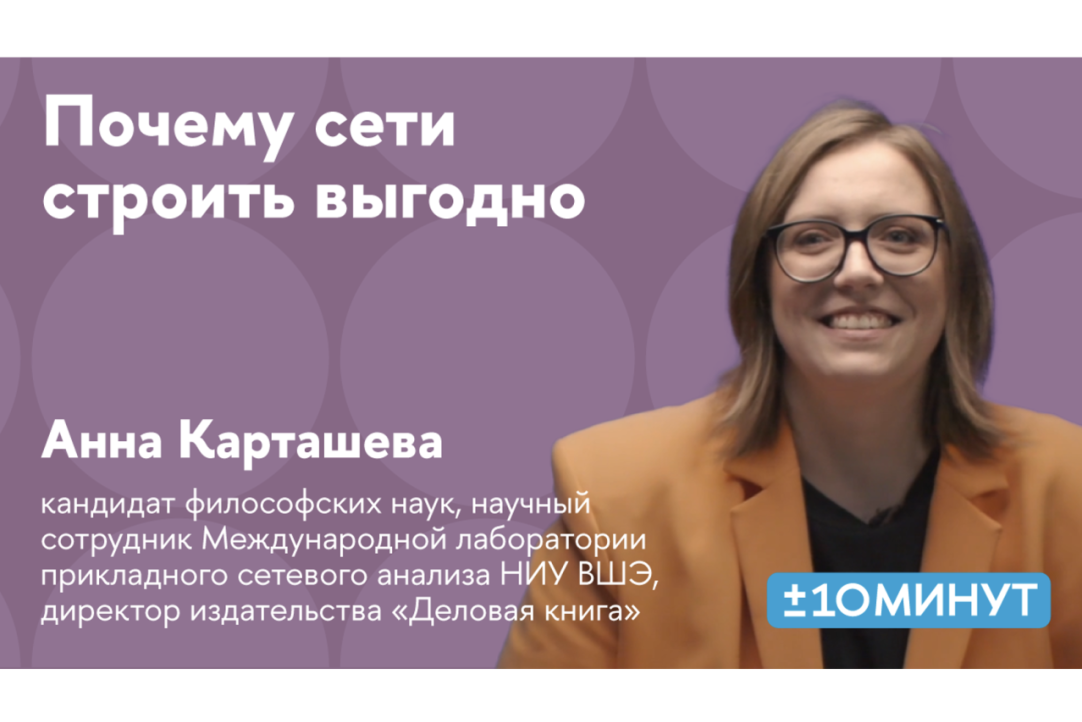
Anna Kartasheva explained why it is profitable to build networks.
In the new episode of '+/- 10 minutes,' Anna Kartasheva, PhD in Philosophy, research fellow at the International Laboratory of Applied Network Research at the HSE University, and director of the publishing house 'Business Book,' explained why it is profitable to build networks, what systemic distortions of technologies exist, how they work, why quality content does not always get many views and likes, and what is the difference between echo chambers and filter bubbles.
Start of the school year on the DASS programme
The Data Analytics and Social Statistics (DASS) academic year has begun!
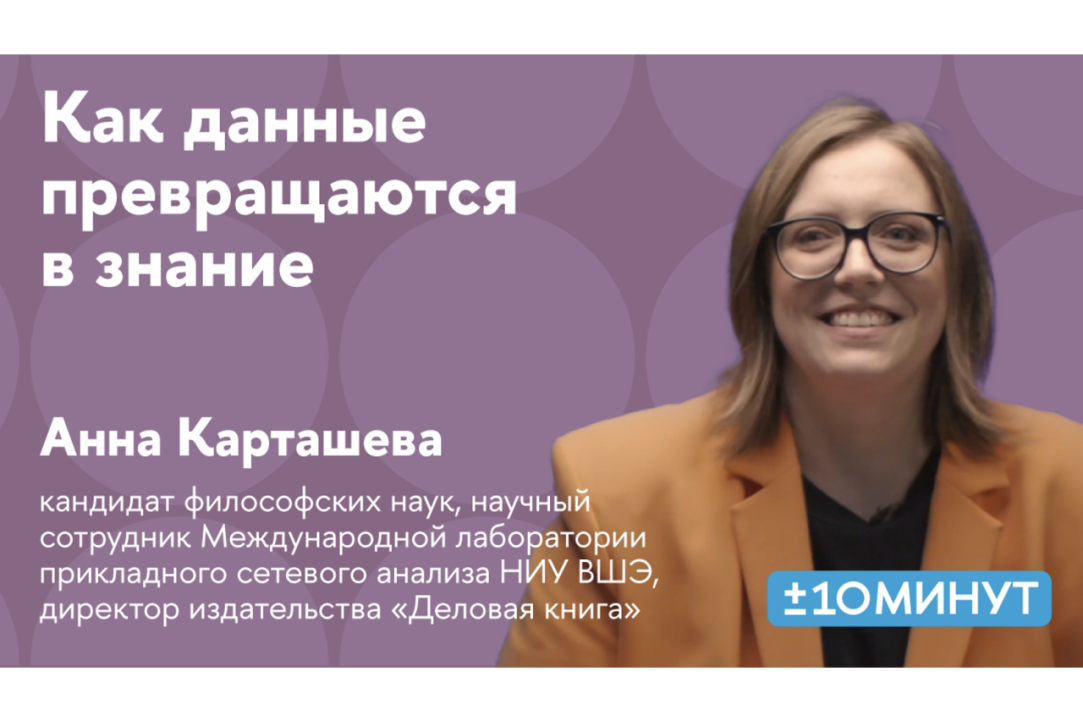
Аnna Kartasheva told how data turns into knowledge
The expert of the new issue of the "+/- 10 minutes" column is Anna Kartasheva, PhD in Philosophy, research fellow at the International Laboratory for Applied Network Research at the National Research University Higher School of Economics, and director of the publishing house "Business Book". In the lecture, we will look at how data becomes information, and information becomes knowledge. We will also discuss whether data can be a neutral and error-free record of facts, and how the specifics of knowledge formation affect modern information systems.