
The Center for Language and Brain studies brain and language connection using cutting-edge methods and technologies. We are interested in the speech of kids and adults, mono- and bilinguals, patients with various neurogenic speech disorders. In collaboration with worldwide renowned specialists, we organize open lectures and seminars. HSE students can write a term paper supervised by the lab members, undertake an internship in one of our projects or join the lab as research assistants to do some serious science.
Learn more about our projects, members and events, take a look at our latest publications, participate in our experiments or contact us.
The center was established on April 1, 2018 on the basis of the Neurolinguistics laboratory, which has worked at HSE since 2013 under the leadership of Olga Dragoy.
Since 2018, the Centre is supported by the RF Government grant № 14.641.31.0004.


First Caucasus School on Experimental Research and Cognitive Sciences Takes Places in Adygea
On September 17–20, 2025, the First Caucasus School on Experimental Research and Cognitive Sciences took place at the Gornaya Legenda venue of Adyghe State University (ASU). The event was organised by the ASU Experimental Linguistics Laboratory, the HSE Centre for Language and Brain, and the HSE Centre for Sociocultural and Ethnolinguistic Studies. The school brought together over 50 participants—students, doctoral candidates, and early-career researchers from across Russia, along with lecturers and speakers from France, Serbia, China, Turkey, Kazakhstan, and Uzbekistan.

Autism as a Global Challenge: HSE University Brings Together Experts from 15 Countries
Autism spectrum disorders (ASD) pose challenges not only in medicine, but also in education, social policy, and technology. Scientists, doctors, educators, and government representatives have discussed how science and practice can help people with such disorders at the conference ‘Autism. Challenges and Solutions.’ For the first time, the event has been held at HSE University.

Centre for Language and Brain Conducts First Neurolinguistic Field Study of Reading in Yakut
In July, a team from the HSE Centre for Language and Brain, in collaboration with the Centre for the Study, Preservation, and Development of Native Languages of the Academy of Sciences of the Republic of Sakha (Yakutia), conducted the first-ever neurolinguistic expedition to the village of Churapcha to study reading in the Yakut language using electroencephalography (EEG). For the first time, EEG data from 43 adults and behavioural data from 40 children was collected during the two-week expedition.

HSE Scientists Explain How to Identify Brain Areas Critical for Language Function During Surgery
The HSE Centre for Language and Brain conducted a course on tractography, a method that enables visualisation of key brain connections and helps surgeons avoid damaging language-critical areas during surgery. The course was attended by neurosurgeons and radiologists from Moscow and other Russian regions who are interested in methods of preoperative language mapping.

Researchers Uncover Specific Aspects of Story Comprehension in Young Children
For the first time, psycholinguists from the HSE Centre for Language and Brain, in collaboration with colleagues from the USA and Germany, recorded eye movements during a test to assess narrative skills in young children and adults. The researchers found that story comprehension depends on plot structure, and that children aged five to six tend to struggle with questions about protagonists' internal states. The study findings have been published in the Journal of Experimental Child Psychology.
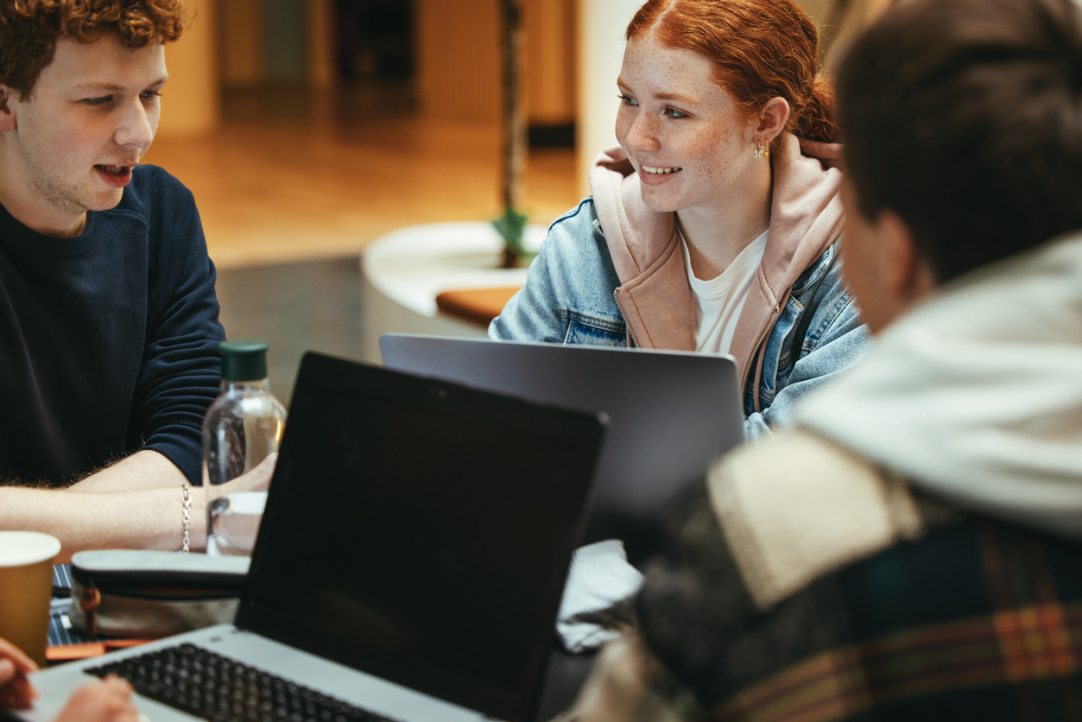
Eye Tracking Can Help Identify Aggressive Tendencies in Adolescents
Scientists at Privolzhsky Research Medical University (PRMU) and the Centre for Language and Brain Studies at the HSE Campus in Nizhny Novgorod have developed methods to diagnose autoaggressive and heteroaggressive tendencies in adolescents using eye-tracking technology. This will allow psychiatrists and psychologists to address this condition in young people before they may harm themselves or others. Anna Khomenko, Senior Research Fellow of the Centre for Language and Brain Studies at the HSE Campus in Nizhny Novgorod, presented the results of the project at the NeuroThursday seminar.
'We Are Creating the Medicine of the Future'
Dr Gerwin Schalk is a professor at Fudan University in Shanghai and a partner of the HSE Centre for Language and Brain within the framework of the strategic project 'Human Brain Resilience.' Dr Schalk is known as the creator of BCI2000, a non-commercial general-purpose brain-computer interface system. In this interview, he discusses modern neural interfaces, methods for post-stroke rehabilitation, a novel approach to neurosurgery, and shares his vision for the future of neurotechnology.

'Neurotechnologies Are Already Helping Individuals with Language Disorders'
On November 4-6, as part of Inventing the Future International Symposium hosted by the National Centre RUSSIA, the HSE Centre for Language and Brain facilitated a discussion titled 'Evolution of the Brain: How Does the World Change Us?' Researchers from the country's leading universities, along with health professionals and neuroscience popularisers, discussed specific aspects of human brain function.

Children with Autism Process Auditory Information Differently
A team of scientists, including researchers from the HSE Centre for Language and Brain, examined specific aspects of auditory perception in children with autism. The scientists observed atypical alpha rhythm activity both during sound perception and at rest. This suggests that these children experience abnormalities in the early stages of sound processing in the brain's auditory cortex. Over time, these abnormalities can result in language difficulties. The study findings have been published in Brain Structure and Function.
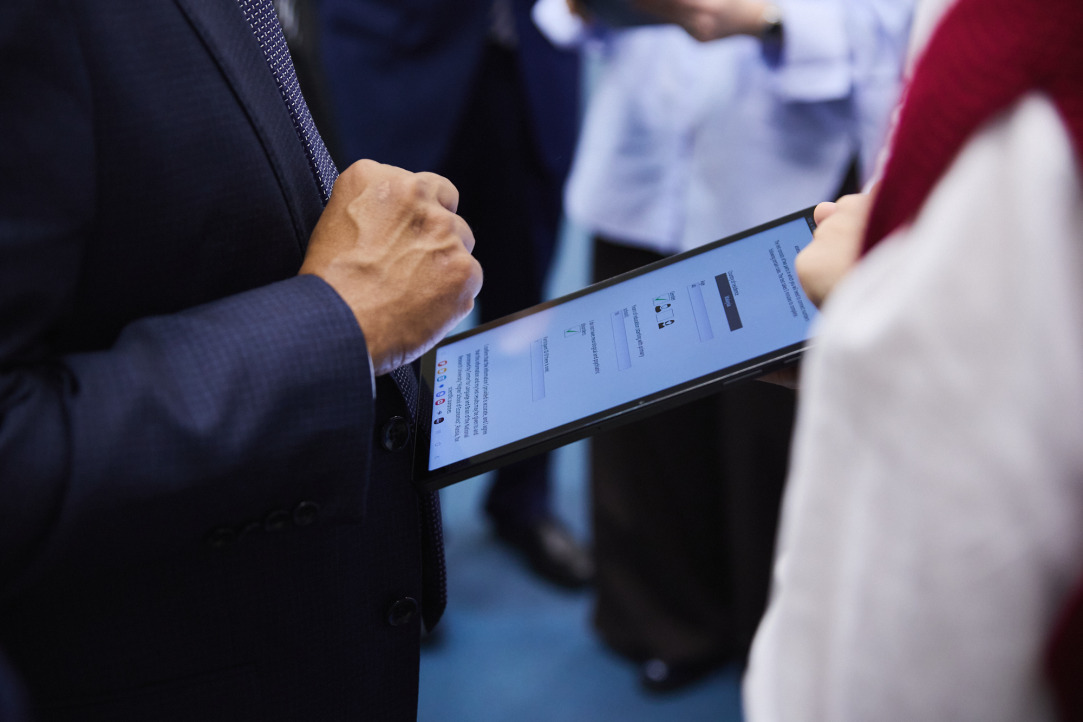
The Centre for Language and Brain at the exhibition of scientific projects dedicated to the visit of the delegation from Malaysia
The Minister of Higher Education of Malaysia, Zambri Abdul Kadir, and members of the Malaysian delegation met with researchers from HSE University — St. Petersburg on October 10, 2024, at the exhibition of scientific projects.