EN

Tag "achievements"

HSE Graduate Receives Bertrand Meyer Award

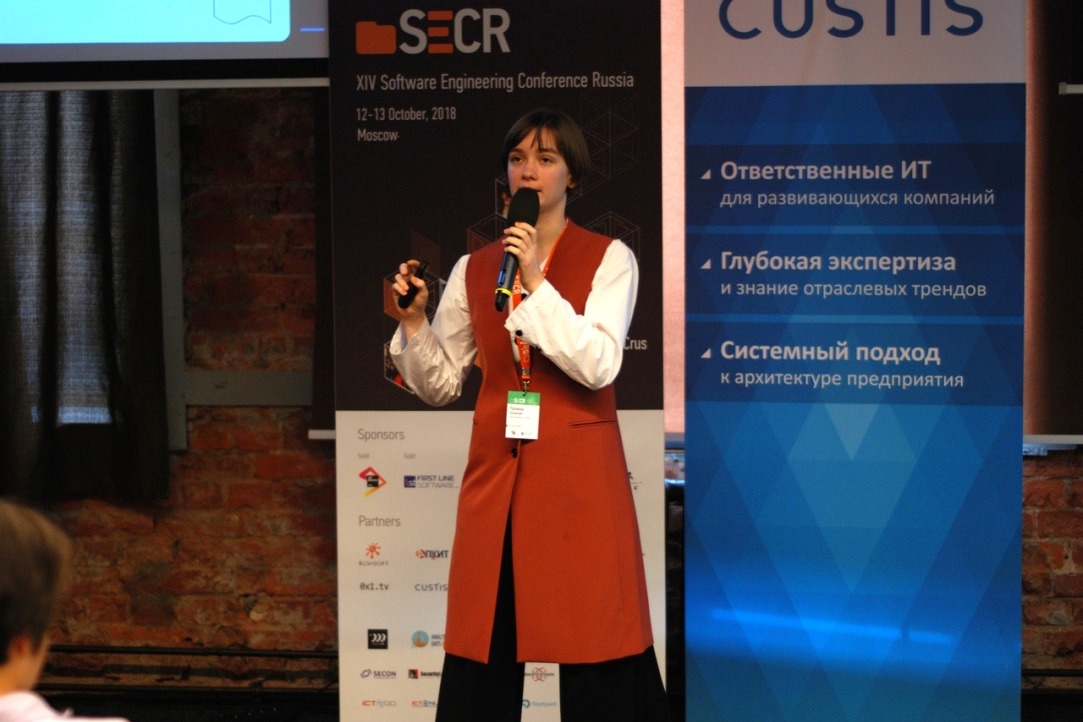
Polina Kazakova, graduate of the 'Fundamental and Computational Linguistics' Bachelor’s Programme
Polina Kazakova, graduate of the 'Fundamental and Computational Linguistics' Bachelor’s Programme, has won the Bertrand Meyer award for the best research project at the Software Engineering Conference in Russia 2018.

HSE Master’s Student Receives Grant for Developing Arctic Transport Platform Project

HSE Master’s Student Receives Grant for Developing Arctic Transport Platform Project
This project involves creating a prototype of a universal transport platform ‘SuperArctic+”, based on the results of studying existing and emerging technologies. The platform will be able to move on water, under water, on ice and on the ground.

HSE’s Anna Efimova and Denis Strebkov Awarded the Elizabeth H Nelson Prize

Anna Efimova and Denis Strebkov from the Higher School of Economics were awarded the Elizabeth H Nelson Prize at the 71st Annual Conference of the World Association for Public Opinion Research (WAPOR), Marrakech, June 27-30, 2018.

HSE Student to Present at Association for Computational Linguistics Conference

HSE Student to Present at Association for Computational Linguistics Conference
An article by HSE Faculty of Computer Sciences senior Artyom Gadetsky was accepted for presentation at the Association for Computational Linguistics international conference, the only A* level conference on computational linguistics. According to the CORE system, which ranks large conferences in computer science, the category A* is the highest level for a conference.

Scientists From HSE Awarded New Grants from RSF

The Russian Science Foundation has announced the most recent winners of three-year grants for scientific research. Among the recipients are a number of projects carried out by scientists at the Higher School of Economics.

Web-service Designed by the HSE Centre for Digital Humanities Nominated for DH Awards 2017

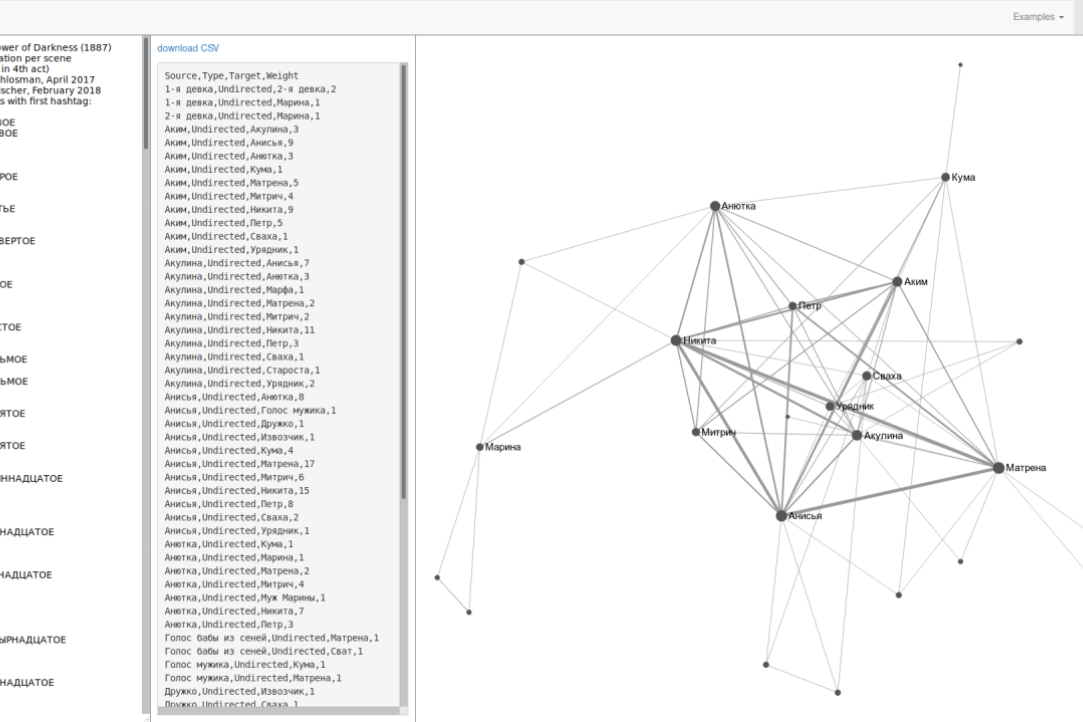
Web-service Designed by the HSE Centre for Digital Humanities Nominated for DH Awards 2017
The Easy Linavis web-service allows users to quickly transform a text or any other type of data into a graph, as well as study it by using a social network analysis. You don’t need any special programming skills to use this service.

Moscow Mathematical Journal Named Most Influential Russian Journal in Mathematics of 2017

The recipients of the annual Web of Science Awards are the most influential scientists, scientific organizations and publications of the year. The Moscow Mathematical Journal has made it into the top quartile in the subject area of mathematics and was announced by jury members to be the most influential Russian scientific journal of 2017.

HSE MIEM Professor Elected Fellow of American Physical Society

HSE MIEM Professor Elected Fellow of American Physical Society
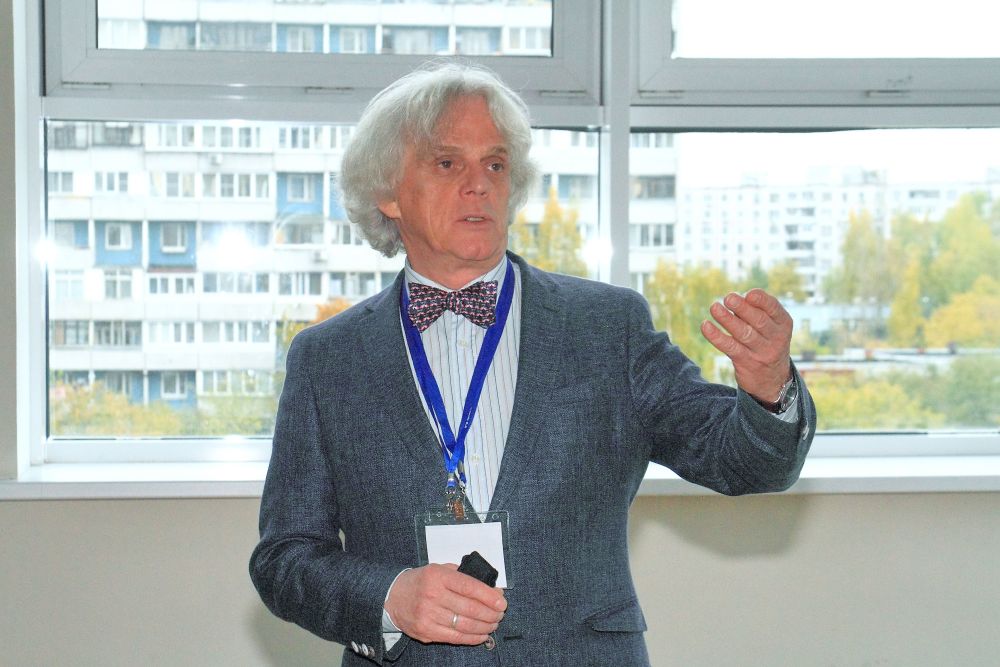
The American Physical Society (APS) has recognised HSE MIEM Professor Lev Shchur for his innovative use of computer simulations and the development of superior random number generators for their use in statistical physics. Professor Shchur is the only academic working in Russia to be selected as APS Fellow in 2017.

HSE Students Develop Programmes to Help Treat Immune System Disorders

Rudolf Laiko and Sophia Tolstoukhova have applied deep learning methods to solving immunological issues that could contribute to the further development of personalized medicine. The results of their research were presented at the International Conference ISMB/ECCB 2017 focused on the application of intelligent systems in molecular biology.

HSE Researchers Use Neural Networks for Odour Recognition

HSE Researchers Use Neural Networks for Odour Recognition
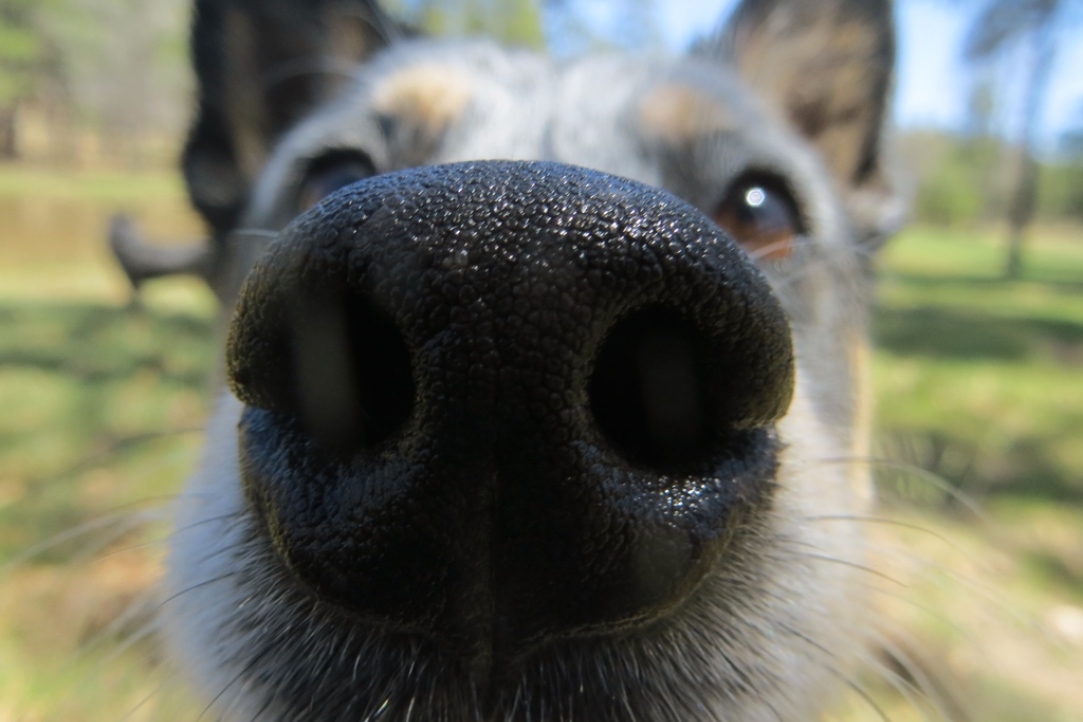
Researchers from the HSE Laboratory of Space Research, Technologies, Systems and Processes have applied fast-learning artificial intelligence to odour recognition andpatented a handy electronic-nose device capable of recognising the olfactory patterns of a wide range of chemicals. In addition to discriminating between different gas mixtures, the electronic nose will be able to capture and memorise new smells. According to HSE scientists, the product of their research is likely to benefit both security services and members of the public.