
News

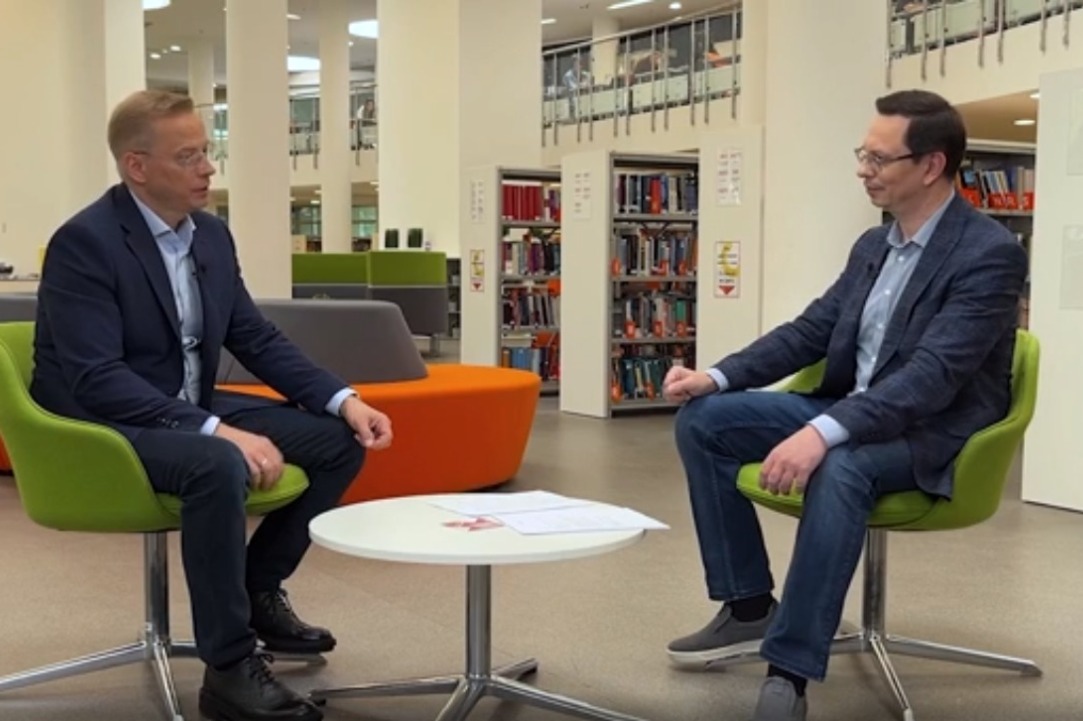
‘Administrators Must Create a Real University that Works for Each and Every Student’
Nikita Anisimov was appointed Rector of HSE University two years ago. In his interview with Ernest Mackevičius, Director of the HSE University Institute of Media, journalist, and television presenter, the HSE rector talks about how he came to the university, its achievements and development plans, and how to tell the difference between AI-produced and human texts.

‘I Believe in Having a Career that Focuses on Solving Both Academic and Industrial Problems’
Mutiu Iyanda Lasisi is a first-year master’s student of Critical Media Studies at the Faculty of Creative Industries. He chose to pursue his master’s at HSE University out of a desire to combine theory and practice and to create real solutions. Mutiu spoke to the HSE News Service about why HSE University was the right place to realise his ambitions, how theory shapes learning into frameworks for action, and how he has already put his knowledge to real-world use.

‘Every Experience Is New to Me’
Trang Ly is a 25-year-old master’s student from Vietnam. In addition to her studies on the Critical Media Studies programme at HSE University-Moscow, she works as a composer and contributes to the Life in Moscow series on the university’s website. In her interview, she talks about the unusual events she has helped organise, the many opportunities available to foreign students at HSE, and much more.

Students of Critical Media Studies Carry out Research on Monsters and Horror
Traditionally, humans have imagined monsters as the exact opposite of themselves: huge, violent, or invisible and soulless beasts. This is apparent in many examples in cinema. However, the image of monsters on the screen transforms with time. A group of Critical Media Studies master’s students organised an event covering the topic of how this transformation takes place at the ‘Playing with Fear: New Image of Monsters in Horror Films’ round table on December 10th.
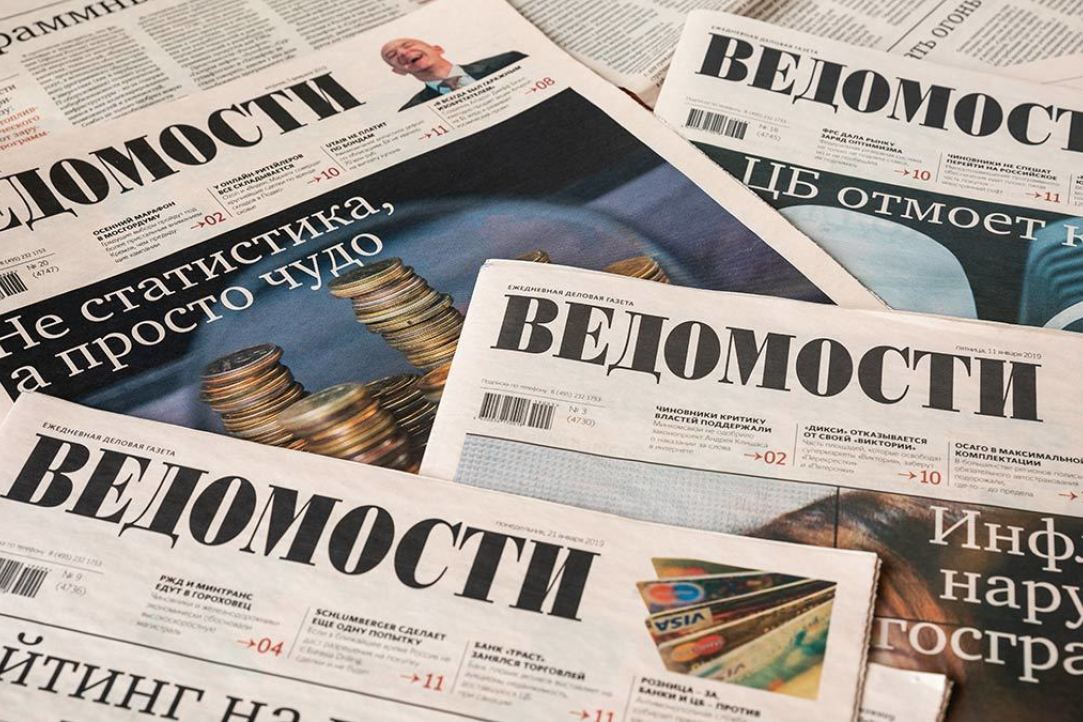
Vedomosti Becomes Industrial Partner of the HSE Institute of Media
HSE University and the business daily Vedomosti (Business News Media JSC) have signed a cooperation agreement within the framework of the Contemporary Journalism Master's programme. Students from the HSE Institute of Media will complete internships in the editorial office of Vedomosti. They will also study ‘Business Journalism Formats’, a course which will help consolidate their knowledge on the genres and formats of modern economic media.
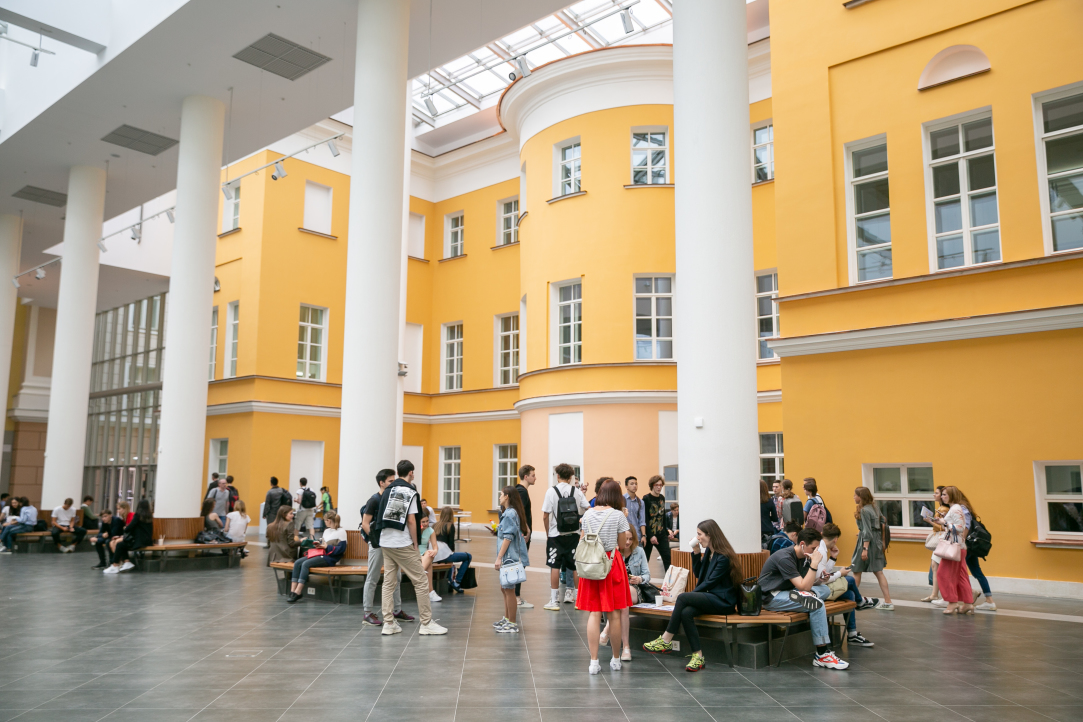
HSE University and National Media Group Sign Cooperation Agreement
HSE University and National Media Group—Russia’s largest private media holding—have agreed to jointly implement the Master’s in Media Management run by the university’s Institute of Media. The collaboration involves the joint development of courses for the Master’s programme and the provision of internships for students.

American Professor Speaks with HSE Students Online about Media Imperialism
American professor Oliver Boyd-Barrett, author of the book Media Imperialism, one of the biggest studies of the contemporary media landscape, is among the international teachers recruited to deliver remote instruction at HSE University this year. His research interests include media, propaganda and international news agencies.
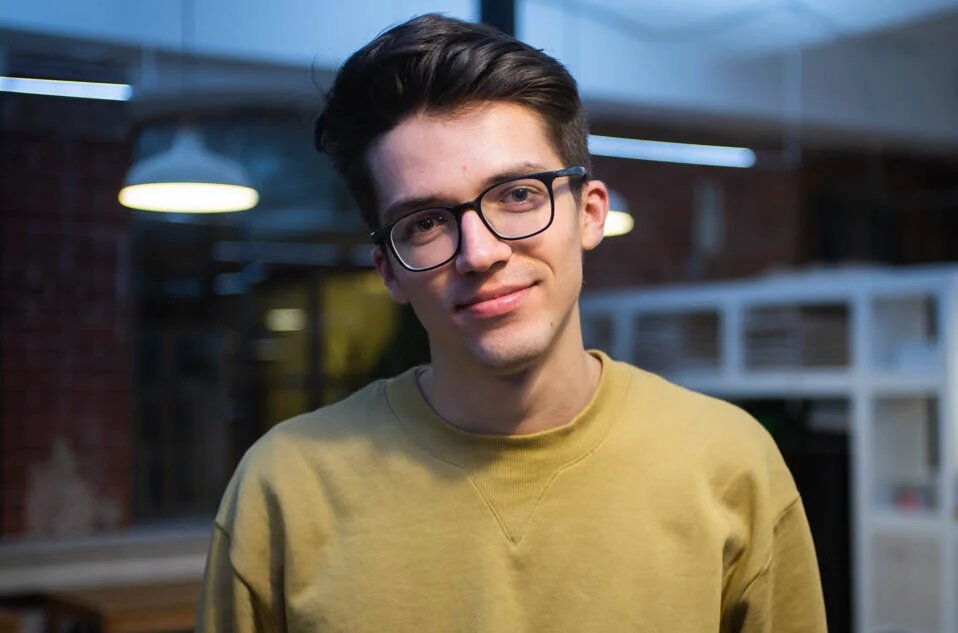
«The Olympiad is a good chance to understand what you need». The winner of the last year competition shares his experience and gives some useful tips
Dmitry Muraviev is a student of the Critical Media Studies Master’s Programme. One year ago he achieved the highest score in the HSE Olympiad «Highest League». Now Dmitry is ready to share a couple of lifehacks considering the preparation for those who would like to participate in the 2021 competition.
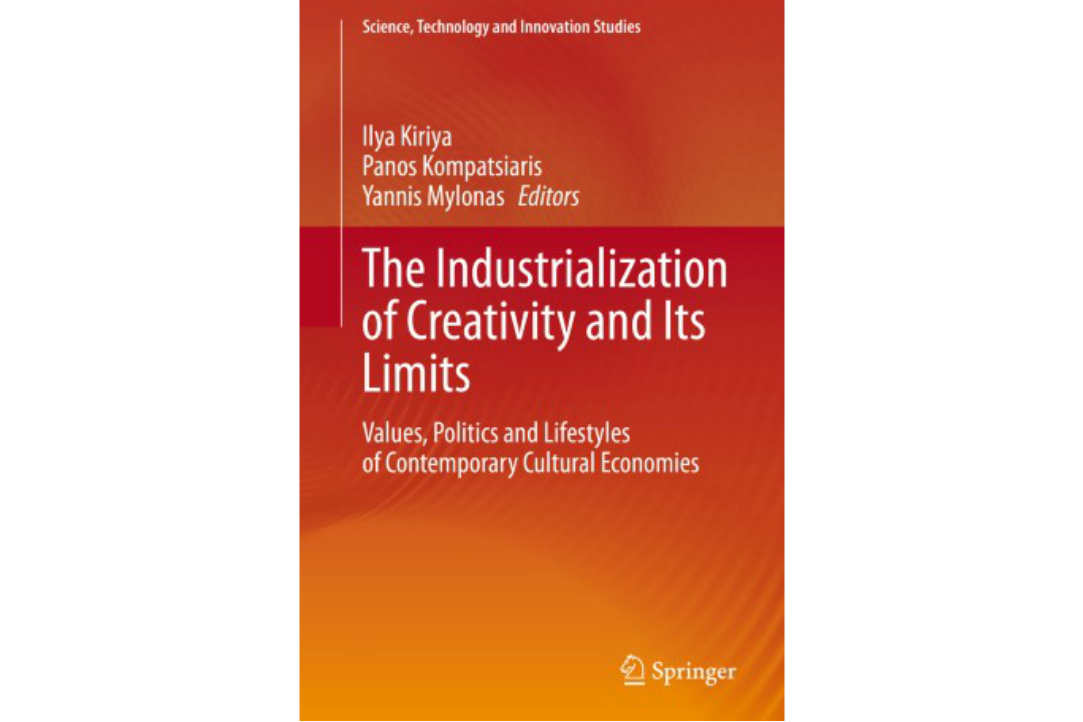
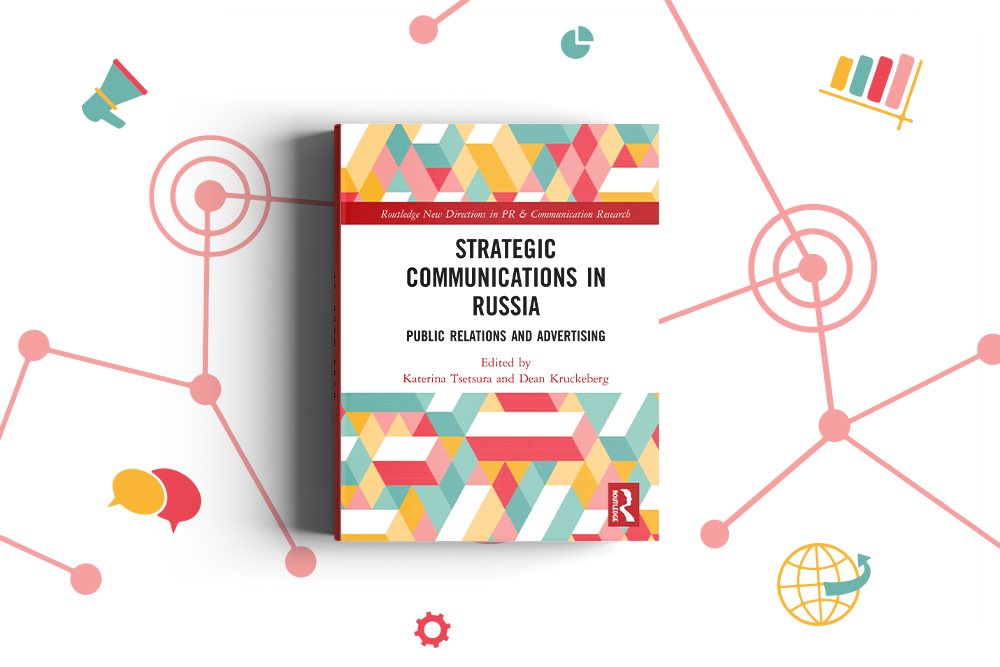
Strategic communications in Russia: a book with articles by the lecturers of the Department of Integrated Communications has been published.
In September 2020, the American publishing house Taylor and Francis published a book “Strategic Communications in Russia: Public Relations and Advertising”, which was co-authored by the lecturers at the Department of Integrated Communications.