Leading HSE University Scientists to Receive Grants from Ideas Research Centre for Neuroscience Research
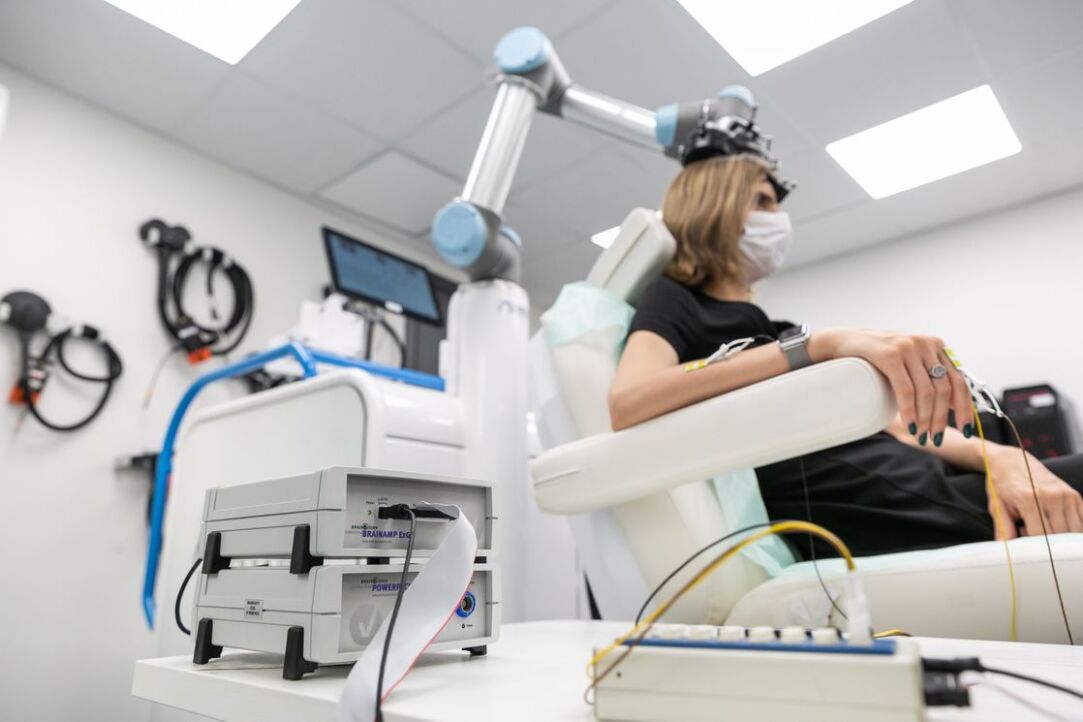
The Ideas Centre for Advanced Interdisciplinary Research has announced the results of its 2023 competition. Five leading neuroscientists will receive grants to open graduate positions for early-career researchers who want to work on solutions to fundamental problems in this area. Three of the competition winners are scientists from HSE University: Matteo Feurra (HSE University in Moscow), Anastasia Kolmogorova (HSE University in St Petersburg), and Sofia Kulikova (HSE University in Perm).

Foreign Languages Slow Down Brain Ageing
Medical advances are causing a gradual increase in average life expectancy. However, this comes at a price, as the number of cases of dementia and other neurodegenerative diseases grows with age. Researchers from HSE University (Russia) and Northumbria University (UK) have found that bilingualism can slow down and mitigate the course of age-related changes in the human brain. The study was published in Frontiers in Psychology.

Mine or Ours: The Brain’s Choice
Researchers from HSE University have shown how the brain works differently depending on whether a subject is dealing with common (shared) or private natural resources. The ventral striatum—the so-called pleasure centre—plays a significant role in this process. The study has been published by Social Cognitive and Affective Neuroscience.
Congratulations to our colleagues with another publication in Scientific Reports!
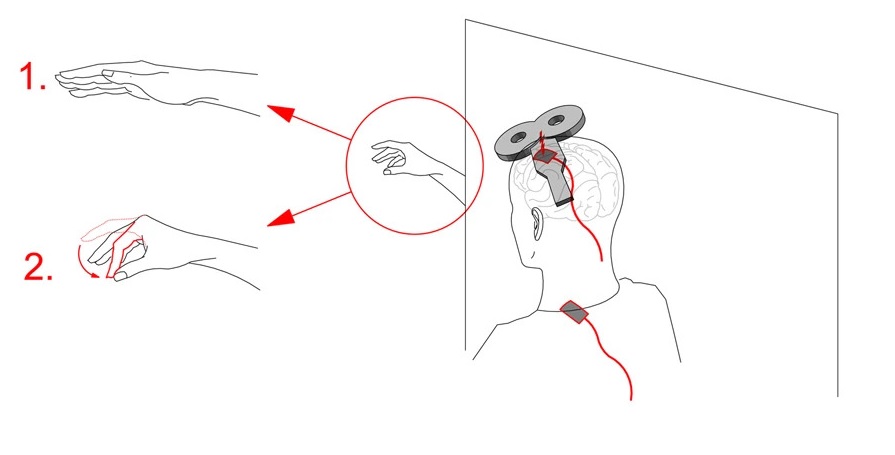
Researchers at the HSE Institute for Cognitive Neurosciences have studied how transcranial alternating current stimulation (tACS) affects the primary motor cortex during and after stimulation. Scientists have shown that tACS affects the cortex only during online use (during stimulation). The article was published in Scientific Reports.
Researchers Expand the Capabilities of Magnetoencephalography
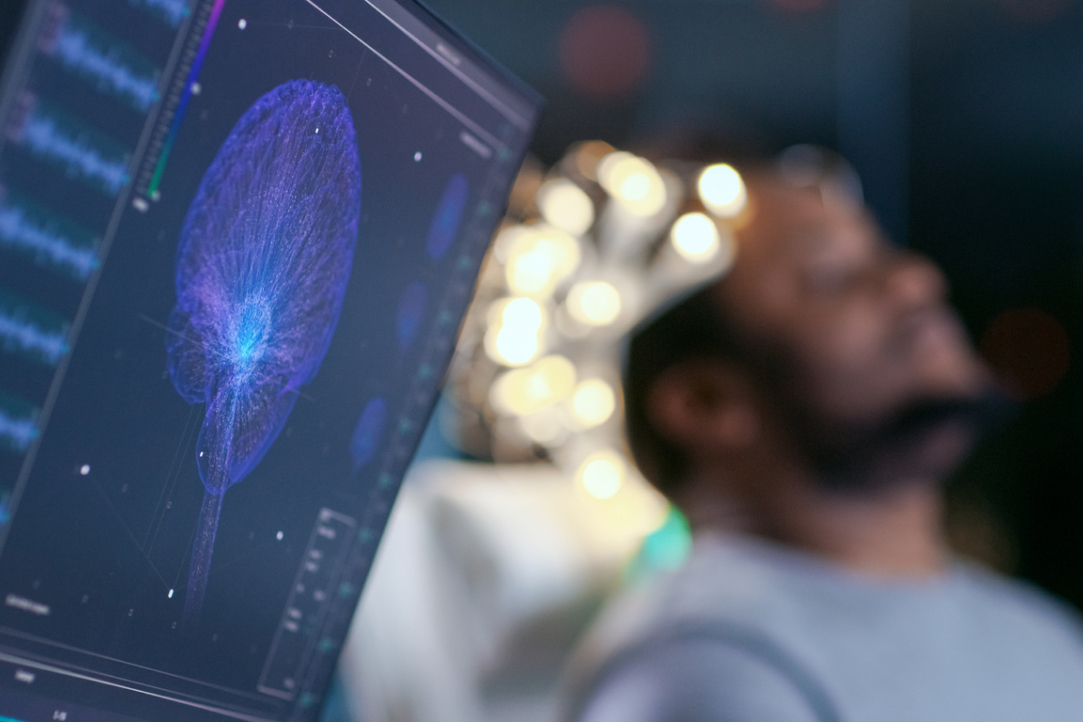
Researchers from the HSE Institute for Cognitive Neuroscience have proposed a new method to process magnetoencephalography (MEG) data, which helps find cortical activation areas with higher precision. The method can be used in both basic research and clinical practice to diagnose a wide range of neurological disorders and to prepare patients for brain surgery. The paper describing the algorithm was published in the journal NeuroImage.
Heart and Brain
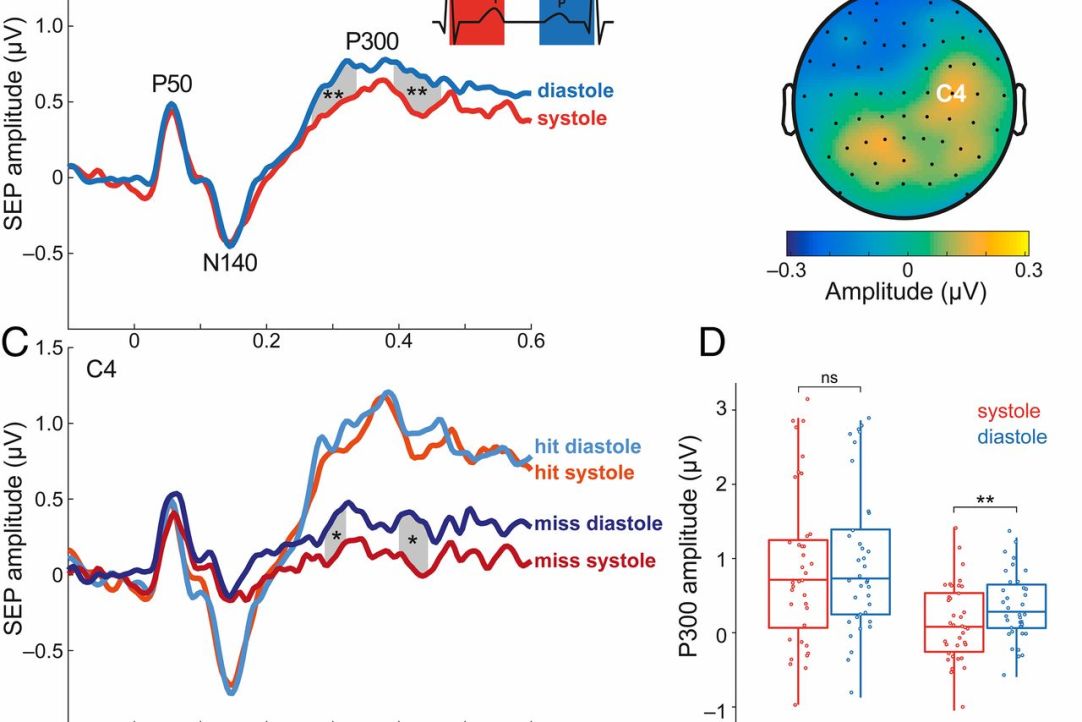
Finally, our study has been published on intricate relationship between heart
and brain.
European Universities to Help Shape Continuous Master’s/PhD Track at HSE
In the 2020-2021 academic year, students of the HSE Master's Programme ‘Cognitive Sciences and Technologies: from Neuron to Cognition’ will be able to additionally apply for a continuous Master’s/PhD track. Studying in a single programme, they will participate in the international project iBRAIN, organized by leading European universities.
Two HSE Projects Win ‘Mega-Grant’ Competition
A ‘Mega-Grant’ Competition for ground-breaking research projects funded by the Russian Ministry of Science and Higher Education was held for the seventh time, and this year’s competition winners included two projects that will be based at HSE University campuses. One research group will study dynamic systems at HSE – Nizhny Novgorod, and a new social neurobiology laboratory will begin work at HSE University in Moscow.
Lectures of Karl Friston in Moscow
September 23-26, HSE University and Moscow State University of Psychology and Education will host lectures by KARL FRISTON, an outstanding British neuroscientist, scientific director of the Laboratory for Functional Neuroimaging at University College London