

Leading HSE University Scientists to Receive Grants from Ideas Research Centre for Neuroscience Research
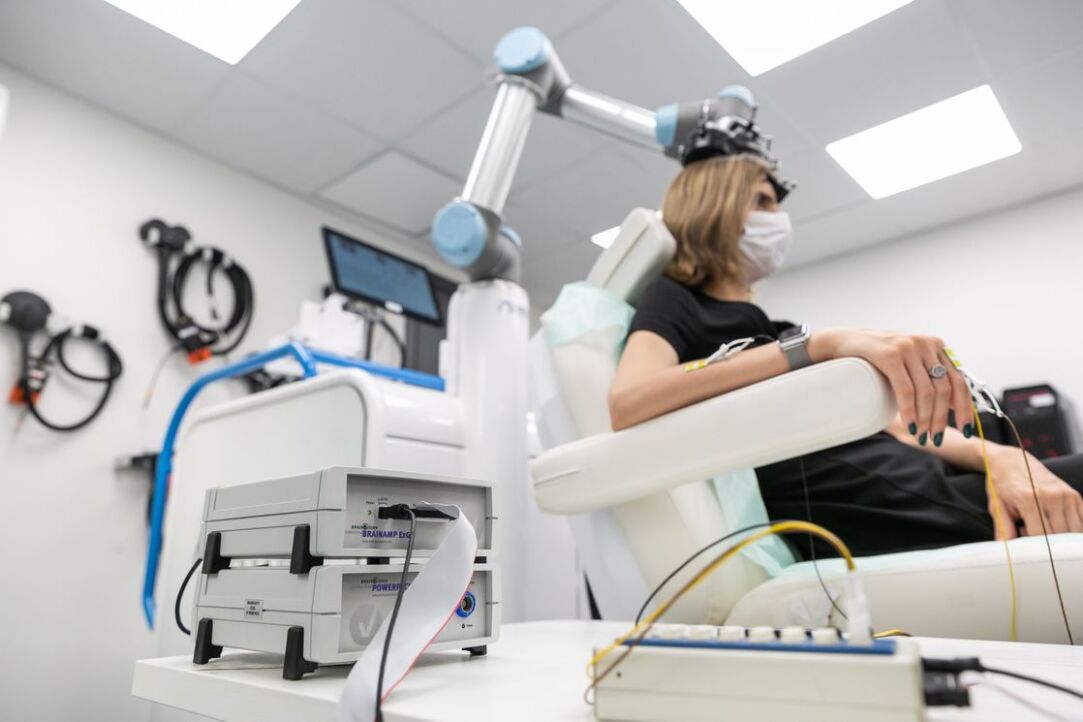
The Ideas Centre for Advanced Interdisciplinary Research has announced the results of its 2023 competition. Five leading neuroscientists will receive grants to open graduate positions for early-career researchers who want to work on solutions to fundamental problems in this area. Three of the competition winners are scientists from HSE University: Matteo Feurra (HSE University in Moscow), Anastasia Kolmogorova (HSE University in St Petersburg), and Sofia Kulikova (HSE University in Perm).
The competition for postgraduate positions is held annually as part of the long-term, ten-year ‘Brain’ programme of the Ideas Research Centre. Grant assistance will allow young scientists to conduct research under the scientific supervision of the competition winners. The grant allows each winner to attract a promising student capable of demonstrating high-level scientific results, as well as provide an aspiring graduate student with competitive working conditions for an extended period of time. In three years, 29 well-known scientists have passed the rigorous selection process and been named winners. During this time, 112 applications were submitted, including 24 this year.
The Ideas Centre for Advanced Interdisciplinary Research is a non-profit organisation that operates courtesy of voluntary donations. The centre’s mission is to develop science and technology through the creation and use of modern tools to support research and development. Its priority scientific direction is research in the field of neuroscience. Priority technology areas include blockchain, artificial intelligence, and virtual and augmented reality.
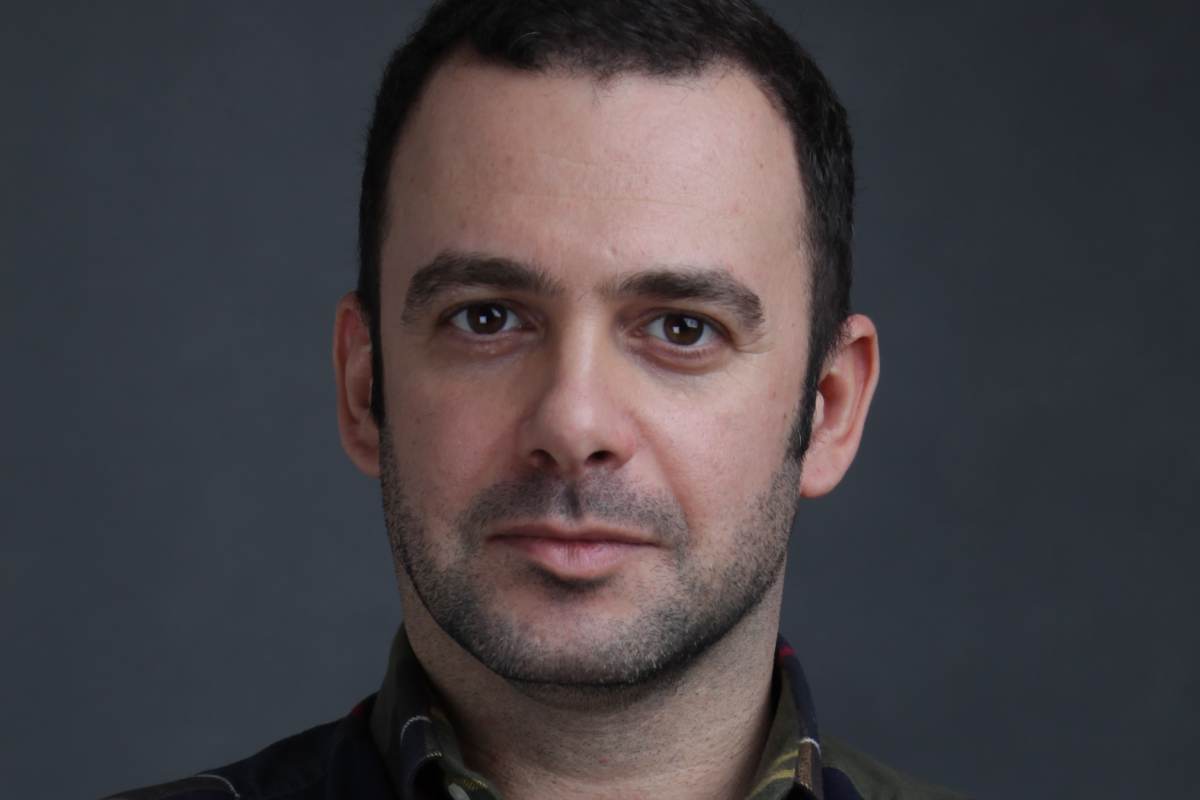
Matteo Feurra, Associate Professor at the Institute for Cognitive Neuroscience at HSE University in Moscow, head of the Motor Control Group at the HSE University Centre for Cognition and Decision Making
My research interests span various areas of cognitive neuroscience, with a particular focus on the sensorimotor system and memory processes. I specialise in the application of non-invasive brain stimulation techniques such as Transcranial Magnetic Stimulation (TMS) and Transcranial Electrical Stimulation (TES), including Transcranial Alternating Current Stimulation (tACS). As one of the pioneers in the field of tACS, I have contributed to advancing this novel technique with promising applications. Collaborating with national and international researchers, I have gained valuable insights into brain functions and have contributed to the development of innovative strategies for cognitive rehabilitation.
In addition to my research, I am dedicated to teaching and mentorship. At the Institute for Cognitive Neuroscience, I teach courses on Cognitive Neuroscience and Advanced Neuroimaging Techniques to master's students. I am also actively involved in mentoring undergraduate, postgraduate, and PhD students, fostering their growth in the field. The Institute for Cognitive Neuroscience at HSE provides an exceptional research environment and access to state-of-the-art methods, which greatly support my research endeavours.
I am thrilled to have secured a grant for our groundbreaking project on motor planning and kinematics!
Our research aims to unravel the mysteries of how the brain coordinates movements using cutting-edge techniques like transcranial magnetic stimulation (TMS). The grant will fund a talented PhD student who will delve into this fascinating field
With the funding, we'll investigate the neural underpinnings of motor planning and explore the potential for developing portable motor tracking devices. Imagine real-time feedback on your motor performance, assisting in rehabilitation, sports training, and aiding individuals with motor impairments in their daily lives.
Our PhD student will collaborate with top experts, present findings at prestigious conferences, and publish research papers, contributing to the scientific community's knowledge. This grant propels us toward our goal of revolutionising motor control research and enhancing human motor capabilities.
Together, we're shaping the future of neuroscience and transforming how we understand and optimise our movement abilities
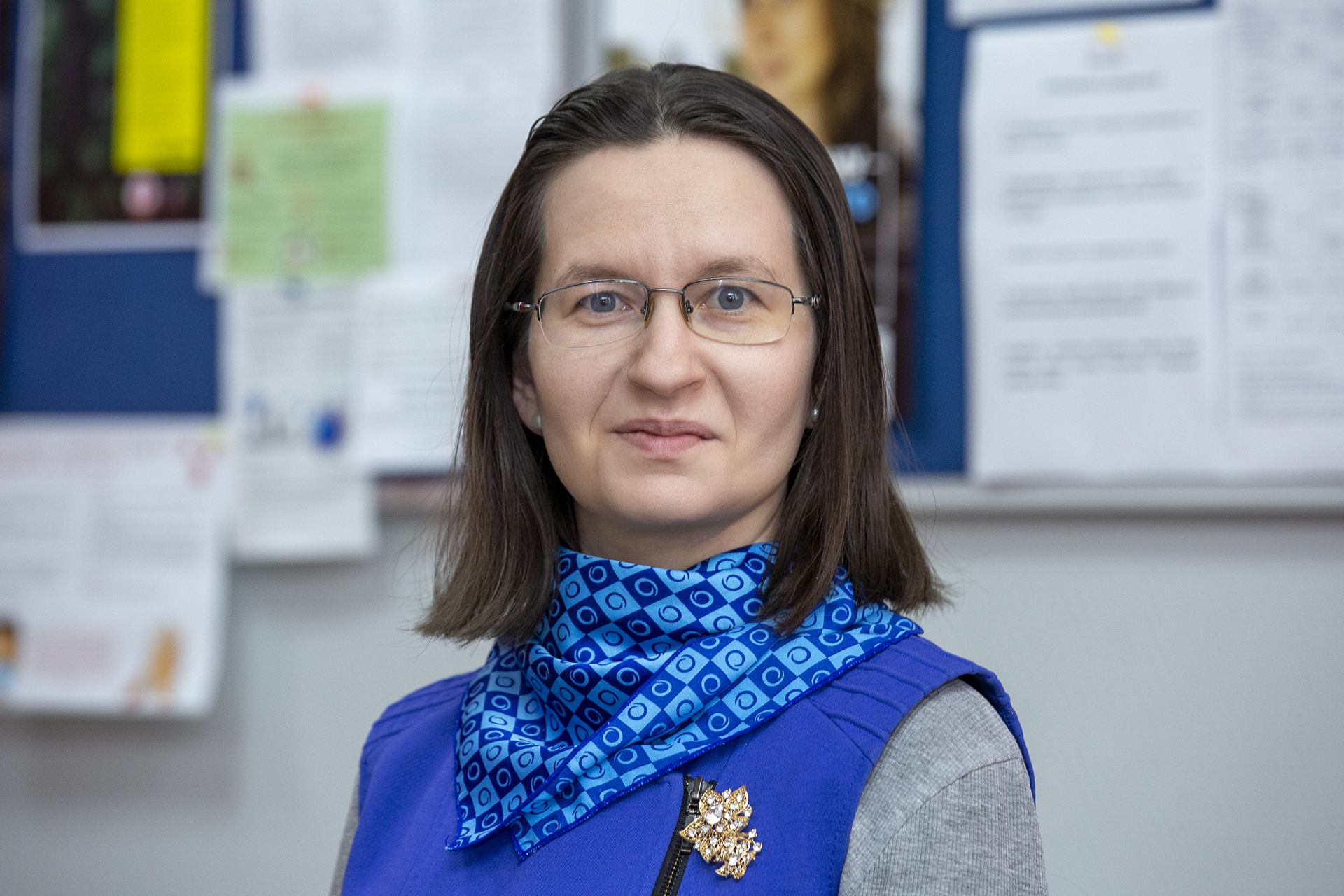
Sofia Kulikova, Senior Research Fellow, Centre for Cognitive Neuroscience, HSE University in Perm
— It is no secret that a successful PhD thesis has several components: the personal qualities of the graduate student, the work of their supervisor, and a relevant, significant research topic. But do not forget that no matter how enthusiastic a graduate student is, no matter how exciting the topic of their research is, researchers still have their daily needs. It is important that graduate students have decent financial support that allows them to devote themselves entirely to scientific work.
This grant will ensure a decent salary for a postgraduate student who will be employed at the Centre for Cognitive Neuroscience at HSE University in Perm for the entire period of postgraduate studies—three years starting from autumn 2024. Thus, we already have three of the four dissertation components: a supervisor (me), an interesting and important research topic (‘Determining the structural and functional correlates of time discounting’), and financial support for the work of the graduate student.
The graduate student will have to figure out why our brain prefers a smaller, but momentary reward to a larger one, but deferred in time
Using various functional and structural approaches, such as EEG and MRI, we will try to distinguish between a brain that is ‘ready to wait’ and an ‘impulsive’ brain that is ‘easily tempted’.
According to the conditions of the Ideas Research Centre competition, during the year we must select a candidate who will be ready to work on their dissertation within the framework of this project. Applicants for this position must graduate from a master’s programme in 2024 and successfully pass the entrance examinations to HSE University’s graduate school and an interview with me as their future academic supervisor.
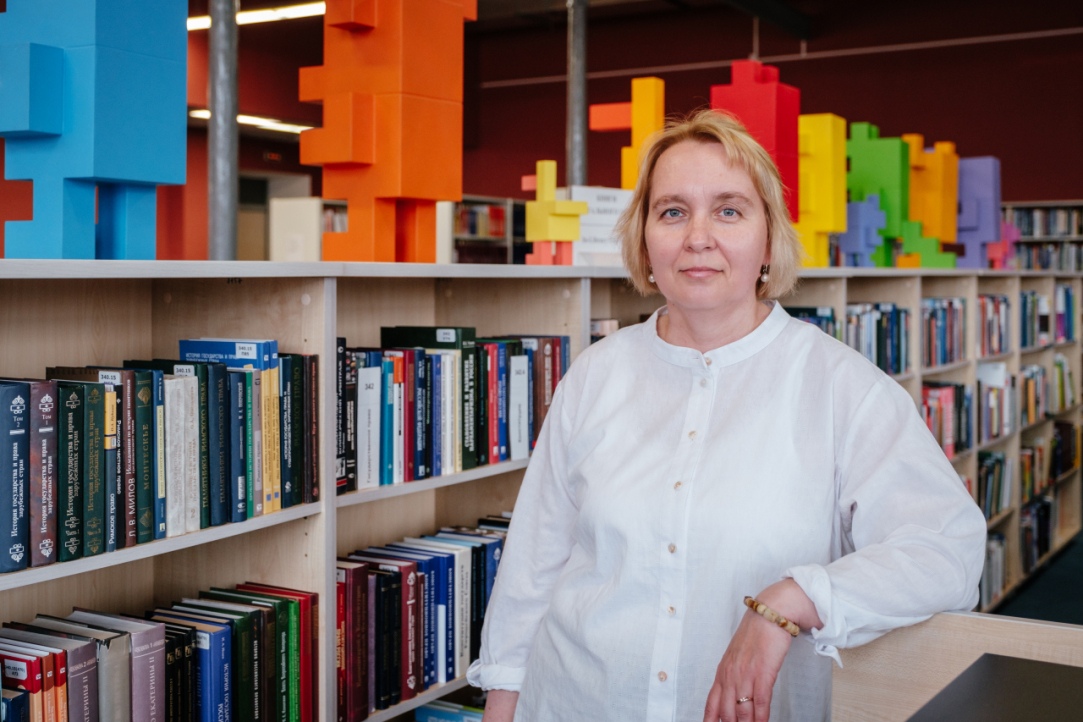
Anastasia Kolmogorova, professor at the School of Arts and Humanities, HSE University in St Petersburg
— The title of our project is ‘Oculomotor Correlates of Cognitive Processing of Emotional Texts in a Non-Native Language in Turkic-Russian Bilinguals’.
Our team has long been engaged in two topics: the specifics of the language ability of Turkic-Russian bilinguals and the perception of emotions in text data. In this application, we decided to combine them.
Previous studies have been related to the measurement of psycholinguistic parameters of Russian and Tuvan words in Tuvan-Russian bilinguals. In addition, we analyse how certain emotions are manifested in speakers through facial expressions, voice, and words and how large language models capture these manifestations; we create interfaces for labelling data on emotions.
The hypothesis that we will be testing as part of the grant was suggested by one of the pilot experiments: there were short texts on VK, where it was proposed to evaluate what kind of emotion was expressed and how strongly it was expressed. At first, people who speak only Russian participated, and then Tuva-Russian bilinguals. The scores differed significantly. For example, bilinguals did not find any emotions of shame in those texts that native Russian speakers rated as shameful.
We decided to continue the same experiment by expanding the cohort of study participants: we will take not only Tuva-Russian bilinguals, but also speakers of other Turkic languages of South Siberia
We will also apply the eye-tracking technology to observe the movement of the eyes of bilinguals when reading and evaluating emotional texts. This will allow us to understand what words such informants rely on when they decide on an emotion in the text. Further on, with the help of machine learning, we want to identify some typical strategies for such behaviour.
See also:

HSE Researchers Discover Simple and Reliable Way to Understand How People Perceive Taste
A team of scientists from the HSE Centre for Cognition & Decision Making has studied how food flavours affect brain activity, facial muscles, and emotions. Using near-infrared spectroscopy (fNIRS), they demonstrated that pleasant food activates brain areas associated with positive emotions, while neutral food stimulates regions linked to negative emotions and avoidance. This approach offers a simpler way to predict the market success of products and study eating disorders. The study was published in the journal Food Quality and Preference.
HSE Researchers Develop Python Library for Analysing Eye Movements
A research team at HSE University has developed EyeFeatures, a Python library for analysing and modelling eye movement data. This tool is designed to simplify the work of scientists and developers by enabling them to efficiently process complex data and create predictive models.
HSE Neurolinguists Create Russian Adaptation of Classic Verbal Memory Test
Researchers at the HSE Centre for Language and Brain and Psychiatric Hospital No. 1 Named after N.A. Alexeev have developed a Russian-language adaptation of the Rey Auditory Verbal Learning Test. This classic neuropsychological test evaluates various aspects of auditory verbal memory in adults and is widely used in both clinical diagnostics and research. The study findings have been published in The Clinical Neuropsychologist.
New Science: How Early-Career Researchers Reach New Heights
In the context of increasing global competition, countries arestriving to ensure technological sovereignty. Those who can ensure economic development and concentrate intangible assets and human capital are emerging as leaders. The growing demand for qualified staff leads to an increase in the role of universities and the demand for early-career scientists. The challenges and opportunities for prospective specialists in the scientific community were discussed at the ‘StratPro Platform’ strategic session at HSE University.
Researchers at HSE Centre for Language and Brain Reveal Key Factors Determining Language Recovery in Patients After Brain Tumour Resection
Alina Minnigulova and Maria Khudyakova at the HSE Centre for Language and Brain have presented the latest research findings on the linguistic and neural mechanisms of language impairments and their progression in patients following neurosurgery. The scientists shared insights gained from over five years of research on the dynamics of language impairment and recovery.
Neuroscientists Reveal Anna Karenina Principle in Brain's Response to Persuasion
A team of researchers at HSE University investigated the neural mechanisms involved in how the brain processes persuasive messages. Using functional MRI, the researchers recorded how the participants' brains reacted to expert arguments about the harmful health effects of sugar consumption. The findings revealed that all unpersuaded individuals' brains responded to the messages in a similar manner, whereas each persuaded individual produced a unique neural response. This suggests that successful persuasive messages influence opinions in a highly individual manner, appearing to find a unique key to each person's brain. The study findings have been published in PNAS.
Five Strategies for the Future: Key Achievements of HSE Strategic Projects in 2024
During the past year, scientists at HSE University have worked on five strategic projects aimed at advancing key areas essential to the development of modern individuals and society. Each of these projects is unique, yet they share common goals: creating innovative product solutions, generating fresh ideas for the economy, social sector, science, and education, and contributing to the university's research potential.
'We Are Creating the Medicine of the Future'
Dr Gerwin Schalk is a professor at Fudan University in Shanghai and a partner of the HSE Centre for Language and Brain within the framework of the strategic project 'Human Brain Resilience.' Dr Schalk is known as the creator of BCI2000, a non-commercial general-purpose brain-computer interface system. In this interview, he discusses modern neural interfaces, methods for post-stroke rehabilitation, a novel approach to neurosurgery, and shares his vision for the future of neurotechnology.
Humans, Bots, and Digital Twins: Year-End Results of the Strategic Project 'Human Brain Resilience'
HSE University hosted a joint research seminar to review the 2024 results of the Strategic Project 'Human Brain Resilience: Neurocognitive Technologies for Adaptation, Learning, Development and Rehabilitation in a Changing Environment.' The event showcased the progress and outcomes of fundamental and applied projects focused on developing technologies for neurodiagnostics, neuroadaptation, and neurorehabilitation—collectively known as 3N technologies. The objective is to develop tools that can help prevent neurogenic and psychiatric disorders or alleviate their consequences.
HSE and Integration Education Centre to Develop New Programmes for Agrobiotech Advancement
HSE University and ANO Integration plan to jointly develop projects aimed at creating new approaches to education and advancing innovative agrobiotechnologies. The parties signed the corresponding agreement at the XI Congress ‘Innovative Practice: Science Plus Business.’