EN

Tag "Young Scientists of HSE University"

‘I Like Self-Fulfilling Prophecies’

‘I Like Self-Fulfilling Prophecies’
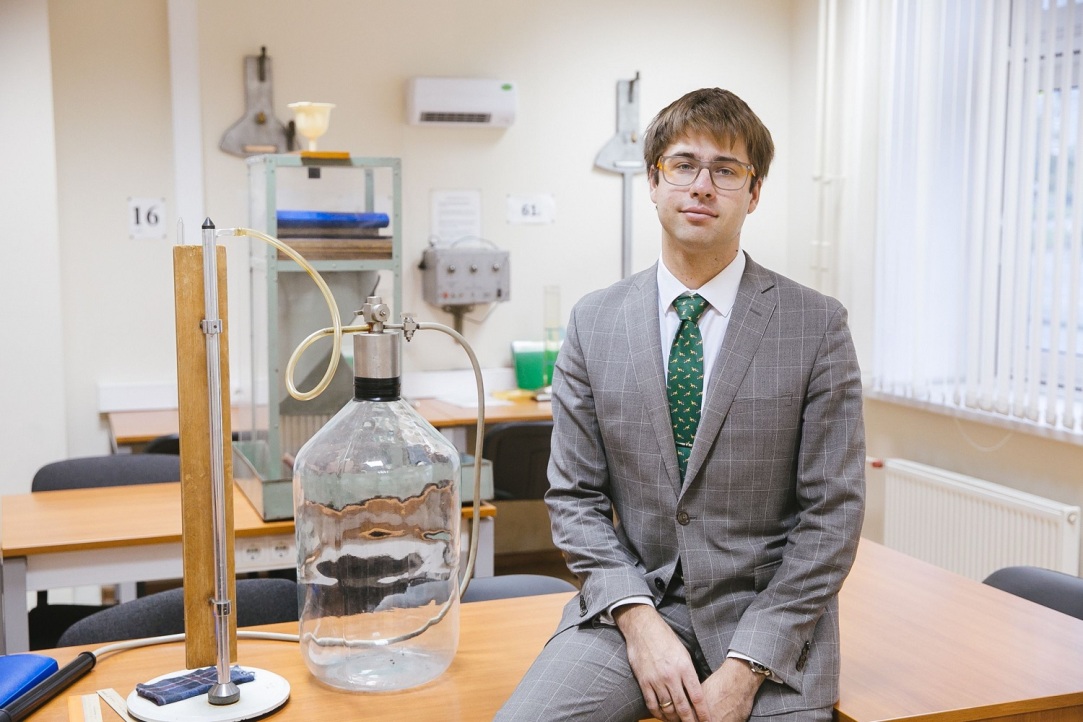
Andrey Vorchik studies happiness, delivers popular science lectures, and believes that science should address social issues as well. In an interview for the Young Scientists of HSE University project, he spoke about how emotions influence decision-making, the Bermuda Triangle formed by the bathroom, refrigerator, and bed, and the ideal formula for education.

'Physics Is What the World Is Literally Built On'

'Physics Is What the World Is Literally Built On'
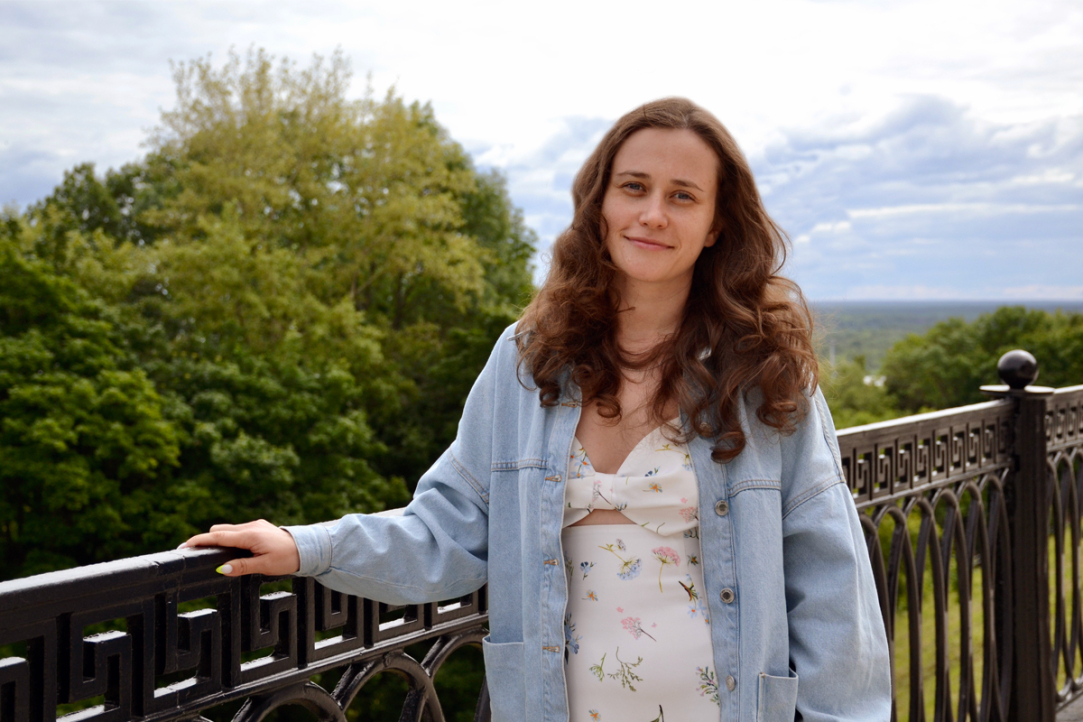
Physicist Nina Dzhanayeva, recipient of a Vladimir Potanin Foundation scholarship, focuses her research on nanophotonics. In this interview for the HSE Young Scientists project, she discusses nanowells, scientific intuition, and how physics can help in making frangipane cream puffs.

'My Goal Is to Become a Tenured Professor'

'My Goal Is to Become a Tenured Professor'
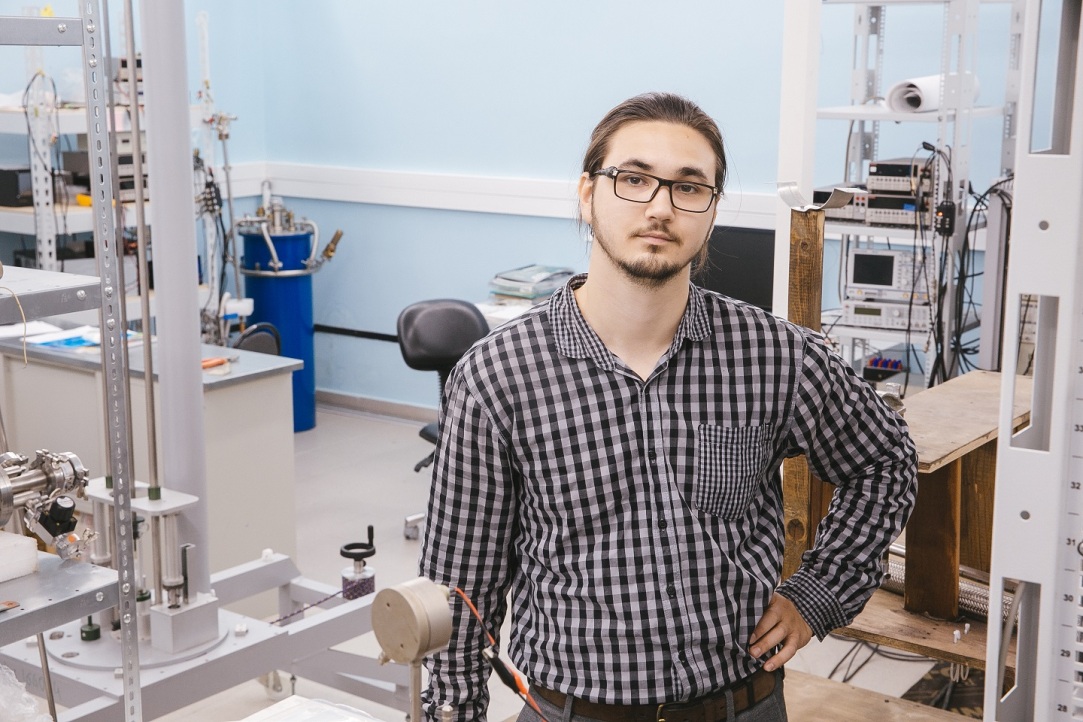
Mikhail Samatov focuses on the theoretical study of perovskite solar cells. In this interview for the HSE Young Scientists project, he talks about working on HSE University’s supercomputer, collaborating with Peking University, and making furniture.

‘In Science, You Are Your Own Boss’

‘In Science, You Are Your Own Boss’
Polina Nasledskova is interested in identifying gaps in linguistics and topics that have been overlooked by other researchers. In an interview for the  Young Scientists of HSE University project, she spoke about rare ordinal numerals in Nakh-Daghestanian languages, the benefits of knitting for concentration, and the beauty of the Patriarshy Bridge.

'I’m Used to Producing Distilled Knowledge'

'I’m Used to Producing Distilled Knowledge'
Ivan Rubachev works in a HSE University laboratory established jointly with Yandex Research, where he focuses on machine learning with tabular data. In this interview with the HSE Young Scientists project, he discusses why following a vibe can be better than goal-setting, explains the concept of the Neural Turing Machine, and argues why withholding scientific knowledge is counterproductive.

‘In the Age of Technology, It Is Interesting to Look into the Past and Think about What We Can Take from It’

‘In the Age of Technology, It Is Interesting to Look into the Past and Think about What We Can Take from It’
Polina Tabakova decided to apply for a Philology degree at HSE in Nizhny Novgorod because she grew up in Mari El and did not want to move far away from the Russian forests. In an interview for the Young Scientists of HSE University project, she spoke about the genre of the campus novel, the existential drama of Kolobok, and a blackout version of Eugene Onegin.