

'The Government and Universities Should Complement One Another in Social Policy'
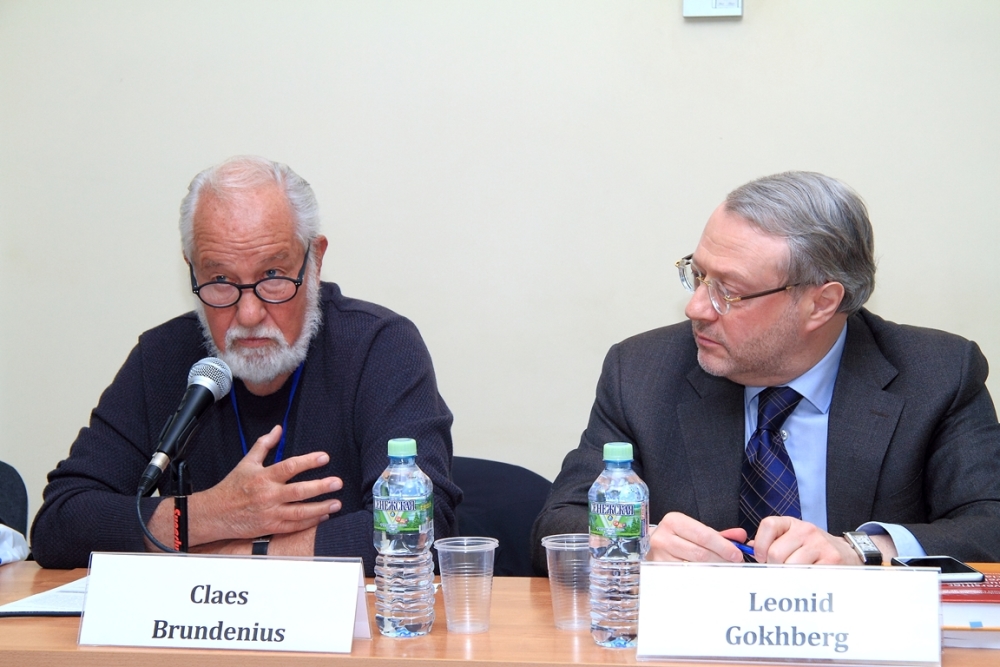
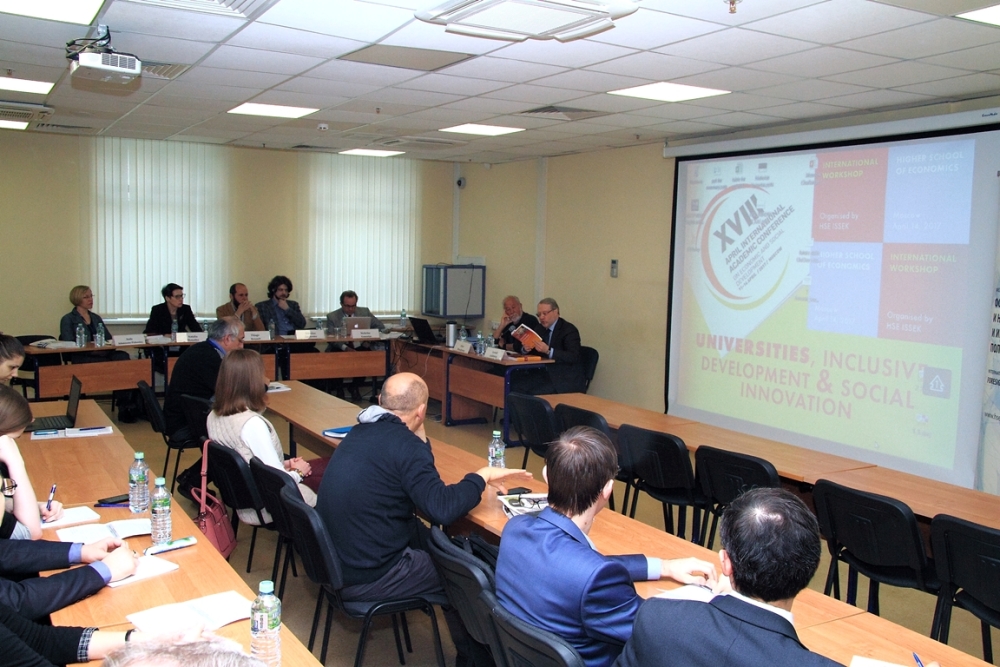
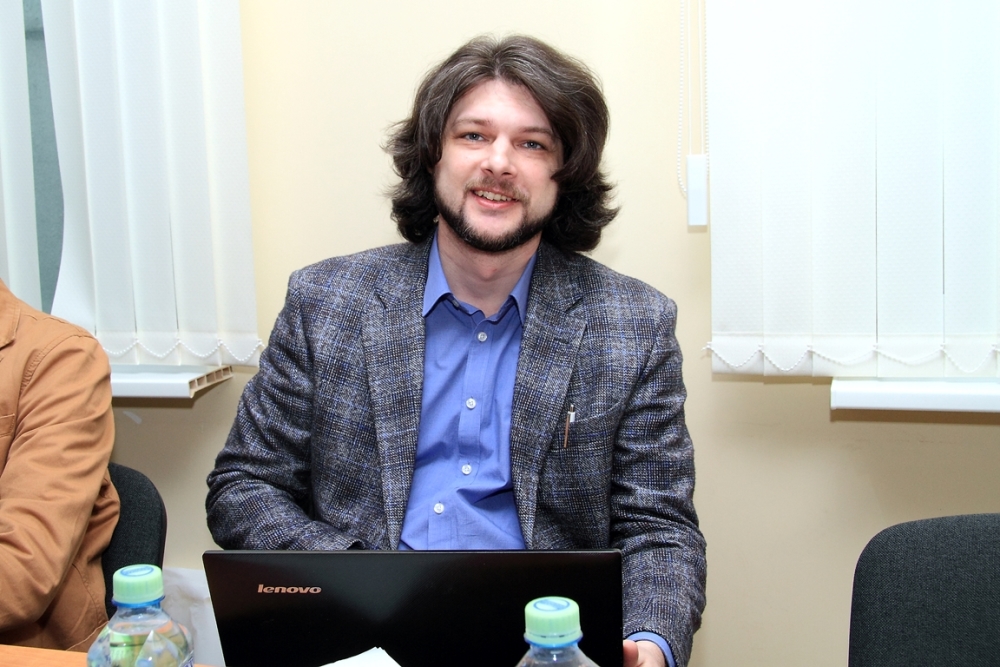
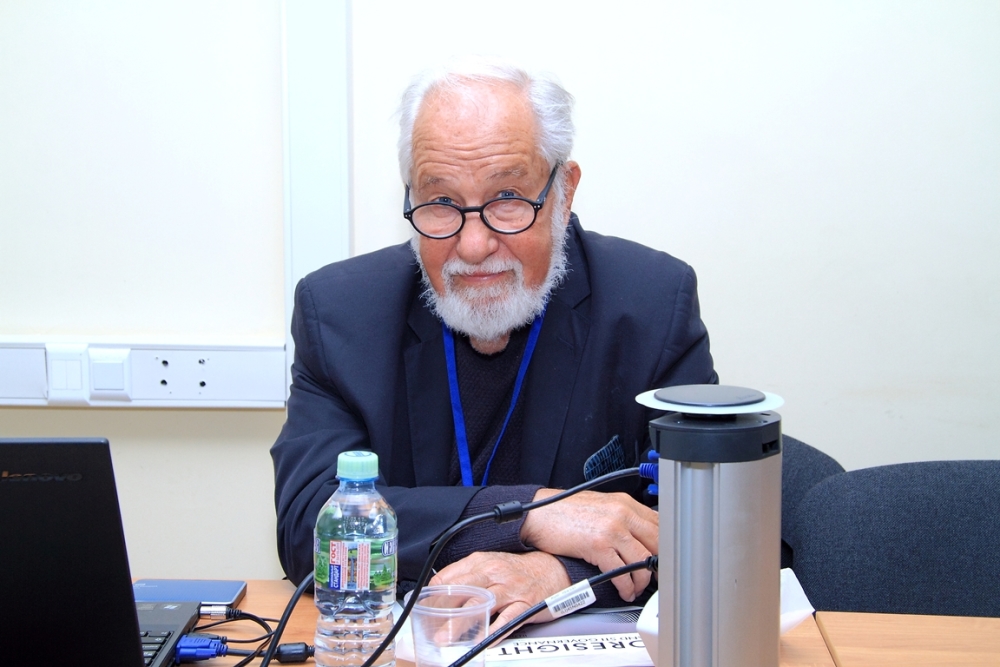




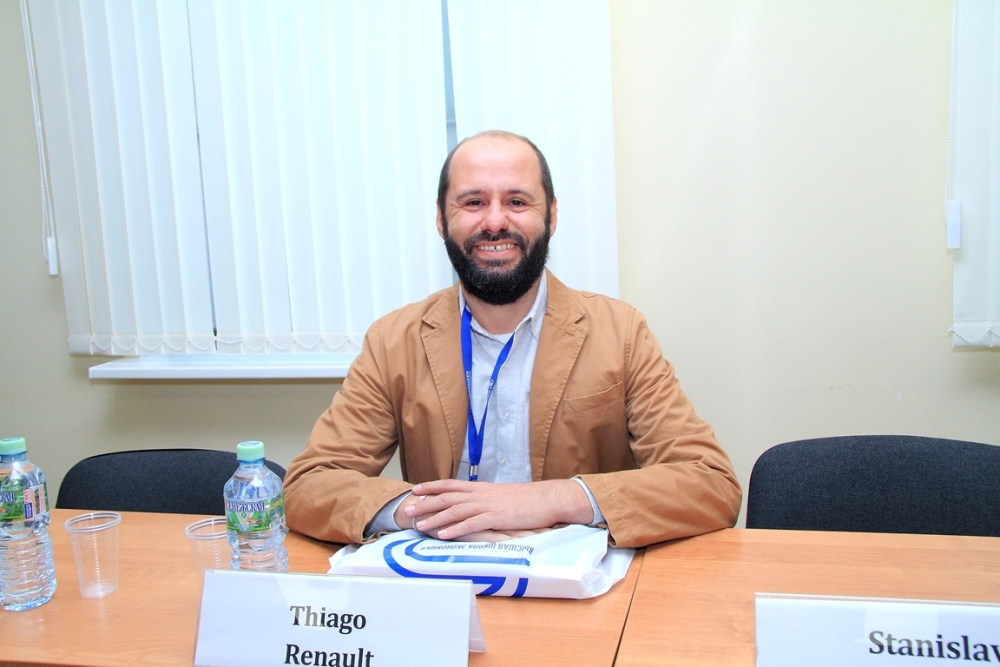
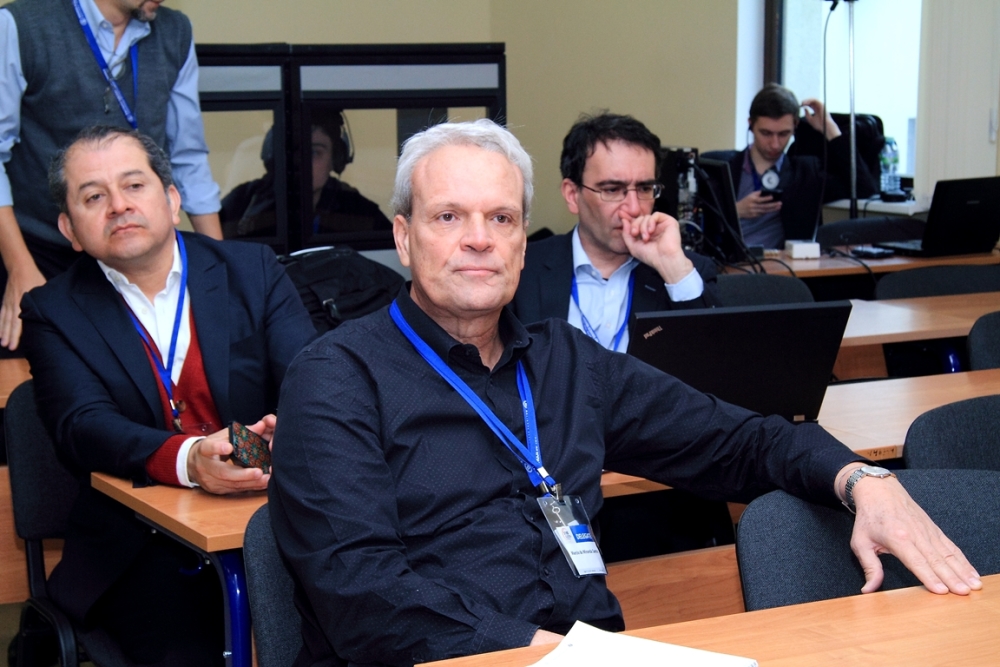
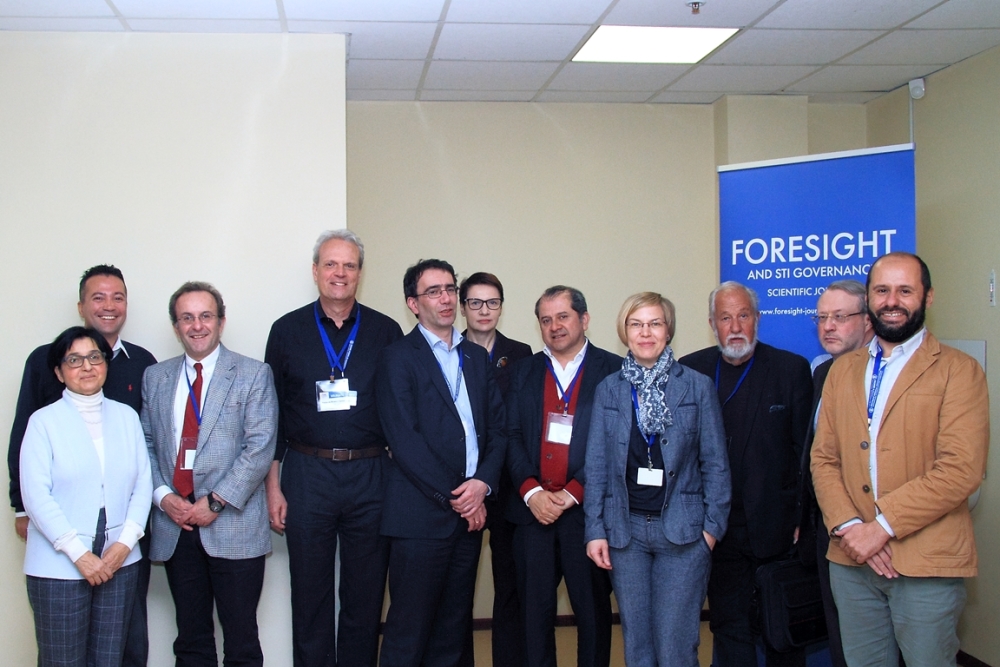
An important area being researched today is the relationship between universities and the government in the formation of socioeconomic policy, and this discussion was raised at the international seminar ‘Universities, Inclusive Development, and Social Innovation’ that took place as part of HSE’s XVIII April International Academic Conference.
From Deprivation to Welfare Pluralism
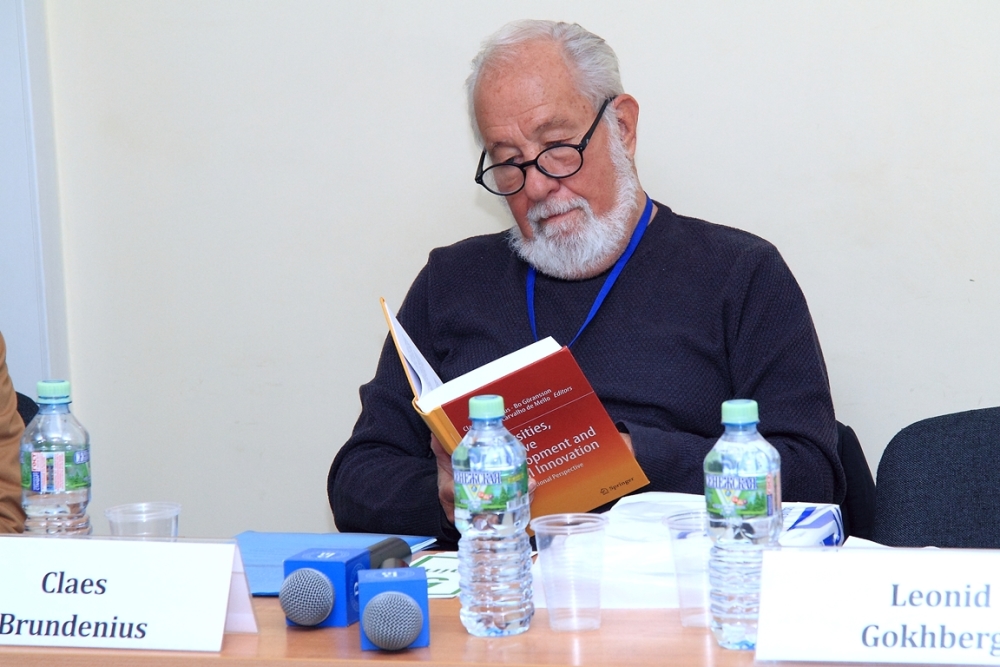
The first speaker at the seminar was Claes Brundenius, who talked about the results of an international research group from Lund University (Sweden) that studies the role of universities in economic and social development. Participants of the group work in South America, Europe, South Africa, Russia, China, and Vietnam.
Professor Brundenius noted that the group was particularly worried about the worsening state of the environment, climate change, and growing inequality in terms of income and wealth. According to the group’s study, in 2016 the richest 1% of the population amassed more wealth than all other population groups in the world. What is more, Russia is number one on the list in terms of overall wealth concentration with 70% of wealth belonging to just 1% of the population. In the U.S., Brazil, South Africa, and Sweden, this gap between the wealthiest part of society and other income groups is also growing.
According to Claes Brundenius, there is now a new social class – the deprived. This includes working individuals who are unsure of what tomorrow will bring and who do not feel protected. In addition, the governments of the world currently face the serious problem of choosing between economic growth and equality. This problem has not been resolved, but several studies show that equality promotes growth. And economic growth, Mr Brundenius said, must be based on social innovation and have an impact on the unprotected, inclusive strata of the population. Additionally, a social entrepreneur has to become the new ‘hero of our times,’ the researcher added.
Professor Brundenius also talked about two possible scenarios for the development of society. The first assumes a drop in the government’s role and an increase in the number of private companies (which is currently taking place in the United States). Under this scenario, a third social sector exists, but it is insignificant in the first scenario. Conversely, the second scenario, called welfare pluralism, sees the important role of government and private capital, though it is the third sector that dominates. This is the preferred variant for a country’s economic growth.
The Role of Universities in Inclusive Development
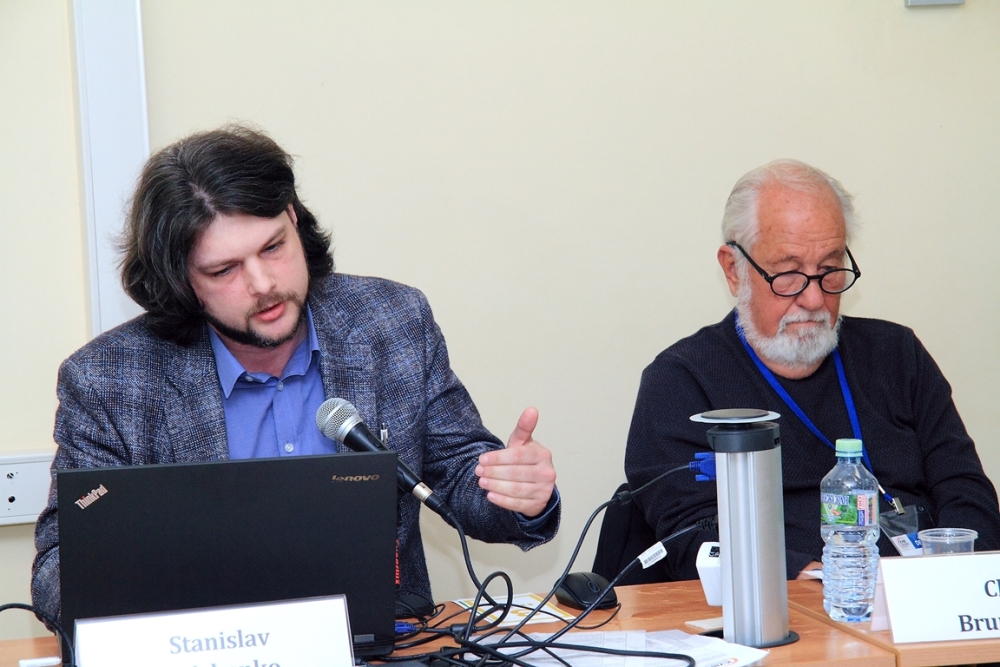
In his paper, ‘Russian Universities as Inclusive Development Participants,’ Senior Research Fellow at the HSE Institute for Statistical Studies and Economics of Knowledge, Stanislav Zaichenko, discussed the key role universities play in forming a social ladder that breaks the social inequality barrier. The vulnerable (inclusive) groups of society include (1) people with disabilities who live in remote regions and have trouble gaining access to common infrastructure, (2) people who find themselves in difficult life situations, (3) victims of natural disasters, and (4) people with low incomes. This inclusive group of society often feels inferior compared to wealthy members of society. What should the government do about this and how can universities help?
First, more opportunities should be created to give people access to technological innovations, particularly internet access and free centres that teach people how to use the internet. Second, a barrier-free environment must be created for the disabled and those with limited mobility. Finally, it is important that the public be provided with individualised and targeted aid. According to the researcher, this is where programmes can be approved at the government level to give people quick access to government services, help them adapt to the urban environment, and more.
The main task of social policy today is to ensure equal opportunity for everyone who wants to get an education. Mr Zaichenko noted, however, that this is easier said than done. The government is currently developing a single set of standards for the individualized instruction of different groups of society. In addition, the government is creating an adapted infrastructure on university campuses, as well as preparing teachers to work with certain groups of society and forming an institution of mentors who will help people adapt to their new environment in the future.
‘In carrying out social policies, the government and universities have to complement one another, and their initiatives should not contradict each other. The competitiveness of universities is currently determined not only by supply and demand on the labour market, but also by having an accessible and comfortable learning environment,’ Zaichenko concluded.
Universities and Business
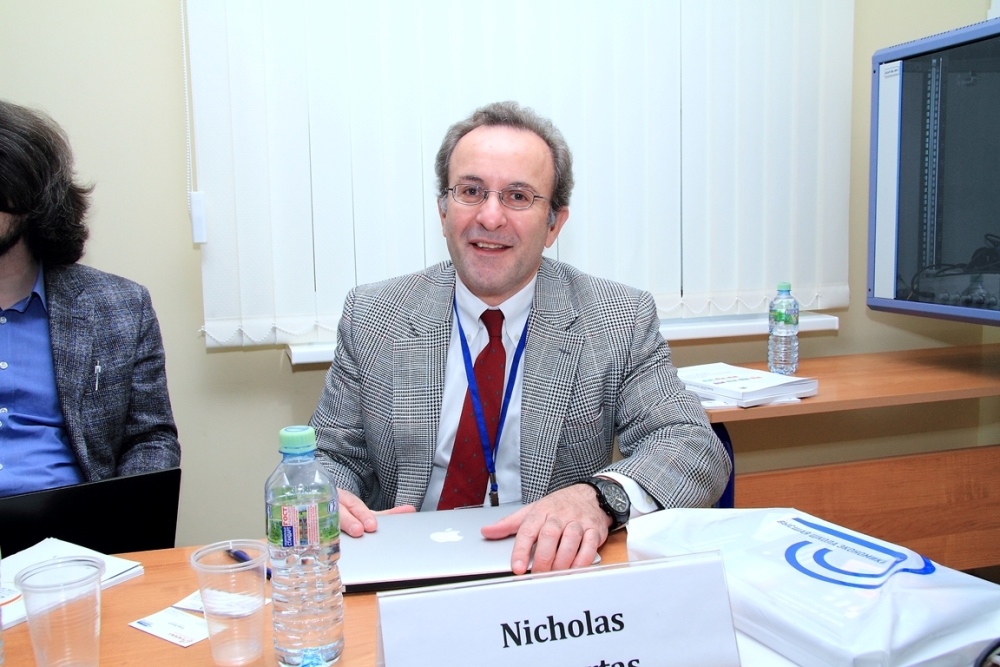
Nicholas Vonortas from George Washington University, in a joint paper called ‘Cooperation Between Universities and Industry: the Results of Research in Brazil,’ discussed the historic role of U.S. universities in helping local society develop the region. This is why American universities have an excellent understanding of the social problems that exist in society, unlike older European universities that have educated an elite that is separate from most of the population.
In a study on several Brazilian universities, in particular the University of São Paulo, researchers looked at the level of the universities’ involvement in the country’s industry. The main idea behind the project is that universities should not only teach, but also help society and business to develop the region in which they are located.
According to Professor Vonortas, the research group had two hypotheses. The first states that if a university cooperates with the private sector (if students and faculty work with businesses), then it is more likely that the university ‘generates’ a new company. This kind of interaction between universities and business creates a type of social capital, Nicholas Vonortas added. But unfortunately at many universities around the world, he noted, there is no culture in terms of universities and business interacting. This hypothesis was also not confirmed at Brazilian universities.
The second hypothesis states that the quality of interaction with businesses is more important than the quantity or intensity of such interaction. This mostly concerns consulting-related interactions where instructors, graduate students, and top undergraduate students advise businesses. This hypothesis also touches upon interactions that take place with business in the form of student internships, as well as student contracts to carry out general research in the private sector. This sort of interaction is more fruitful since it creates a culture that allows for new companies to be founded. This hypothesis was confirmed. The four Brazilian universities involved in the study accounted for 75% of overall business-university interaction in the country.
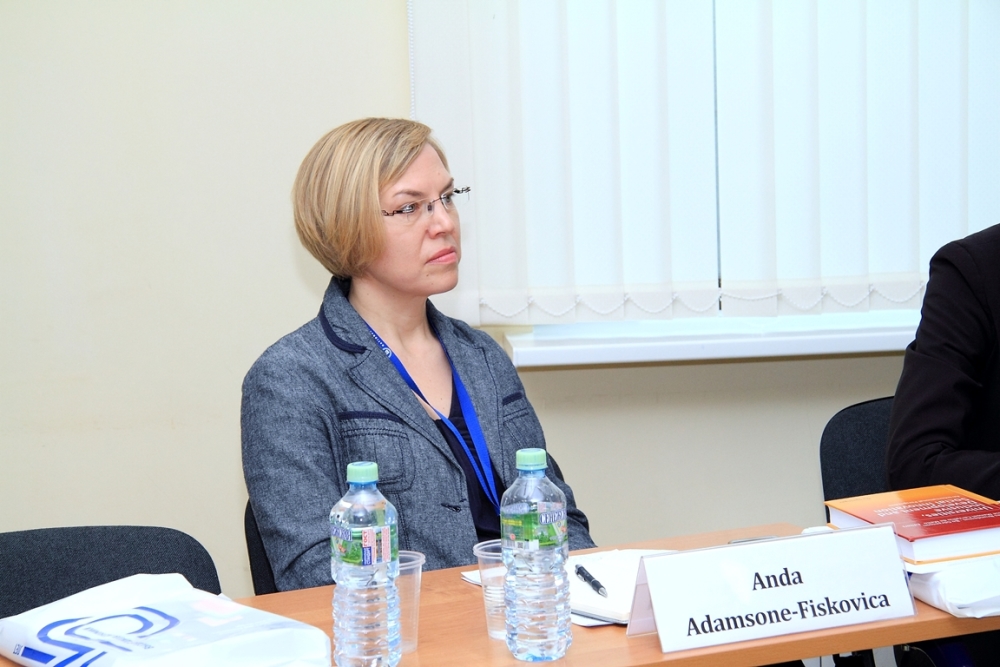
The last paper presented at the seminar was ‘Social Innovation and Social Inclusion at Latvian Universities’ by Anda Adamsone-Fiskovica of the Baltic Studies Centre. She discussed the social prospects of inclusivity at Latvian universities amid the considerable social inequality of the population. Despite the ‘inadequacy’ of higher education financing to meet the objectives that have been set, Latvian universities are successfully carrying out social projects such as the Centre for Legal Practices for unprotected strata of the population, the Distance Learning Centre for individuals serving time in prison, ‘Express Health’ to provide medical care and consultations, and more.
See also:

25th Yasin (April) International Academic Conference Now Accepting Proposals
Reports on new research results will be presented and discussed as part of the conference’s sections. These reports will be selected based on reviews of proposals. As always, the conference programme features expert discussions of the most pressing economic, social, internal and external issues in the format of roundtables and associated events.
Academic Council: HSE University’s Contribution to Achieving National Goals and Development Priorities to Increase
HSE University’s Development Programme until 2030 will be improved in order to increase the university’s contribution to achieving national goals and implementing the priorities of the country’s scientific and technological development. This decision was made by the university’s Academic Council on April 26. The meeting also addressed the principles for the development of HSE University’s external communications, one of which is the creation of a high-quality information field around the university.
Keeping Up with the Neighbours: Envy as a Driver of Economic Growth
Classical economic theory assumes that economic agents are entirely self-interested and rational in their pursuit of material well-being, and that they are not affected by external factors. As a result, externalities are not considered in any way when constructing economic models. Nevertheless, some sociologists argue for a revision of modern economic theory to incorporate the ethical dimensions of economic agents' behaviour. Kirill Borissov, Professor of the Faculty of Economics at the European University in St Petersburg, spoke at the XXIV Yasin (April) International Academic Conference and shared his observations from creating his own economic model incorporating the factor of envy.
Structural Transformation and Drivers of Sustainable Growth in Russian Economy Discussed at HSE University
The Russian economy has demonstrated high resilience to unprecedented external pressure and has managed to largely adapt to new conditions. As early as this year, it can go from recession to growth. The issue of where to find drivers and resources for this was discussed at a plenary session titled ‘Russian Economy under Sanctions: From Adaptation to Sustainable Growth’ at the XXIV Yasin (April) International Academic Conference held at HSE University as part of the Decade of Science and Technology. Minister of Economic Development of the Russian Federation Maksim Reshetnikov took part in the discussion.
‘People Want to Receive Only Useful Content’
Experts say that interest in news has sharply increased among the Russian audience. At the same time, part of the audience deliberately avoids it. What kind of content is in demand and will people continue to watch TV? These and other issues were discussed at the plenary session ‘ Info-hygiene and Information Elitism: How to Consume Media Properly’ at the XXIV Yasin (April) International Academic Conference.
'The Emerging Trends in Africa Will Shape the World Order, and We Need to Be Prepared for That'
Africa has the potential to become a new economic giant. Today, African countries are interested in comprehensive cooperation and strengthening their positions in the global arena, and they look forward to receiving assistance from Russia and China in developing their technology, economy, and social sphere. Effective engagement with Africa requires training a greater number of professional African studies specialists. The XXIV Yasin (April) International Academic Conference at HSE University featured a plenary session on 'Africa in a Changing World'.
Learning a Foreign Language Can Delay the Onset of Dementia
Dementia, a debilitating form of cognitive impairment, can be preventable. According to Professor Jubin Abutalebi of the University Vita Salute San Raffaele, Italy, and the Arctic University of Tromsoe, Norway, the easiest way to prevent cognitive decline after the age of 60 is to learn and practice foreign languages – the more languages, the better, suggests Professor Abutalebi in his presentation 'Preventing dementia through bilingualism' at the XXIV Yasin (April) International Academic Conference.
‘The BRICS Strategic Partnership Offers the World Creative, Unifying, Forward-Looking Initiatives’
Today, BRICS has become an influential factor in modern international relations and is perceived as one of the pillars of a more just world order. This association is not based on one party’s dominance, but instead, is built on a sound balance of interests. The role of the association was discussed by the participants of the plenary session ‘BRICS Development Strategy: Equal Opportunities in an Unequal World’at the XXIV Yasin (April) International Academic Conference.
Sanctions Create New Opportunities for Russian Companies
Like any crisis, the sanctions of 2022, besides problems, have created new opportunities for Russian companies. This is the conclusion that HSE University’s experts have come to. Their study results are presented in the report ‘Adaptation of Russian Industrial Companies to Sanctions: First Steps and Expectations’, prepared by HSE University for the XXIV Yasin (April) International Academic Conference.
Search Query: How to Study Migration with Google Trends
Experts have calculated that the number of international students in Russia has grown six times over the last decade, and researchers say that many of those who are studying today would like to stay in the country. This, alongside issues such as why Google Trends are worth looking into, were covered at the HSE XXIV Yasin International Academic Conference on Economic and Social Development section on demography and labour markets.