EN

Tag "international cooperation"

HSE University Researchers to Speak at the International Congress of Mathematicians

HSE University Researchers to Speak at the International Congress of Mathematicians
The speakers of the International Congress of Mathematicians, a key global mathematics event held every four years by the International Mathematical Union, have been announced. The next ICM will take place in St. Petersburg, Russia, in July 2022. Five researchers from the HSE Faculty of Mathematics will present their papers at the congress.

Scholars Gain New Data on Heavy Exotic Hadrons

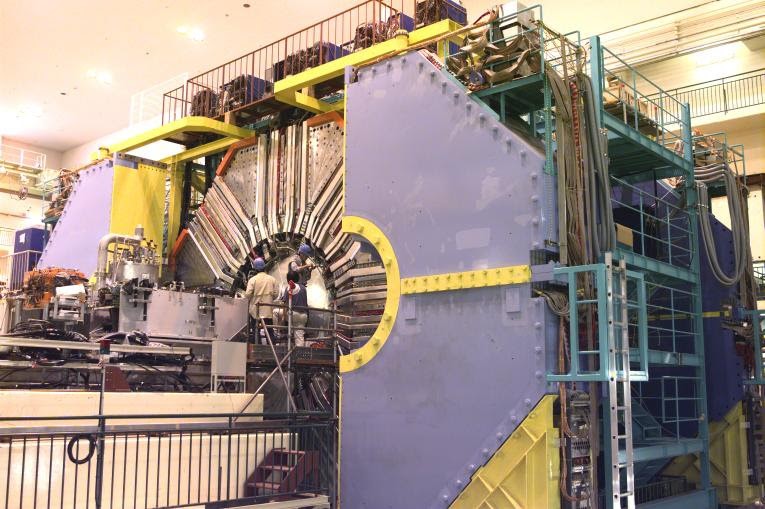
The Belle detector
As part of the Belle experiment, researchers were able to measure the energy dependence of e+e- -> B-anti-B, B-anti-B* and B*-anti-B* reactions in the 10.63 GeV to 11.02 GeV energy range for the first time. The new data will help clarify the nature of the group of exotic Upsilon mesons that have mass in this range. The results of the study were published in the Journal of High Energy Physics.

Researchers Discover How to Obtain ‘Ideal’ 3D Cell Cultures for Cancer Research

Researchers Discover How to Obtain ‘Ideal’ 3D Cell Cultures for Cancer Research
A group of scientists from Hungary, Russia and Finland have developed a system capable of selecting cancer cells of a specific shape and size—spheroids. SpheroidPicker, the first AI device of its kind, enables a more standardized approach to working with tumour samples. The results of the research have been published in the journal Scientific Reports. One of researchers who worked on the project is Nikita Moshkov, Junior Research Fellow of the Laboratory on AI for Computational Biology.

The Fourth ICEF Conference on Applied Economics to Take Place on September 25

The Fourth ICEF Conference on Applied Economics to Take Place on September 25
The Fourth ICEF Conference on Applied Economics will present the studies conducted by scholars at the universities across the world, that relate to education. We talked with Fabian Slonimczyk, an Associate Professor at ICEF and the conference organizing committee member, to learn more about the highlights of this year’s conference.

HSE Rector: Universities Should Create New Educational and Research Products and Expand Human Capital

HSE Rector: Universities Should Create New Educational and Research Products and Expand Human Capital
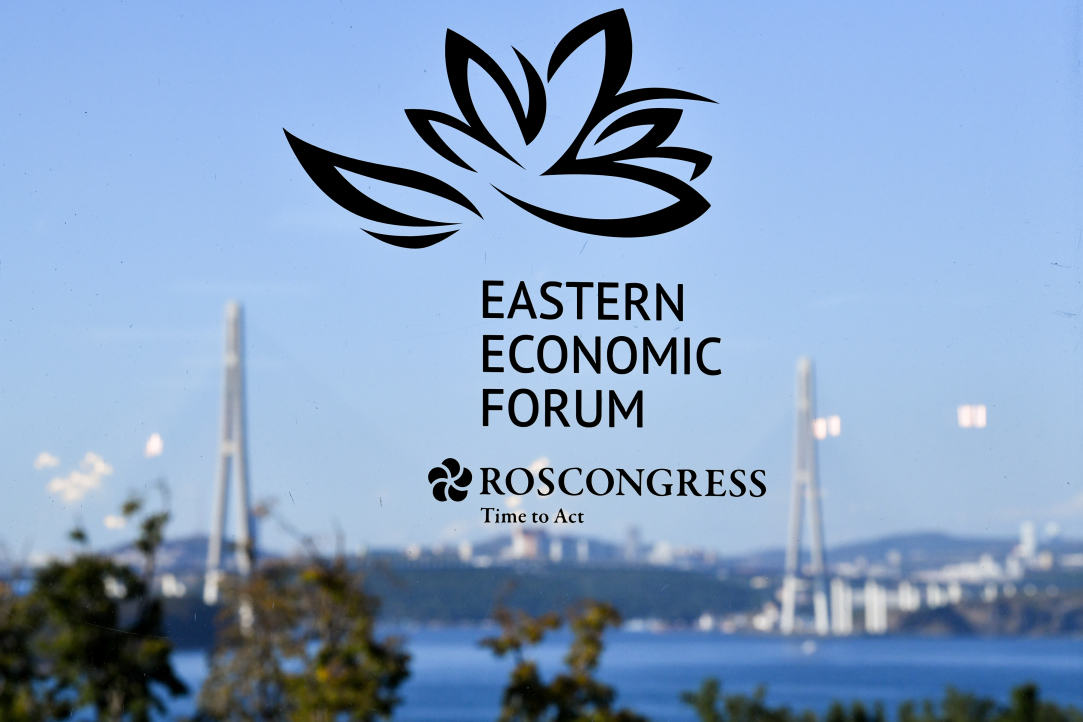
How should the universities of the Asia-Pacific region develop in the digital era, what challenges does the Russian labour market face, and what are the prospects of the Far East and Arctic region? These were some of the topics discussed during the first day of the Eastern Economic Forum, which featured the participation of HSE Rector Nikita Anisimov and other HSE University experts.

HSE Researchers Compare Expressive and Receptive Language Abilities of Russian-speaking Children with ASD for the First Time

HSE Researchers Compare Expressive and Receptive Language Abilities of Russian-speaking Children with ASD for the First Time
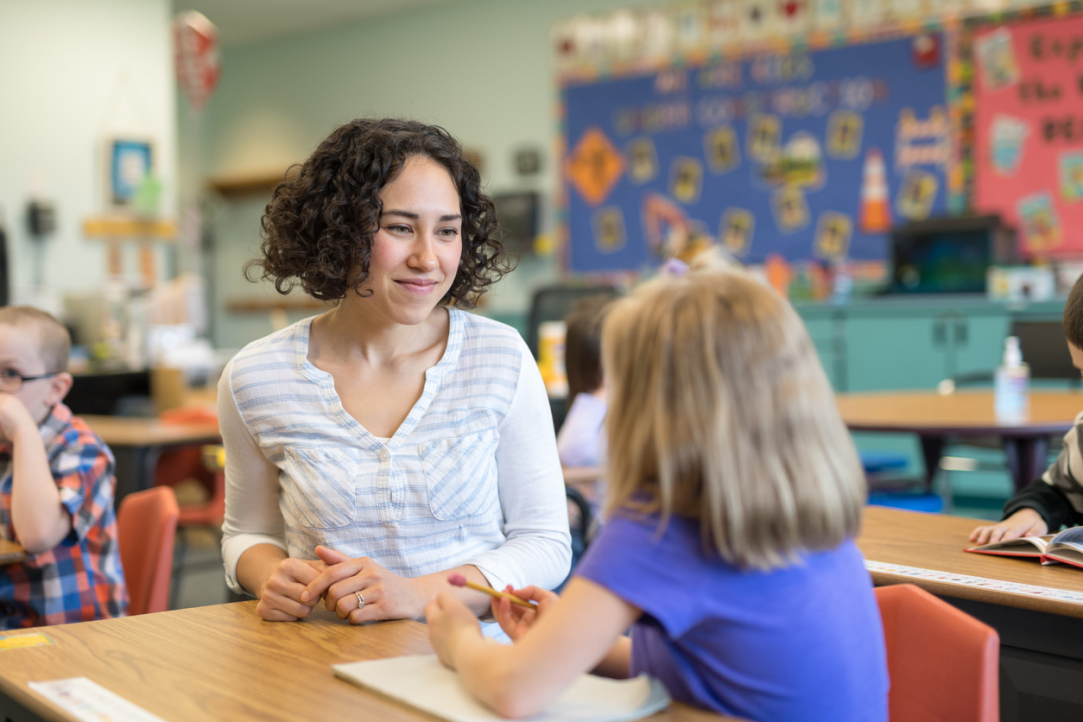
Researchers from the HSE Centre for Language and Brain and their Russian and American colleagues have become the first to compare expressive and receptive language abilities of Russian children with Autism Spectrum Disorder (ASD) at different linguistic levels. Their work helped them refute the hypothesis that children with ASD understand spoken language less well than they produce it. The study was published in Research in Developmental Disabilities.

Hormones Can Help Brain Recover after Injury

Hormones Can Help Brain Recover after Injury
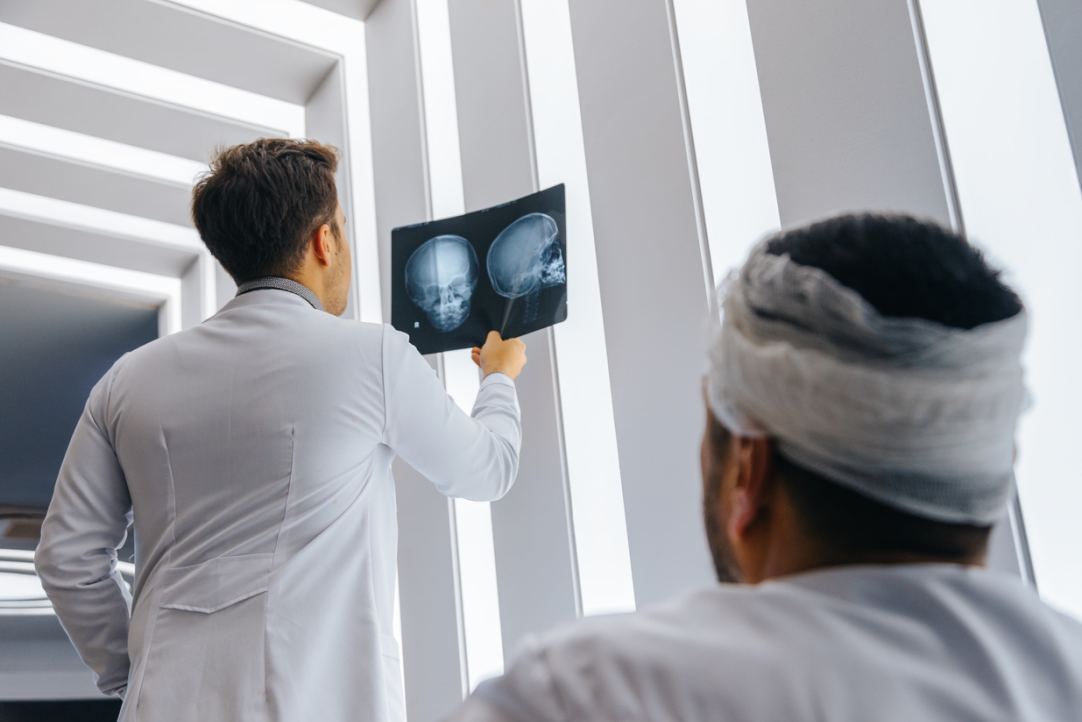
An international team of researchers including Alexander Tonevitsky, Professor at HSE’s Faculty of Biology and Biotechnology, found that pituitary hormones may produce different effects on the left and right sides of the body following a traumatic brain injury. These differences can accelerate the development of motor disorders. Researchers are trying to determine whether treatment that blocks the corresponding hormones can counteract these effects. The results of the study were published in the journal eLife.

Researcher at HSE University in Perm Predicts Electricity Consumption in Residential Buildings

Researcher at HSE University in Perm Predicts Electricity Consumption in Residential Buildings
Aleksey Kychkin, Associate Professor in the Department of Information Technologies in Business at HSE University in Perm, together with Georgios Chasparis, a scientist at the Software Competence Center Hagenberg (SCCH, Austria), built models to predict energy consumption in residential buildings for the day ahead. The electricity consumption profile of a group of residential buildings, which is determined for the day ahead, will allow electricity demand to be effectively managed. The results of the research were published in ‘Energy and Buildings’journal.

Higher Education and State-building: Methaphors of Universities Revisited

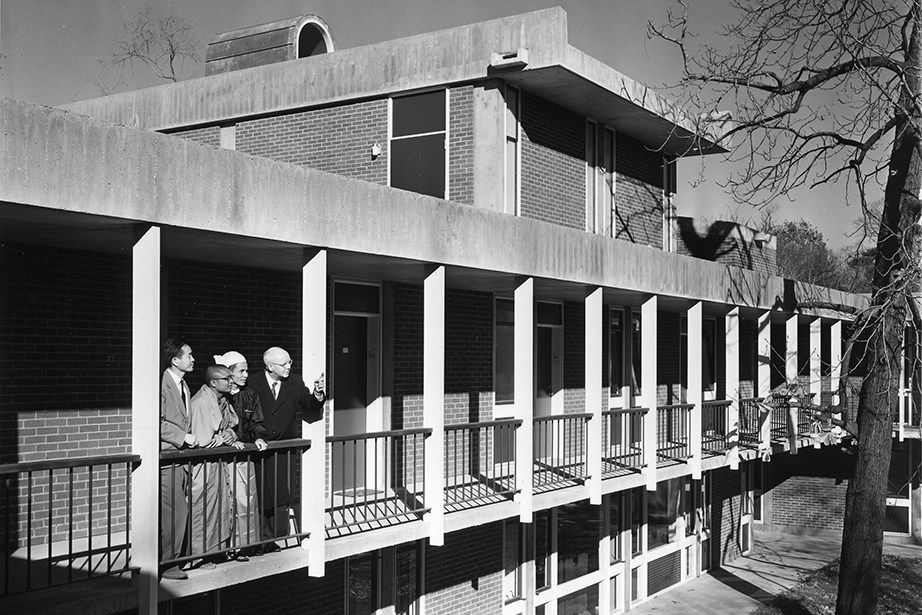
Center for the Study of World Religions, Harvard University, 1960
How has higher education influenced the evolution of nations since the Second World War—and vice versa? Stanford professor Mitchell Stevens and Institute of Education researcher Ekaterina Shibanova have tried to answer this question in a special issue of the European Journal of Higher Education. They invited renowned historians, political experts, sociologists and economists to develop ‘a consensus on the role of higher education in political and social history after 1945.’ The special issue was created with input from researchers from Canada, Luxembourg, Russia, Germany, France, the UK, and Sweden.

HSE University Creates the Viral Genealogy Simulator to Model the Spread of COVID-19

HSE University Creates the Viral Genealogy Simulator to Model the Spread of COVID-19
Researchers of HSE Tikhonov Moscow Institute of Electronics and Mathematics (MIEM), in cooperation with their colleagues from the University of California, Santa Cruz (UCSC), and The European Bioinformatics Institute (EMBL-EBI), have developed software to model the spread of the COVID-19 global pandemic. This is the world’s fastest Viral Genealogy Simulator (VGsim). For more details about this scalable simulator, read the reprint on medRxiv. The code is freely available at GitHub.