

Entering the Big Data Era — Will Traditional Statistics Still Be in Demand?
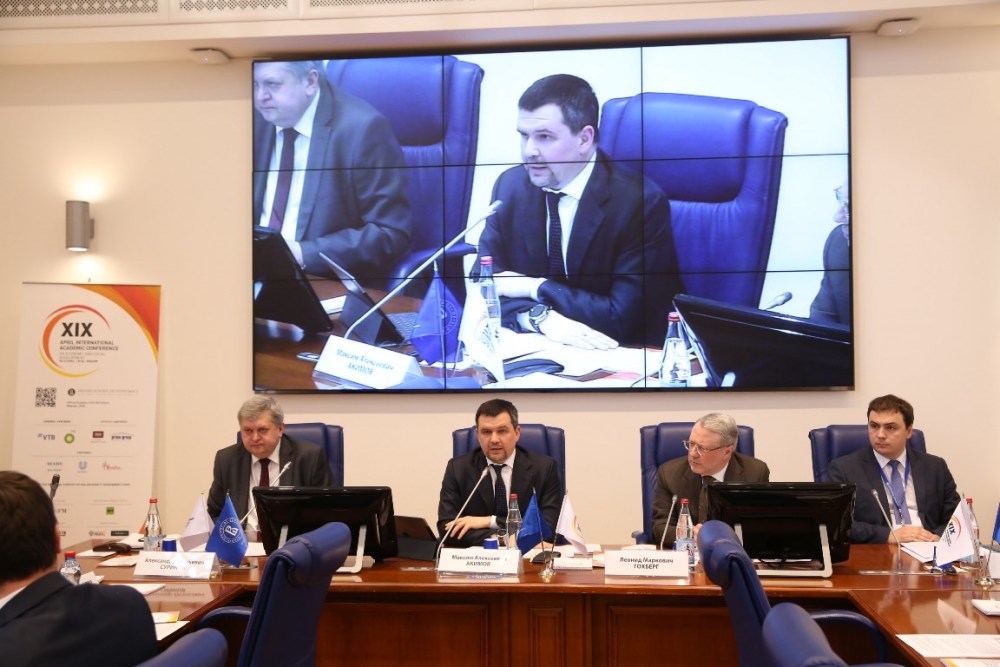
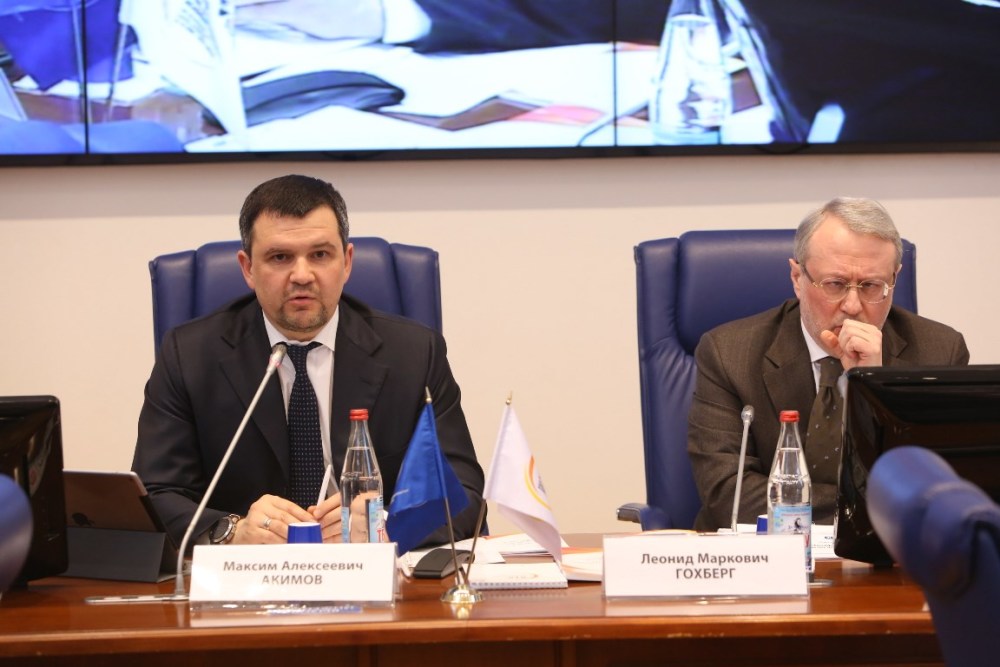

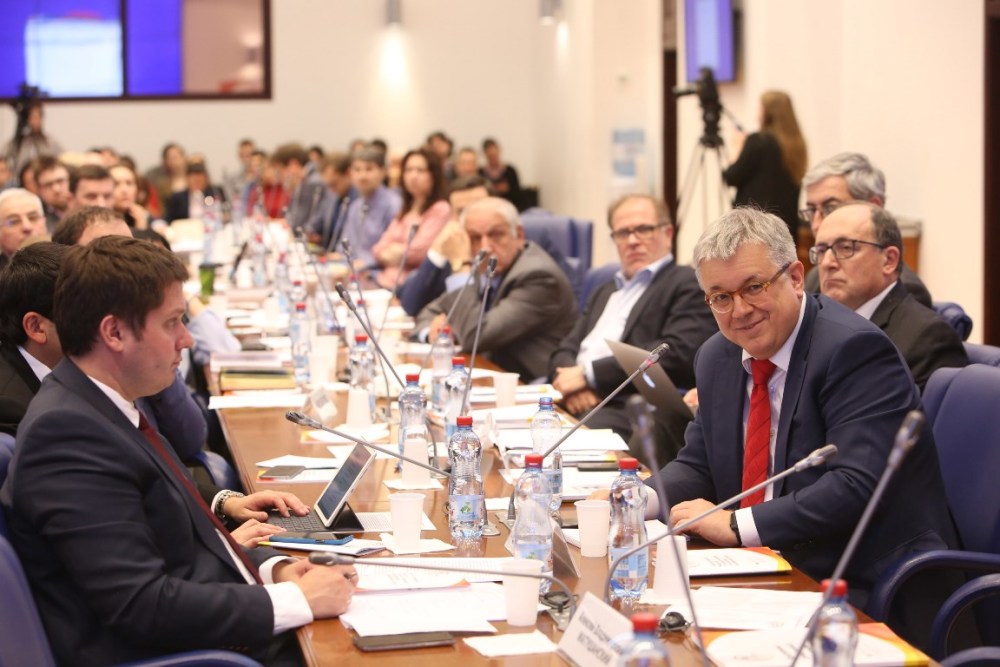
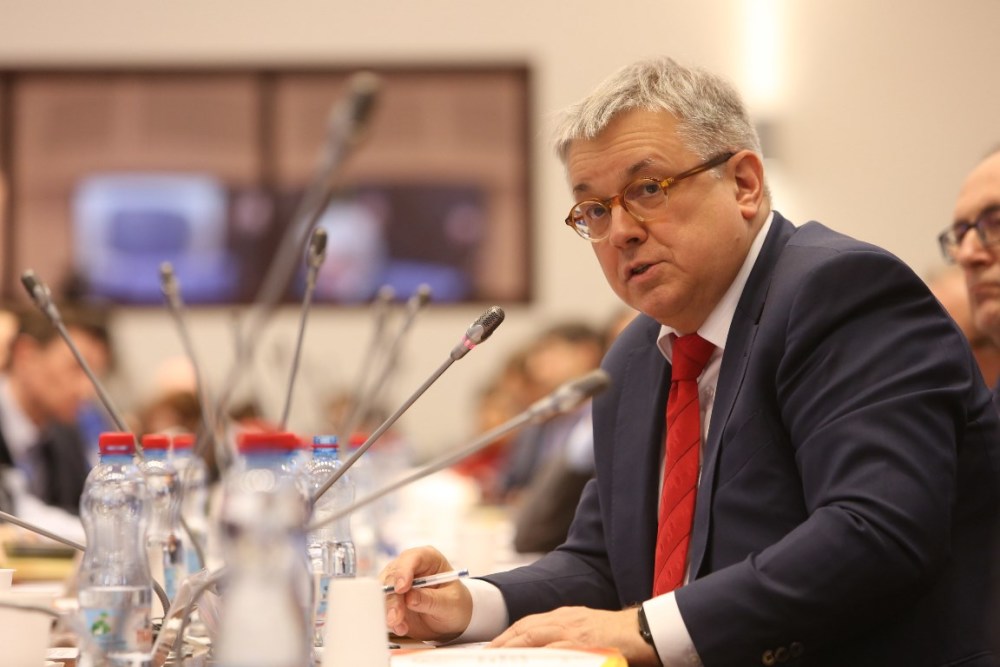

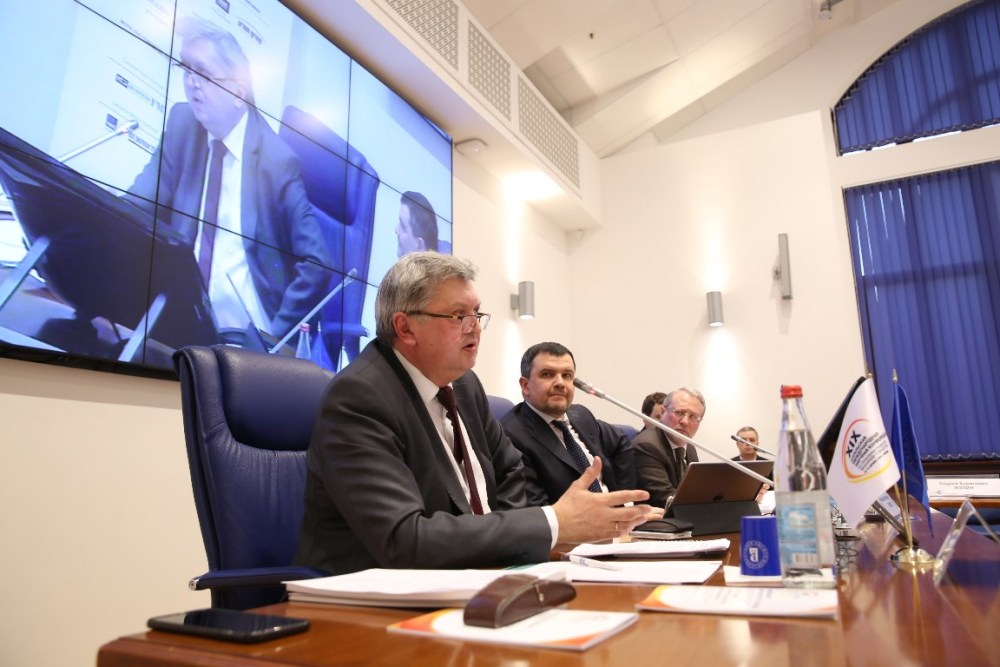

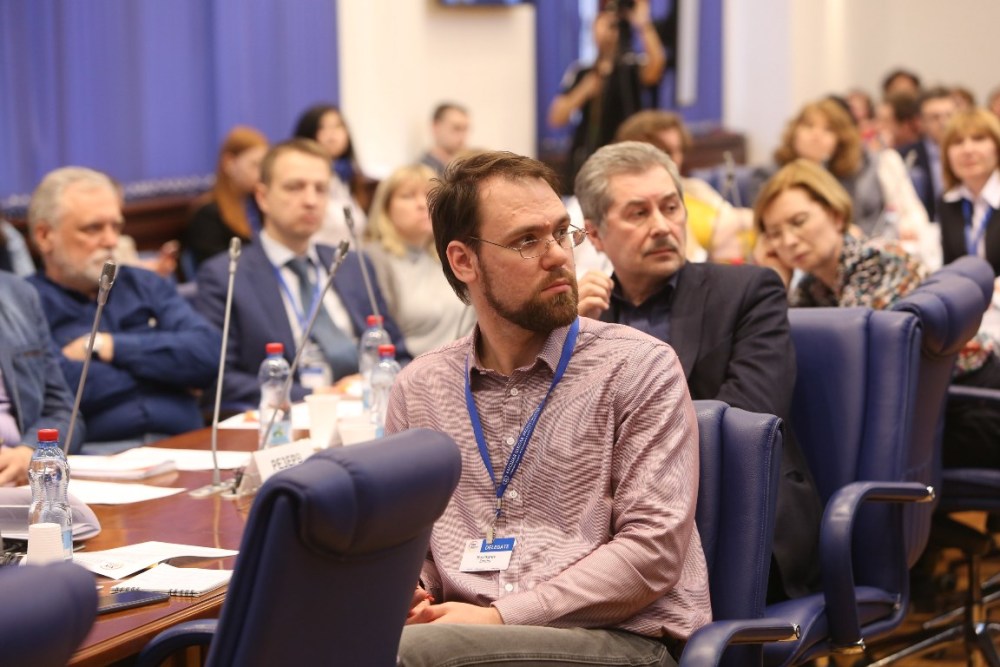
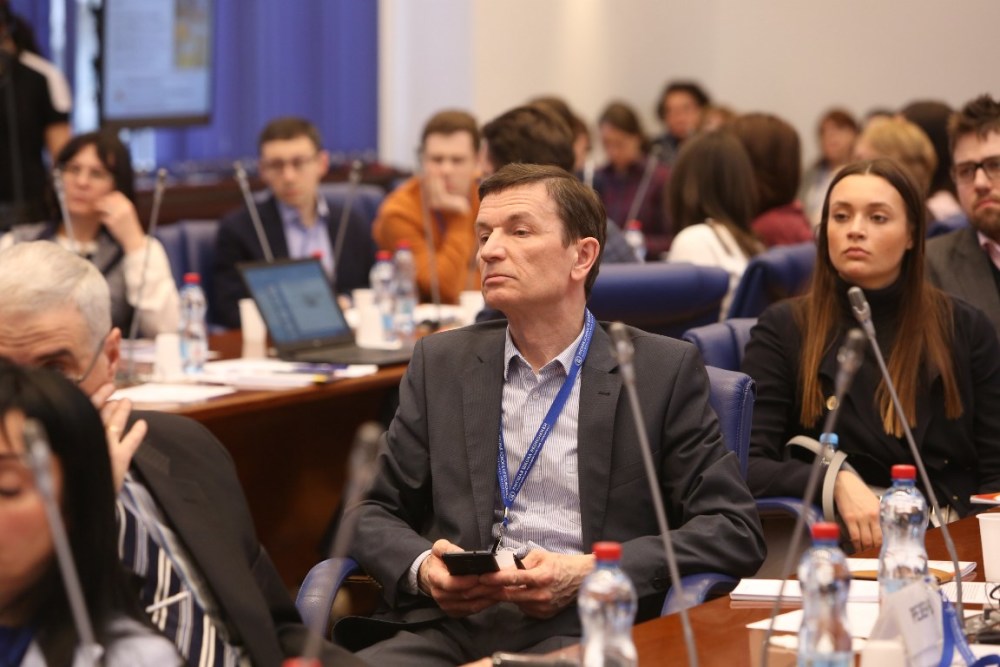
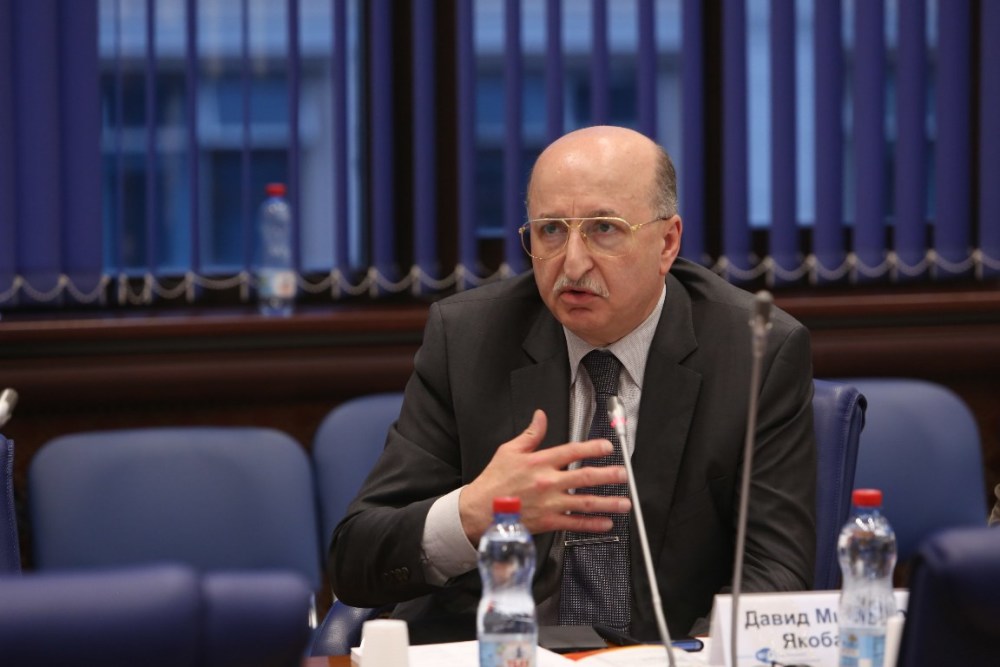


The development of a national data management system, along with its architecture and ontology, is one of the key issues for a future cabinet, believes Maxim Akimov, First Deputy of the Chief of the Government Staff of the Russian Federation. A discussion at a panel session on data in the digital era at the XIX April International Academic Conference at HSE looked into the key challenges in regards to Russian statistics and possible responses to them.
A year ago, Russia’s Federal Statistics Service (Rosstat) lost its independent status and became part of the Ministry of Economic Development. Today, the Ministry is discussing how to develop the statistics service and improve the quality of its operations, says Savva Shipov, Deputy Minister of Economic Development. ‘First of all, we are talking about digitalizing all statistical collection systems and processing, harmonizing all state information systems (there are over 320 of them today), and creating a unified digital platform,’ he notes. At the Russian Investment Forum in Sochi, Prime Minister Dmitry Medvedev issued directions for the creation of a national data management system, which will become one of the key infrastructure elements in Russia’s digital economy, he added.
‘It has become common to refer to the digital economy,’ says Leonid Gokhberg, First Vice Rector of HSE, adding: ‘In the process of creating and implementing a data management system, it is essential to understand and outline the role of state statistics (as well as the statistics service itself), conceptualize its model, systematize approaches to modernizing the procedures of information collection and integration within the context of digitalization, and interdepartmental coordination of statistical activities, as well as consider new analytical opportunities for administrative, open and Big Data,’ he said. Attention should be placed on methodology, harmonizing Russian statistics with international data, and launching statistical monitoring in new fields. ‘The respective statistical services of EU member states have some interesting experience in this regard. They are proactive in their communication with society, business, the state and the global community,’ Mr. Gokhberg said. He also emphasized that the statistical service should be independent in the development of its methods and data reporting.
Leonid Gokhberg also presented a report - ‘Advanced Model of State Statistics in the Digital Era’. Here, he reflected on key areas of structural and functional transformation in Russian state statistics as the basis for the future National Data Management System. In particular, it looked at organizing dialogue between the statistical service and its users, integrating data from various sources, and intellectual work with information in the context of Russia’s currently digitalizing economy. The report is based on research conducted by the HSE Institute for Statistical Studies and Economics of Knowledge (HSE ISSEK) in regards to improving the methods of statistical monitoring, creating and altering international statistical standards, and developing methods of statistical information collection, processing, analysis and distribution.
We are entering a ‘data society’, which is being generated without direct human involvement, said Yaroslav Kuzminov, HSE Rector, noting such Big Data as phone calls and geolocation databases. We have to discuss and quickly solve questions related to privacy. ‘Big Data systems will soon reach a point where statistics or sociology won’t be needed,’ he states, adding: ‘We’ll be able to get data from arrays of phone calls, GPS tracking, etc. That’s why the big question is - do we need to do traditional statistics?’
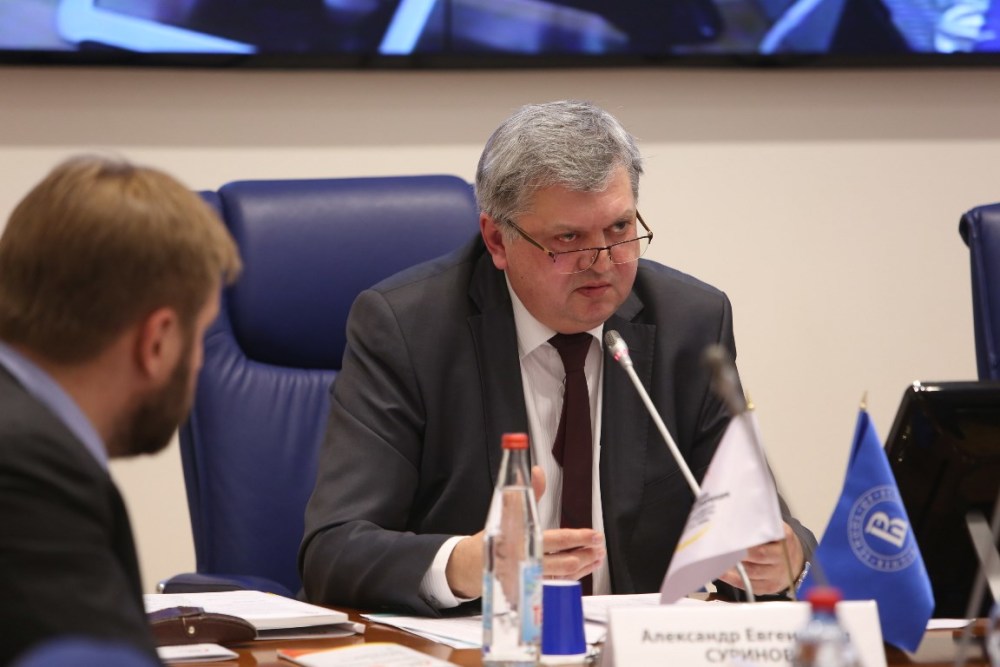
‘We might want to know about the total number of tickets? Or GDP numbers? The size of the population? So, what is Big Data? It is huge arrays of non-structured information,’ Alexander Surinov, Head or Rosstat, said in disagreement. He believes that Big Data is really a major challenge for the statistical service, noting that it’s ‘stupid not to notice it,’ but ‘it’s too early to say that we are ready to use it.’ Mr. Surinov also noted that the service is very hopeful that the new digital platform for statistical data management will be developed. Another important part of the standardization process could be the creation of a unified register for the purpose of monitoring objects based on Rosstat’s upgraded statistical register. ‘As of today, we face the serious challenge of calculating added value in the country with outstaffing and outsourcing – this is a "fabless manufacturing",’ he said.
The outdated organization of the state’s information base means that departments regularly manipulate methods of calculating performance targets. In turn, this results in orders being executed and targets being achieved only “on paper”’, laments Andrey Zhulin, HSE Vice Rector. In addition to direct the budgetary costs of collecting statistics, there are considerable costs borne by organizations for preparing and presenting statistics. In fact, there are 133 forms of statistical reporting today, he noted.
‘Total annual costs incurred only by public organizations and social administration bodies come to over 66.2 billion roubles,’ Zhulin calculated, adding: ‘We must move towards a unified, integrated and distributed model for statistical, reporting and administrative data collection, as well as processing, storage, reporting and distribution.’ ‘We also need to reform the systems of statistical data collection, processing, analysis and representation, and also create a system for effective interaction with users of statistical information,’ he emphasized.
See also:

Applications for Participation in XXVI April International Academic Conference Still Open
Applications can be submitted on the conference website until December 16, 2025. The programme has been developed around five research themes: Economics, Human Capital and Society, Instrumental Methods and Models, Foresight Research, and International Research. The heads of these areas have presented, in video format, the priority topics and sections for which they are expecting submissions.
‘Why Data Analysis Is Art’: HSE University–St Petersburg Hosts International School on Statistics
Why do statistical methods sometimes yield unexpected results? How does the creative approach help to process data in complex linguistic research? Is there 'a magic button' to analyse the results? The answers to these and other questions were the topic of the three-day autumn school 'Statistics in Psycho- and Neurolinguistics.'
Applications to Participate in April International Academic Conference Now Open
HSE University is now accepting proposals to present academic reports at the XXVI April International Academic Conference named after Evgeny Yasin. Applications can be submitted until December 16, 2025. The conference events will take place mainly on-site in Moscow from April 14 to 17, 2026.
24 Countries Represented at 25th Yasin International Academic Conference Held by HSE University
The Programme Committee of the 25th Yasin (April) International Academic Conference on Economic and Social Development has summed up the initial results. In 2025, 1,384 people from 24 countries and 29 Russian regions participated in the conference, with 335 of them delivering presentations.
Stuck in the Net: How Much Time Children Spend Online
On average, a schoolchild spends 48 hours a week on studies—equivalent to a six-day working week for an adult. This was highlighted by experts at the round table ‘Domains of Children’s Well-Being Evaluation for Human Potential and Evidence-Based Social Policy Development,’ held as part of the 25th Yasin (April) International Academic Conference.
Russian and Chinese Scholars Share Experience of Transformation of Doctoral Education
The Russian and Chinese postgraduate education systems originally borrowed their institutional frameworks from the Soviet Union. However, in the 21st century, they have evolved along different paths. While key performance indicators for postgraduate programmes in Russia are declining, China is seeing a rapid increase in the number of postgraduate students. These contrasting trajectories and the reforms undertaken in each country in recent decades were the focus of a roundtable discussion held as part of the 25th Yasin (April) International Academic Conference.
Nobel Laureate Proposes Solution to Markov Equilibrium Problem
In dynamic games, a Markov equilibrium involves strategies that guide players' behaviour based on the current state of the game, rather than its entire history. This approach is effective when players have access to complete information. But when uncertainty arises in the game—for instance, when players are unsure of who they are dealing with—this approach can become problematic. Eric Maskin, Nobel Laureate in Economics and Professor at Harvard University, addressed this issue in a paper presented at the XXV Yasin (April) International Academic Conference on Economic and Social Development held at HSE University from April 15 to 18, 2025.
‘The World Is Becoming More Complex and Less Predictable’: What Scientists Say about the Future
The future is now more difficult for researchers to forecast, and events that are hard to predict are playing an increasingly significant role. But there is good news too: scientists are confident that humanity will adapt to any changes. This was the focus of discussion at the International Symposium ‘Foresight in a Rapidly Changing World,’ which took place as part of the 25th Yasin (April) International Academic Conference.
Fragmentation and Bloc Formation: How the Global Economy is Changing
Sergey Dubinin, former head of the Bank of Russia and Professor of Finance and Credit at the Faculty of Economics at Moscow State University, has delivered an honorary address at the XXV Yasin (April) International Academic Conference. He spoke about the transformation of the global monetary and financial system, as well as the Russian economy.
More Children, More Happiness: HSE Experts Study Impact of Number of Children on Russians' Assessment of Happiness
Russians with children feel happier than those without children. At the same time, the number of children influences the assessment of happiness: the more children Russians have, the happier they feel. These conclusions were outlined inthe report ‘More Children, More Happiness: The Impact of the Number of Children on Russians’ Assessment of Happiness,’ presented at the XXV Yasin (April) International Academic Conference on Economic and Social Development, held on April 15–18 at HSE University. The study was conducted by Elena Churilova, Senior Research Fellow, and Dmitry Jdanov, Chief Research Fellowat HSE International Laboratory for Population and Health.