

Graduate School of Urbanism Students Take Part in French Summer School

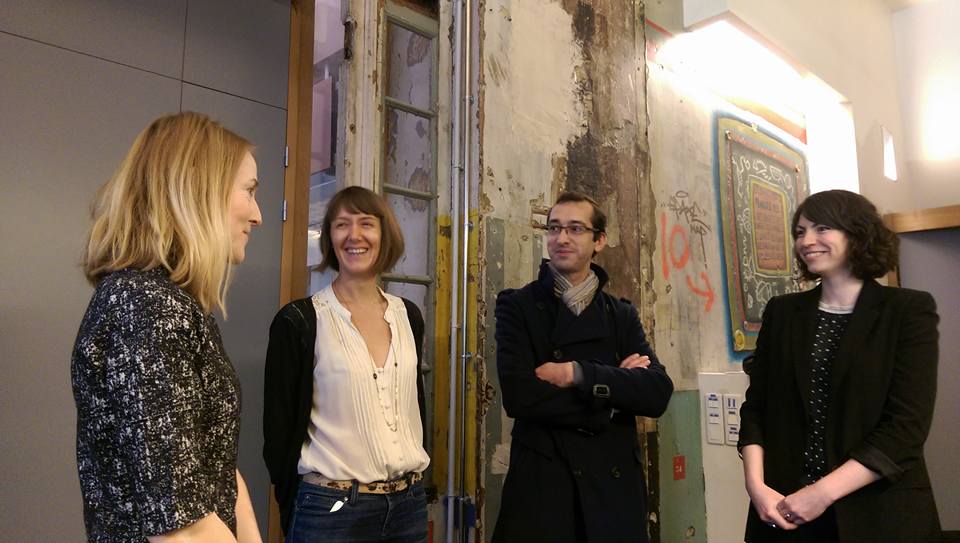
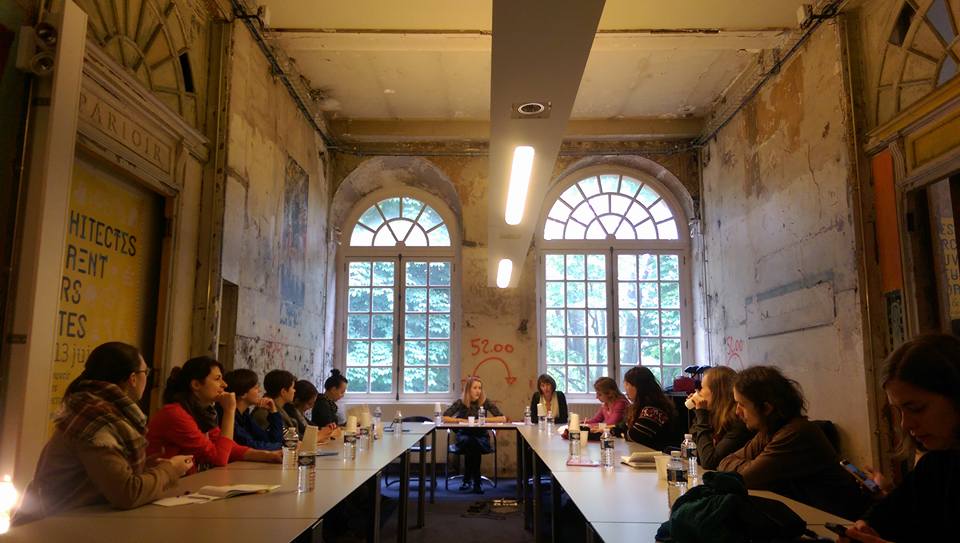
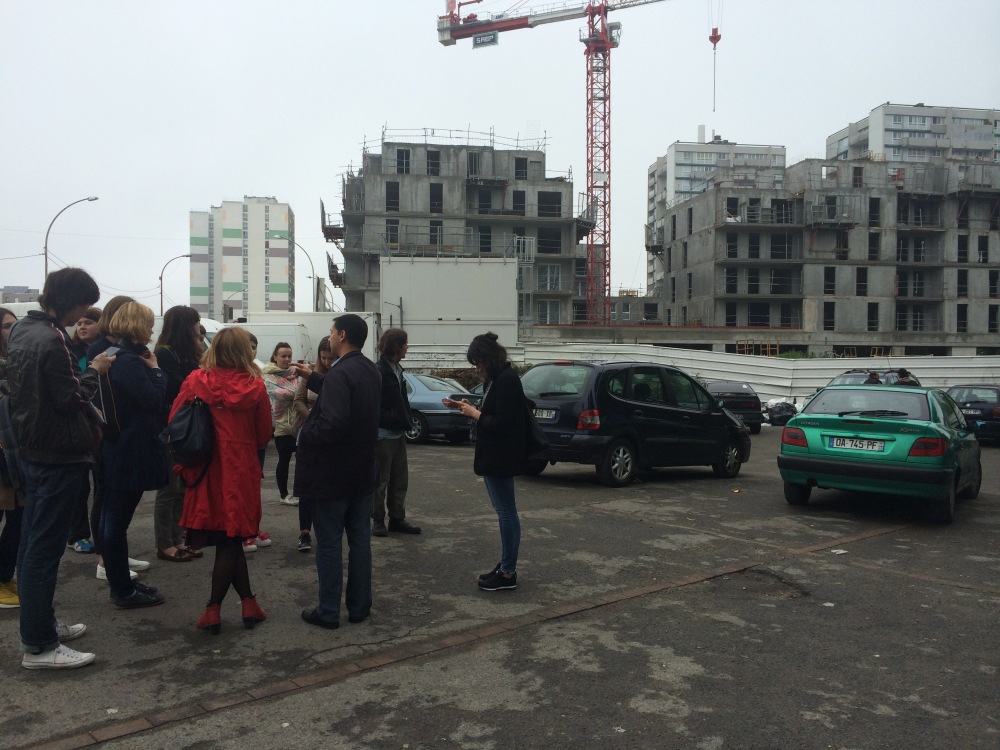
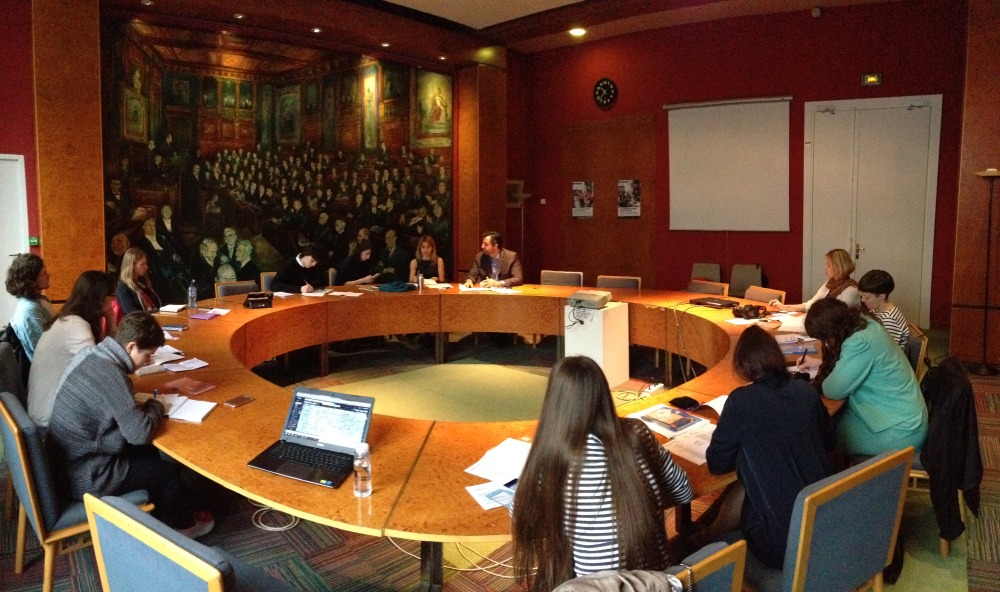

This summer five students from the HSE Vysokovsky Graduate School of Urbanism participated in the second summer school Les Ateliers d’Eté, organized by the French-Russian platform D’est and the Graduate School of Urbanism in Paris and Limoges.
The event attracted 11 young specialists in urban development, municipal governance, and civil initiatives.Participants had the opportunity to learn about the interdisciplinary decision-making process in urban development and municipal governance in France, see how residents and other urban development subjects can participate in the city’s life by looking at real projects.
The summer school’s programme included lectures, workshops, meetings, and discussions with French urban studies specialists, community leaders, representatives of municipal and city governments, and focused on residential policies, social diversity, and participatory democracy, among other issues.
HSE students shared their impressions of the summer school:
Anastasia Dubova, second year student at the Graduate School of Urbanism, architect
‘These two weeks of intensive communication and experience exchange gave us a detailed view of how residential urban policy is organized and implemented, what architects and urban studies specialists are taught, how citizens interact with the authorities, and the huge role in all these processes that is played by NGOs, to which each French citizen is related in some way or another. I’m grateful to D’est Association and the Graduate School of Urbanism for this opportunity to learn about how life and governance is organized in French cities, from truly legendary Paris to the small but incredibly cozyLimoges, as well as for the chance to meet colleagues and interesting people from France and Russia.’
Karina Garnaga, first year student at the Graduate School of Urbanism, sociologist
‘The Summer Workshop programme gave us a unique opportunity to learn more about the most recent practices in city management implemented France, where issues of the environment, residential construction, and social diversity are subject to long-term planning. The summer workshop offered the chance to meet representatives of municipal authorities and leaders of research institutions and associations, all high-level professionals’.
Olga Ponomarenko, first year student at the Graduate School of Urbanism, architect
‘French citizens’ involvement in urban projects, and authorities’ support for initiatives aimed at creating, restoring, and managing the urban environment are incredible. I was impressed with a high level of organization, strategic approach to planning, and attention to the needs of various social strata. The authorities’ ability to concede mistakes in city development and to involve professionals from various areas in the search for the best solutions are especially impressive.’
Ksenia Bobrova, first year student at the Graduate School of Urbanism, architect
‘Everything I learned will be very useful for my work since I’m an architect-analyst and intend to work with the municipal authorities.’
Ekaterina Dyba, Research Fellow at the Graduate School of Urbanism, organizer of the Les Ateliers d’Ete summer school
‘By studying various aspects of urban policy and looking at bottom-to-top initiatives in France, we can observe an environment where what is ‘right for the city’ is a natural everyday practice. Urbanism in France is not a hipsters’ fashion trend, but a civil society tool. Democracy is understood not as a choice between various things offered by the authorities, but as agenda formed by citizens themselves’.
The school was organized with the support of the French Embassy in Russia, the Paris city administration, and the Administration of the Central Quarter of Paris (Regie de Quartier Centre).
Ekaterina Dyba
See also:

Cardiogenetics of the Future: Sequencing Helps Treat Heart Disease
Future cardiologists, geneticists, and IT specialists gathered at HSE University to learn how to 'read' DNA for diagnosing cardiovascular diseases. They explored modern sequencing methods and the complexities of working with digital twins of cardiac patients.
Archival Impulse: Dubna Hosts Summer School Organised by HSE University and JINR
The Joint Institute for Nuclear Research (JINR) in Dubna hosted the Archival Impulse Summer School, co-organised by JINR physicists, historians from the HSE Faculty of Humanities, and staff from the Archives of the Russian Academy of Sciences (ARAS). This first archival summer school continued the joint initiative of HSE University and JINR to examine and preserve the unique historical legacy of physicists.
HSE Shares Its Experience of Urban Strategies at International Summer School in China
In the context of intensifying global geopolitical and technological competition, leading Chinese educational institutions—Zhejiang International Studies University and Peking University—organised an International Summer School. Their joint programme focused on studying global, regional, and urban development strategies. The HSE Faculty of Urban and Regional Development took part in this event.
HSE GSB and Alfa-Bank Host Summer School for Chinese Students
The international summer school Digital Product Management, a joint educational project by the HSE Graduate School of Business (HSE GSB) and Alfa-Bank, brought together over 30 students from leading Chinese universities.
HSE University Students and Postgraduates Take Part in Peking University International Summer School
In July 2025, Peking University hosted its annual Quantum Molecular Dynamics Summer School, which has moved onto an international stage. Its first foreign guests were students and postgraduates from the HSE Tikhonov Moscow Institute of Electronics and Mathematics (MIEM). They took part in an extensive academic programme and had the opportunity to visit a laboratory that works with optoelectronic materials and energy devices.
‘Student Ideas Shed Light on Key Challenges for Urban Development’
The first international joint summer school of the Vysokovsky Graduate School of Urbanism (GSU) at both the HSE Faculty of Urban and Regional Development and Brest State Pushkin University (BrSU), hosted by BrSU, has come to a close. The programme focused on studying buffer zones along the railway lines encircling the city centre. Participants included students from the GSU’s Urban Planning degree programme, as well as students from BrSU and Brest State Technical University.
HSE Discusses Urban Development Prospects at the Vysokovsky Forum
The annual Vysokovsky Forum, organised by the Faculty of Urban and Regional Development, was held at HSE University. Officials, business representatives, teachers, and experts gathered to discuss whether development projects should be adapted to residents' needs, whether New Moscow could become a new centre of attraction, and what benefits HSE will gain from launching a new academic department in partnership with A101 Group.
‘A Laboratory at 3,000 Metres’: HSE University–St Petersburg to Start Call for First Summer School in Himalayas
HSE University–St Petersburg has announced the call for the Summer School in the Himalayas, which will take place from June 30 to July 13, 2025. The Summer School is the follow-up to two expeditions in the Himalayas organised by the St Petersburg School of Social Sciences in 2024. The programme allows bachelor's, master's, and PhD students to immerse themselves in research on climate change and sustainability in local communities in the unique natural laboratory of the Himalayan region.
From Sequencing to Constructing a Cardio Panel: Summer School in Cardiogenetics
From August 19 to 29, the Continuing Professional Development Centre of the HSE Faculty of Computer Science hosted the summer school 'Cardiogenetics: From Sequencing to Constructing a Cardio Panel,' organised in collaboration with the Russian Academy of Sciences' Institute of Analytical Instrumentation (IAI) and Institute of Spectroscopy (ISAN), and the Syntol company. The summer school was conducted within the framework of the Federal Research Programme for Genetic Technologies Development for 2019–2027 (Project 15.IP.21.0004).
'These Are Unforgettable Impressions, I Will Cherish Them Forever'
HSE St Petersburg International Summer School is in full swing—right now, international students from 12 countries are attending lectures and enjoying the cultural programme. The HSE News Service talked to the participants about their most vivid impressions.