

HSE Congratulates PhD Recipients in 13 Disciplines

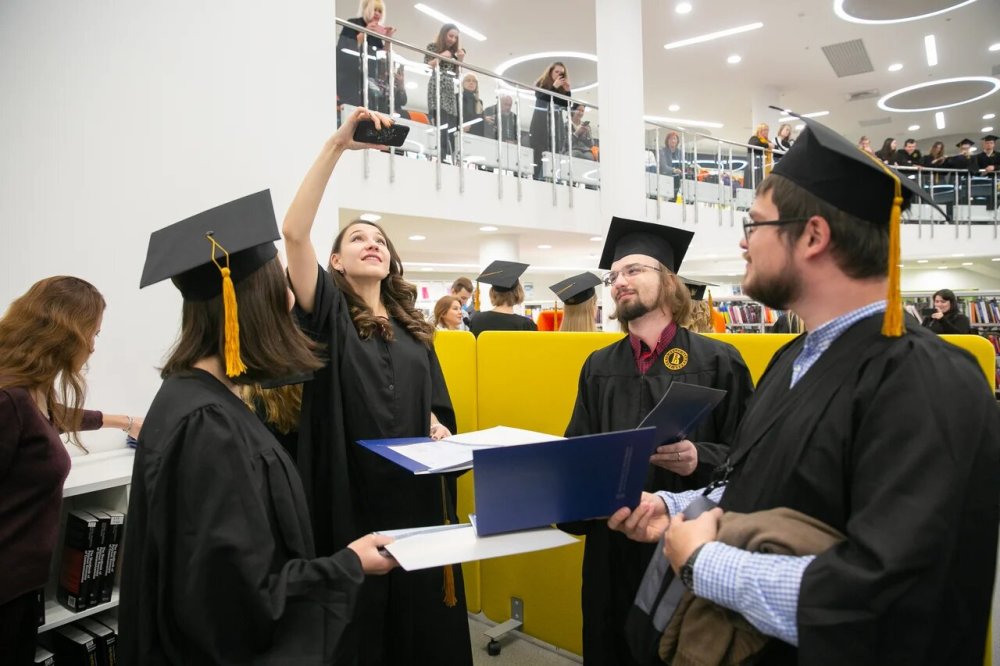

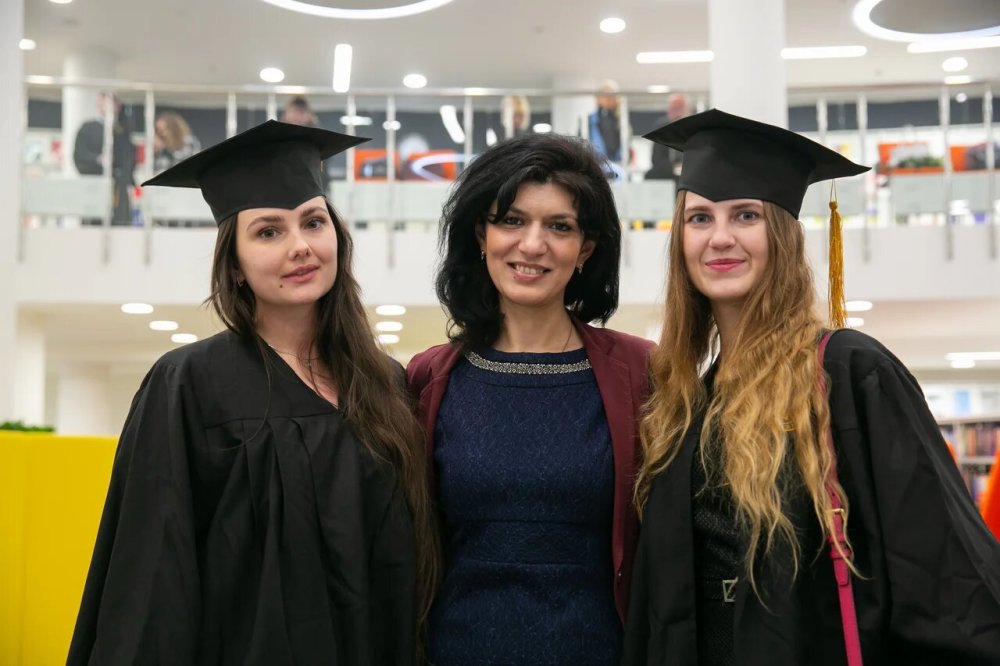
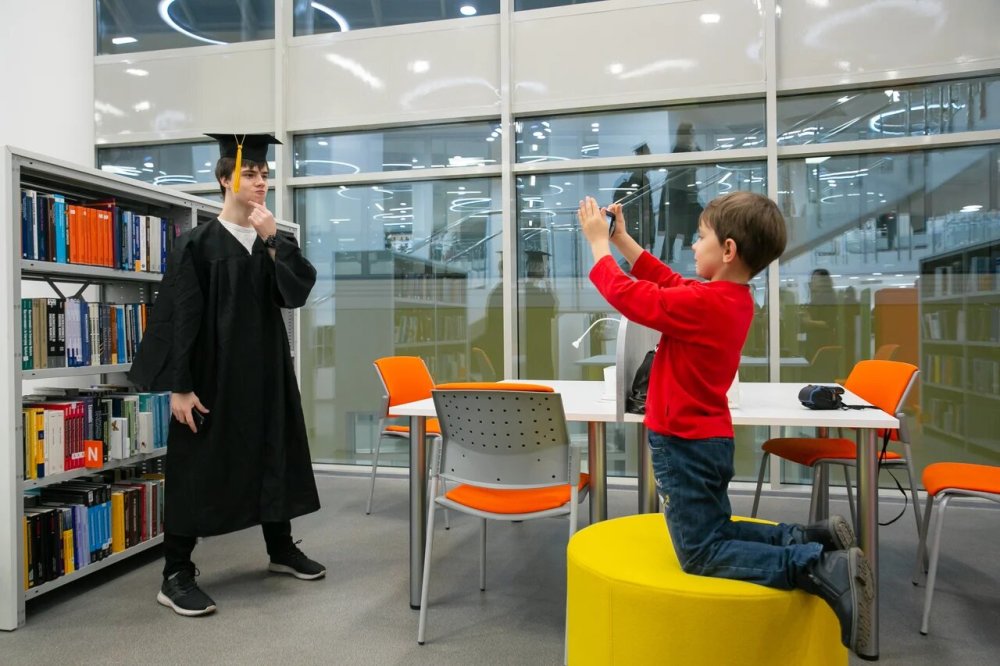
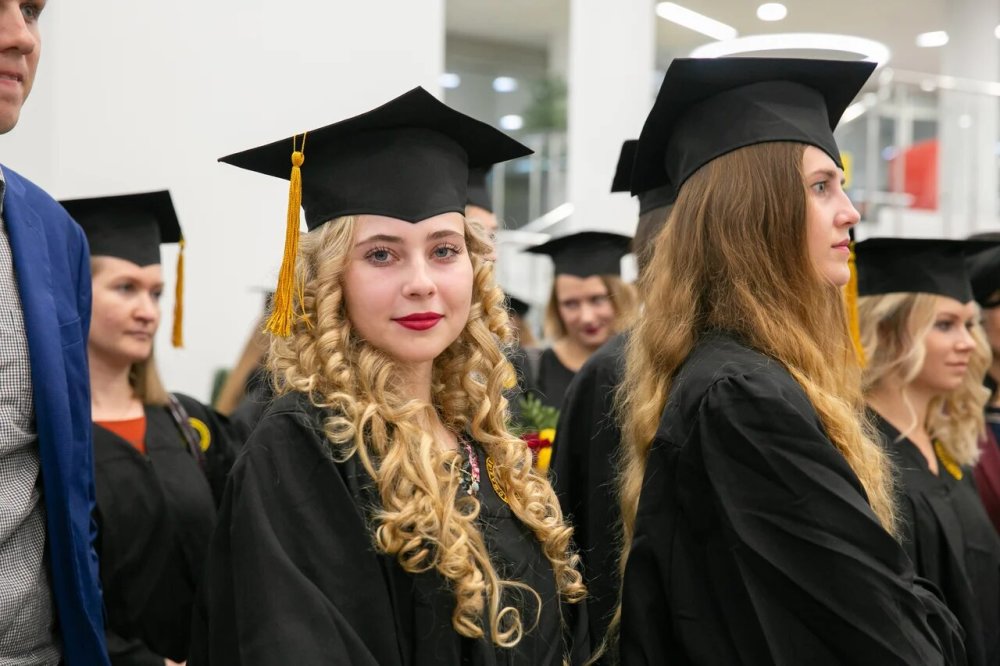
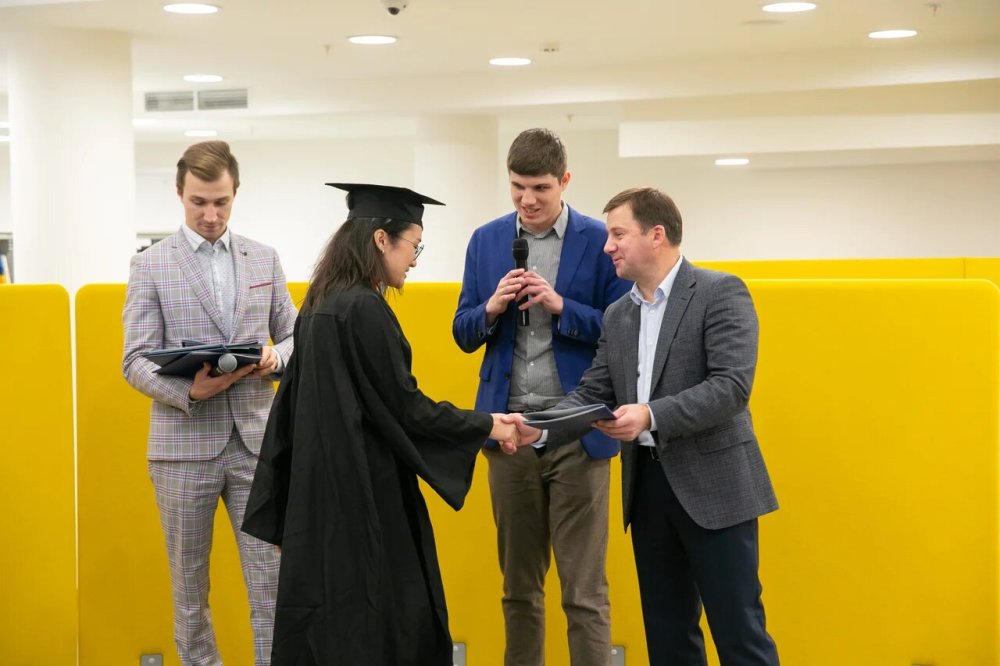
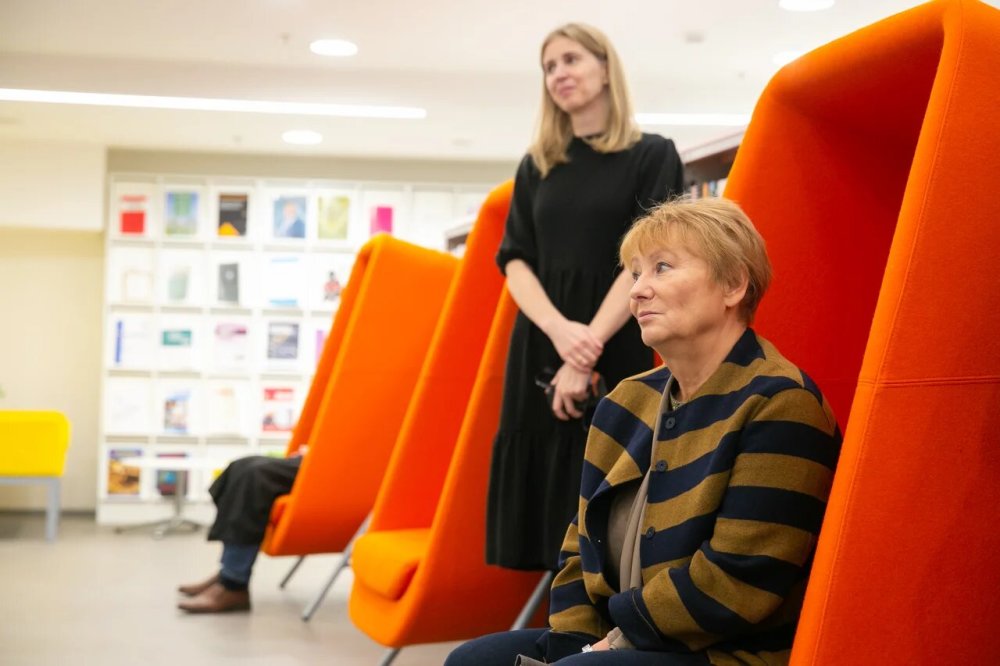
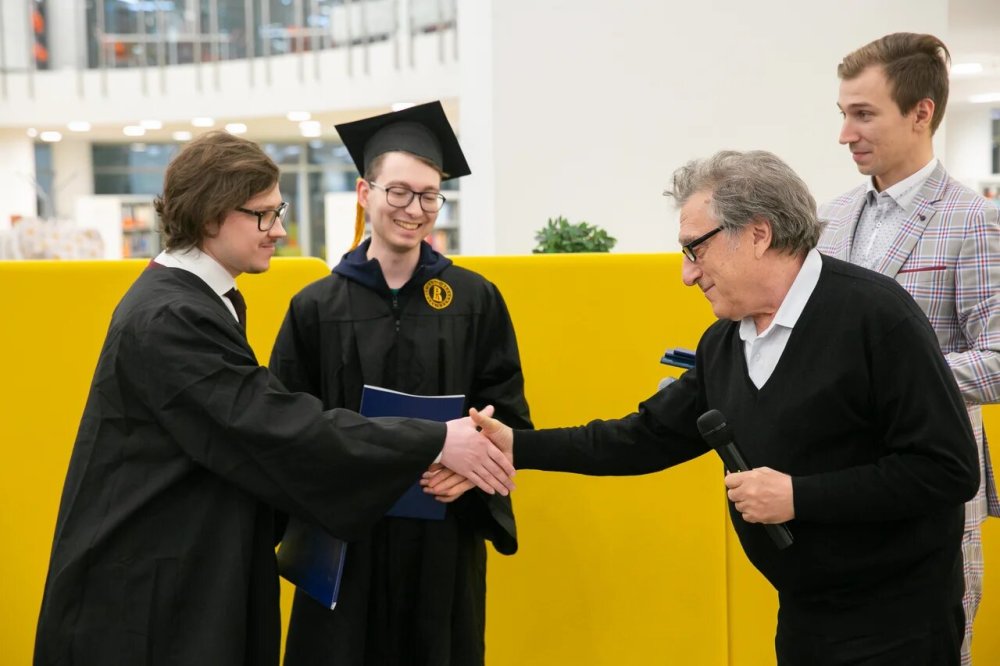
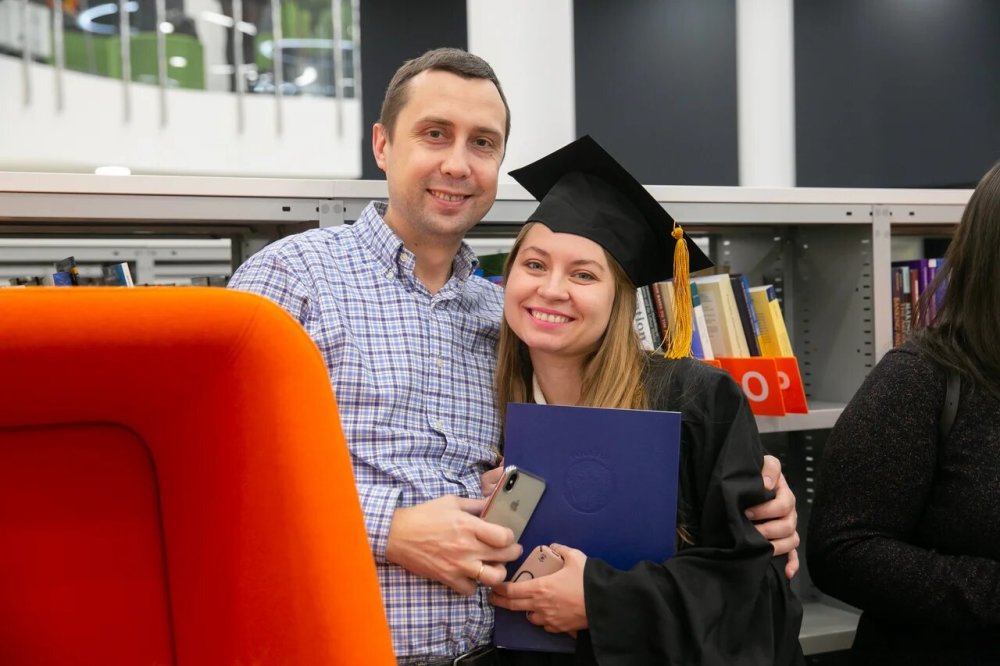
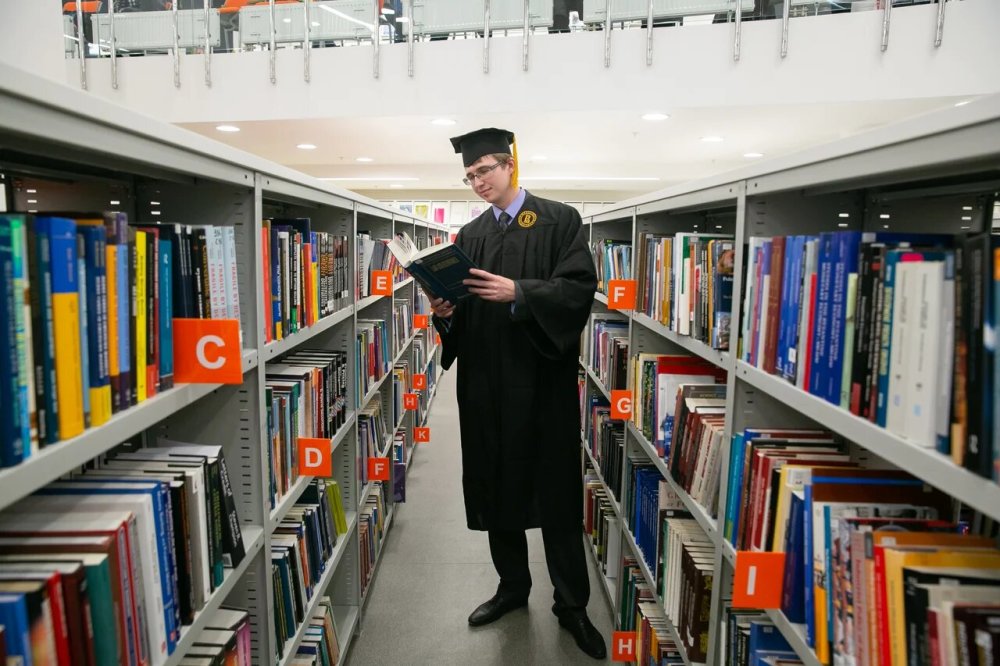
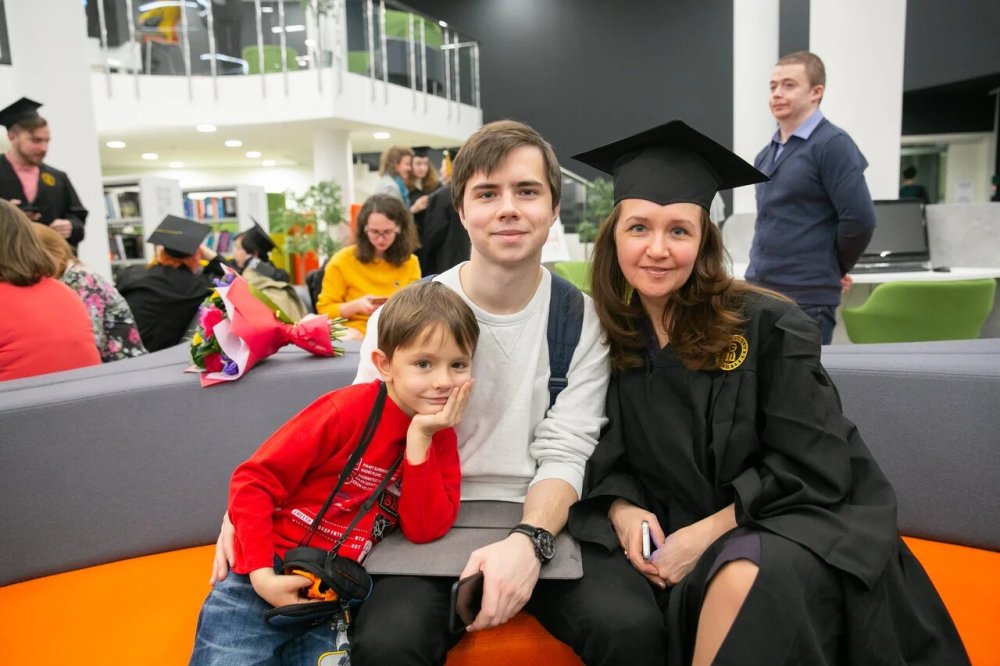
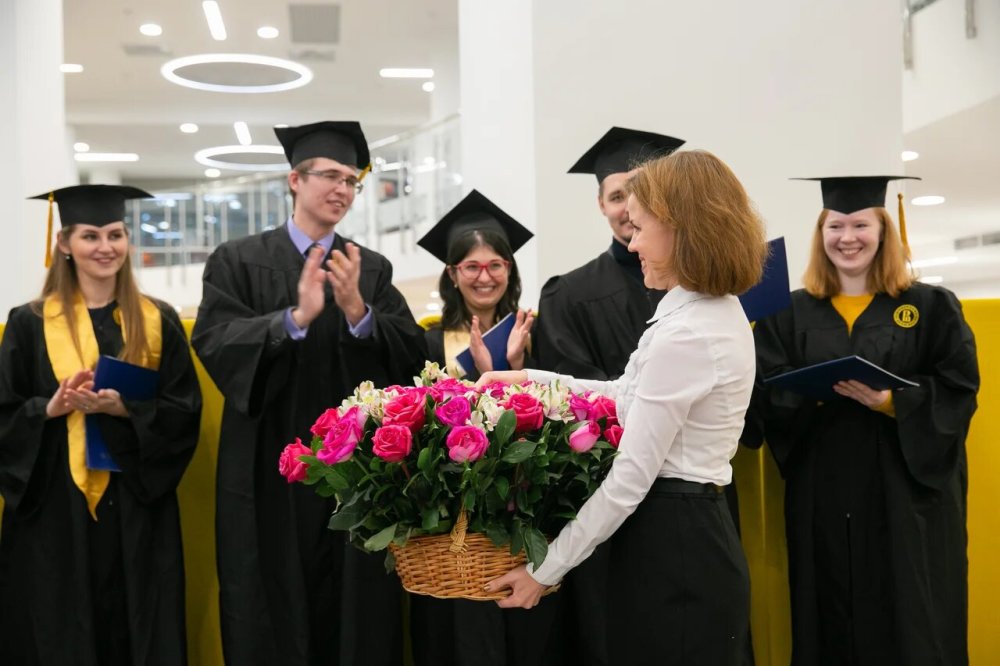
Of the original 300 students enrolled in doctoral programmes set to graduate this year, only 126 reached the final stage of the process—the dissertation defence. While congratulating the recent class of graduates, HSE Vice Rector Vyacheslav Bashev noted that such a large attrition rate testifies to the seriousness of those who have made it to graduation. ‘Though many of you work, you continue to invest in yourselves intellectually,’ he said.
A Factory of Ideas
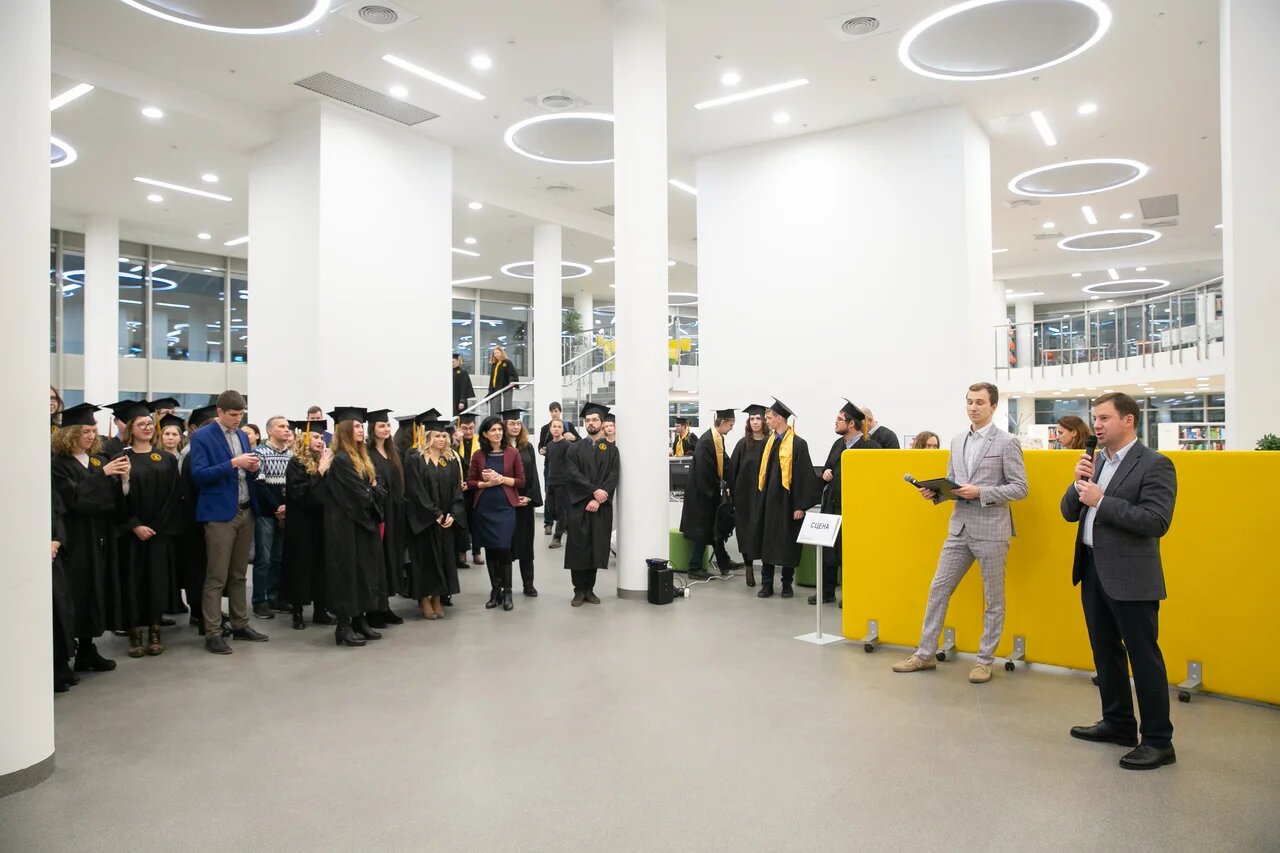
Some graduates have already defended their dissertations, but most will complete the procedure within a year. This is the third cohort of graduates to earn PhDs from HSE University. ‘I hope that your paths, which began with applying to post-graduate school, do not end with today, the day of the conferment of your doctoral degree. I hope that you defend, at the very least, your doctoral dissertations, which will be a testament to your professional skills: your ability to learn, think, formulate, and, most importantly, prove your own hypotheses,’ the Vice Rector said in his address to the graduates.
© Mikhail Dmitriev/ HSE University
Continue your academic endeavours, make discoveries that you can be proud of and that will benefit our country, and maybe, the whole world
Vyacheslav Bashev noted that this year’s total student enrolment, with the Moscow campus’s undergraduate programmes, graduate programmes and the HSE Lyceum combined, amounts to 15,000 students. ‘If we maintain this pace, in three years we will have enrolments of about 60,000. And this huge factory of ideas—this intellectual factory—is a great place for self-improvement,’ he said.
Global Issues — a Focal Point for Graduates

Anastasia Fedorova
© Mikhail Dmitriev/ HSE University
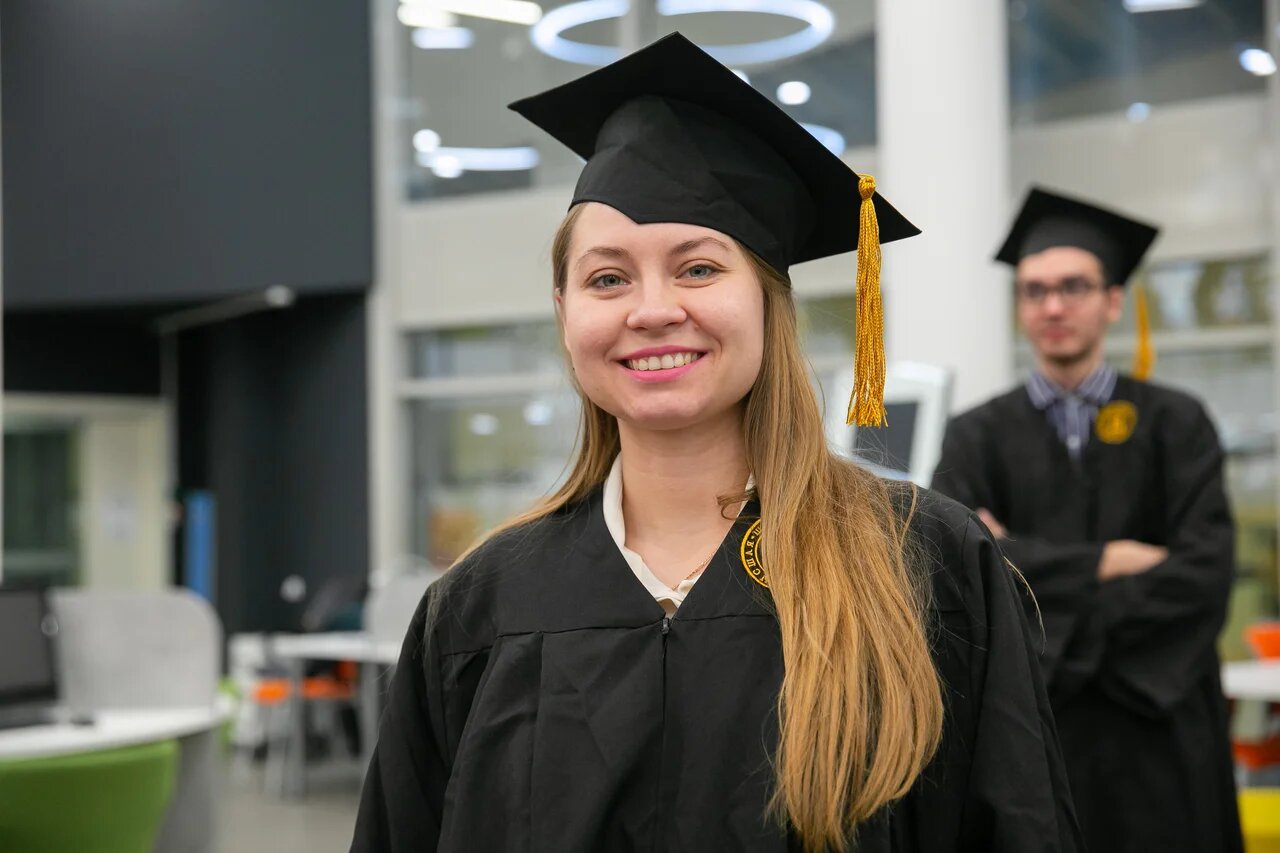
Two weeks ago, Anastasia Fedorova, a graduate from the Doctoral School of Psychology, successfully defended her dissertation. Her research examines the connection between creativity and conflict behaviour. Anastasia had been working with her academic advisor, Professor Milana Hachaturova, for nine years since her undergraduate studies.
‘I was interested in the phenomenon of creativity (a topic about which Anastasia has written a number of research articles – one of which she discussed with IQ.HSE – ed.), and Professor Hachaturova studies conflict, so we combined the two topics. When I am finished with my postgraduate studies, I plan to work in my own company—we are developing neural networks to predict people’s behaviour based on open sources, such as social media and the internet. Using big data, psychologists can learn a lot about a person’s personality, values, motivations, and needs. I started working on these kinds of projects about six years ago, and a couple years ago I founded my own company,’ says Anastasia. She also has plans to work in Europe as a postdoc.
Irina Shcheglova
© Mikhail Dmitriev/ HSE University
Irina Shcheglova, a graduate of the Doctoral School of Education and a Junior Research Fellow at the Student Experience Research Laboratory (SERU Lab), on the other hand, recently completed a research internship abroad. She travelled to University of California, Berkeley, where she completed an education assessment course. She was happy to return to HSE, now her alma mater. ‘I actually really like it at HSE University,’ says the graduate. ‘I feel at home here, and I think I have more opportunities for development here.’
Irina’s dissertation examines the relationship between student involvement in extracurricular activities and the development of critical thinking skills. When attending a debate club or volunteering, for example, students interact with each other and become involved in social tasks. ‘When involved in extracurricular activities, students have a role to play; they need to analyse and synthesise information, interact with others, and make decisions. In this capacity, they practice skills that they have gained at university but haven’t been able to put into practice yet. Extracurricular activities thereby become a piece of real life where students can develop themselves,’ says Irina.
Maxim Borisyak
© Mikhail Dmitriev/ HSE University
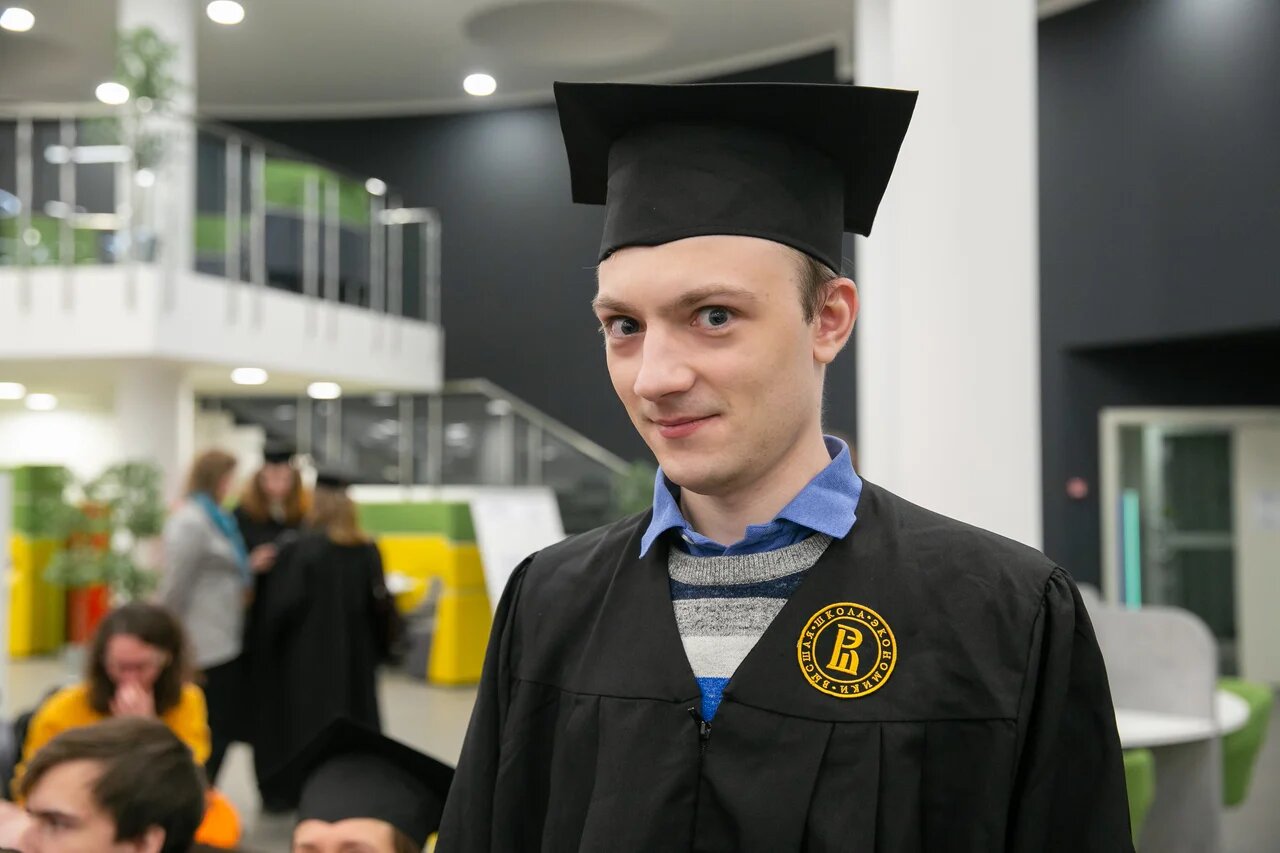
Maxim Borisyak, who received his PhD from the Doctoral School of Computer Science and works as a research assistant at the Laboratory of Methods for Big Data Analysis (LAMBDA), is also actively engaged in the global research community. His research, which he conducts in collaboration with colleagues at New York University and the University of California, Irvine, has led to the creation of a mobile phone app that serves as a space observatory data processing system. The app uses regular smart phone cameras, which, as it turns out, are capable of detecting traces of cosmic particles. ‘We are targeting volunteers to install a special application on their mobile phone. It will automatically turn on at night and the only thing the owner has to do is to charge their phone at night with the camera facing down,’ says Maxim. ‘The app is of interest first and foremost to astrophysicists. The key feature of our observatory is that it covers a large area due to the large number of volunteers. We can collect information about very rare phenomena, including cosmic radiation of ultra-high energies, which has been little studied at the moment.’

Maxim Miroshnichenko
© Mikhail Dmitriev/ HSE University
Maxim Miroshnichenko, a graduate of the Doctoral School of Philosophy and recipient of the Alexander Pyatigorsky Foundation fellowship, uses an interdisciplinary approach in his work. His dissertation explores the philosophical problems of cognitive science. ‘It seems to me that we can only engage in philosophy at the intersection of disciplines, with a strong emphasis on integration into contexts outside of philosophy. Philosophy thereby doesn’t seem speculative but rather makes a positive contribution to the development of world science,’ he says. His dissertation, ‘Phenomenology as Experimental Philosophy: Methodological Foundations and Prospects for Interdisciplinary Study’ was a continuation of his master’s thesis under his advisor Georgy Chernavin.
Maxim Borisyak
Maxim Miroshnichenko
Anastasia Fedorova
Irina Shcheglova
See also:

‘Employers Know That HSE Graduates are Well-Prepared, Analytical, and Adaptable’
Warda Tariq, from Pakistan, completed her Master’s in Data Science at HSE University–Moscow in 2024. She is now undertaking a PhD at the Faculty of Computer Science while working remotely as an AI/ML developer. Warda spoke to the HSE News Service about blending theory and practice, what an HSE education provides apart from academic knowledge, and her advice for making the most of university.
‘Start Working on Your Articles from the Very Beginning of Your PhD’
Andrés Castañón Rincón, from Spain, is a doctoral student at the HSE School of Philosophy and Cultural Studies in Moscow working on the history of Soviet Marxism philosophy. In his interview with the HSE News Service, he explains why studying Soviet Marxism is relevant today, talks about the advantages and challenges of his work in Moscow as an international researcher, and gives some advice to beginner PhD students.
‘Education is the Mother of all Disciplines’
Moses Oluoke Omopekunola, from Nigeria, is a second-year student of the Science of Learning and Assessment (SOLA) programme. Intent on pursuing a career in psychometrics, he has already joined the PhD programme in Education to deepen his knowledge of the theory and methodology of learning. In this interview with the HSE News Service, Moses explains how his master’s programme aligns with his future plans, recalls the challenges he has faced, and shares the most valuable lessons he has learned so far.
Russian and Chinese Scholars Share Experience of Transformation of Doctoral Education
The Russian and Chinese postgraduate education systems originally borrowed their institutional frameworks from the Soviet Union. However, in the 21st century, they have evolved along different paths. While key performance indicators for postgraduate programmes in Russia are declining, China is seeing a rapid increase in the number of postgraduate students. These contrasting trajectories and the reforms undertaken in each country in recent decades were the focus of a roundtable discussion held as part of the 25th Yasin (April) International Academic Conference.
Doctoral Student Explores the Challenges Faced by International PhD Seekers During the Pandemic
In late June 2024, a pre-defence of Nurudeen Abdul-Rahaman’s dissertation took place at the HSE Institute of Education. Nurudeen Abdul-Rahaman, a doctoral student from Ghana, has presented his dissertation ‘Academic and Social Integration of Foreign Doctoral Students at Russian Universities during the Covid-19 Pandemic’ for the degree of Candidate of Sciences in Education (PhD).The HSE News Service spoke with Nurudeen as well as his academic supervisor, Evgeniy Terentev, Director of the Institute of Education, about their extensive research on international doctoral students in Russia and Nurudeen's contribution to this research.
‘We Cannot Understand the Modern Ideological Confrontation without the Accusations that Emerged during the Lausanne Process’
Rainer Matos Franco, from Mexico, defended his PhD thesis with honours at HSE University this June. In his dissertation, Rainer Matos Franco examines the history of anticommunism in Europe during the 1920s. The HSE News Service spoke with Rainer and his academic supervisor, Tatiana Borisova, about the significance of the Lausanne Process for the Cold War and contemporary history, the opportunities provided by HSE University for international PhD candidates, and the challenges of working with a vast database of historical sources.
‘I Am Able to Tell My Students Things That I Always Wanted to Tell People in Russia’
Ana Livia Araujo Esteves, from Sao Paulo, Brazil, is a journalist, a third-year doctoral student of International Relations, and visiting lecturer at the HSE School of International Regional Studies. In her interview for the HSE News Service, she speaks about her motivation to carry out research and teach students in Russia, shares some tips for people from Latin America living in Moscow, and talks about why a dog can be a reason to stay in Russia for just a bit longer.
Zaruhi Hakobyan Shortlisted for HSE Alumni Awards
Zaruhi Hakobyan, master’s graduate of the HSE University Faculty of Economic Sciences and research scientist at the University of Luxembourg, is involved not only in research but also in organising academic events for young scientists and students. As a foreign graduate of HSE University, Zaruhi was nominated for the HSE Alumni Awards ‘for her tireless enthusiasm in popularising economic science, teaching, and research at the international level’ and made the shortlist.
‘Studying at HSE Was a Chance for Me to Get to Know Some Supportive Seniors, Knowledgeable Professors, and Wonderful Friends’
On August 4, 2023, a pre-defence of the thesis on ‘Refugee-Host Community Conflict over Assimilation, Integration, and State Legitimacy: The Case of Rohingyas in Bangladesh’ by Md. Reza Habib will be held at HSE University. The preliminary defence will take place at a joint meeting of the HSE School of Sociology and the International Laboratory for Social Integration Research. Md. Reza Habib shared his experience of studying and preparing his PhD with the HSE News Service.
‘At HSE University, We Receive Substantial Support for Our Research’
Wenrui Zhang, from China, is a recent graduate of theMaster’s in Economics and Economic Policy at the HSE UniversityFaculty of Economic Sciences. Having successfully defended his master’s thesis on the impact of COVID-19 on the incomes of vulnerable groups, Wenrui has set his sights on publishing his research and enrolling in adoctoral programme at the university. The HSE News Service interviewed Wenrui about his achievements so far and his goals for the future, and also spoke to Prof.Elena Kotyrlo, his academic supervisor.