

HSE Faculty of Computer Science Holds Summer School on Software Engineering
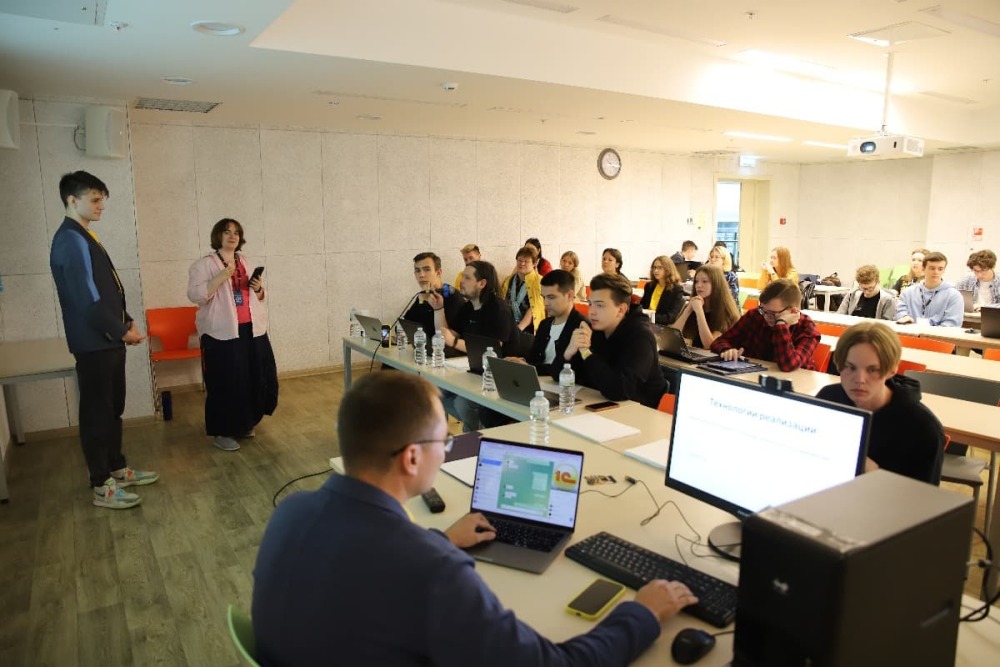

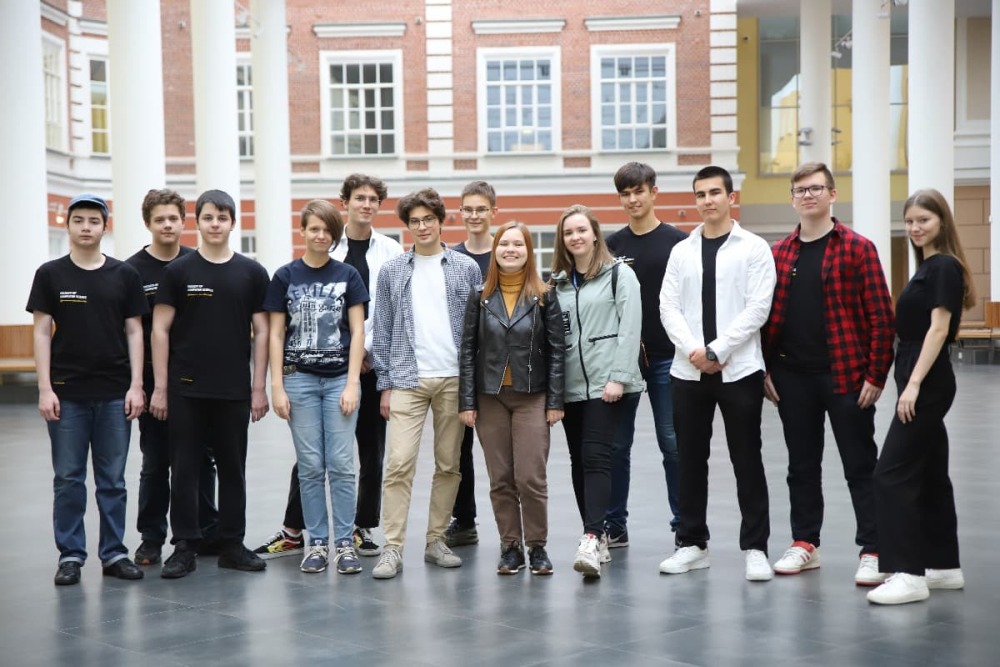
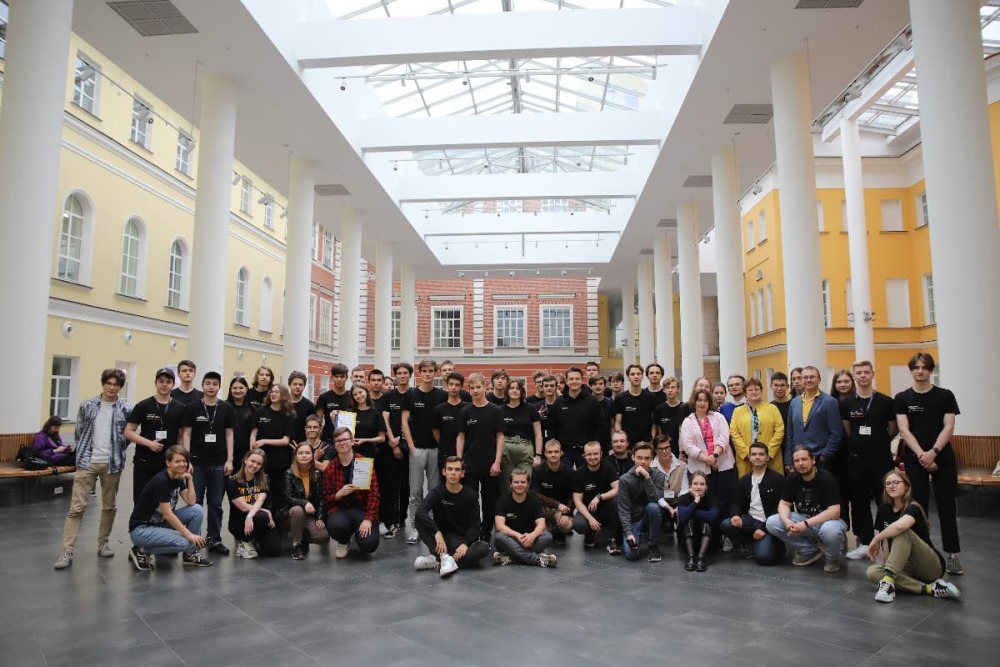
At the beginning of July, a summer school on software engineering was held at the HSE Faculty of Computer Science. This is the successor to the school on mobile applications development, which was held at the FCS from 2015 to 2022. The school’s partners for this event included 1C, Sber, the community of authors of the Indicator games, and the Samsung Innovation Campus IT School.
This year, the training was conducted via two tracks: game development and web development. High school students and school graduates were invited to apply, with 64 of 250 applicants selected to attend.
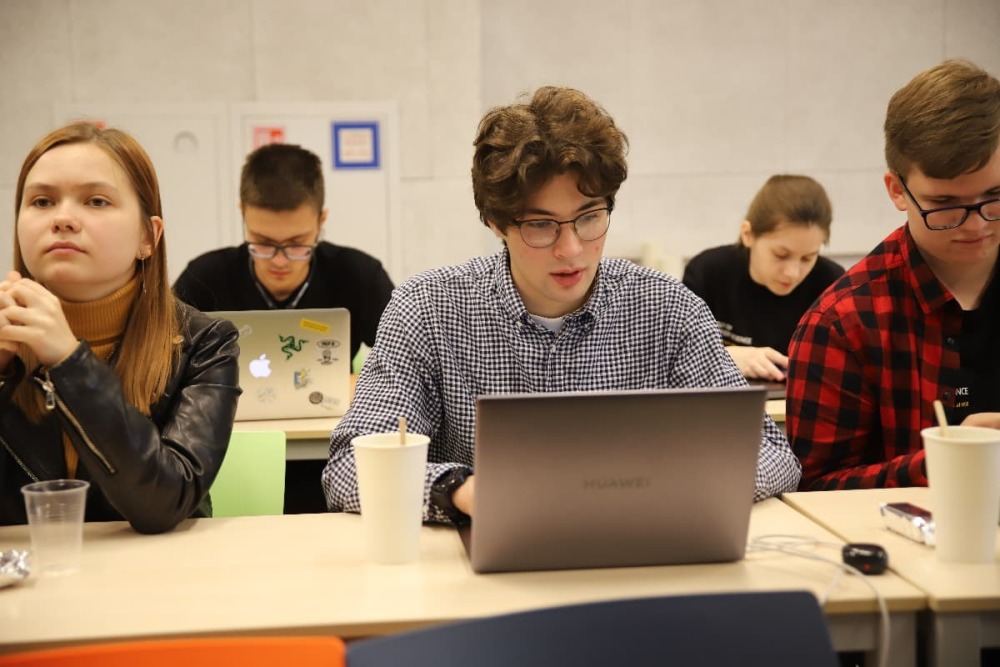
Students could choose one of the tracks: game development using 1C, Unreal, Unity or Java, or web application development. Students of each track were divided into small teams and then worked on a project. Students from the Faculty of Computer Science supported the participants.
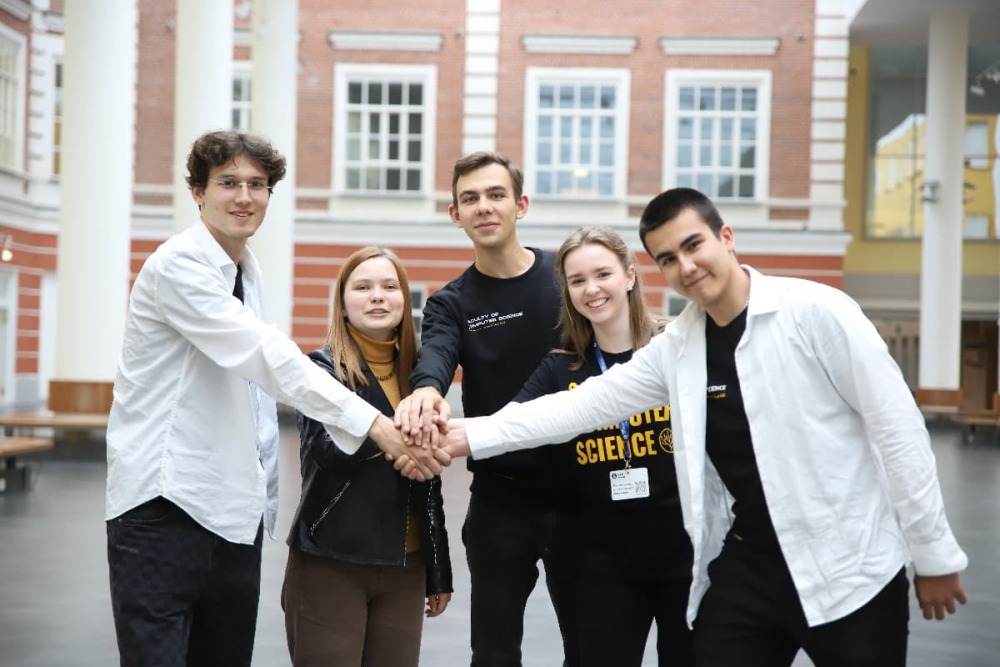
All students received branded FCS t-shirts, and the authors of the best projects also received prizes. The assistants also organised a tour around the HSE University campus on Pokrovsky Bulvar. Ivan Erlikh, curator of the ‘Game Development on 1C’ track, and deputy head of the HSE Joint Department with 1C, arranged a tour of the company's office for all participants of the school.
School students and organisers shared their impressions of the event.

Anna Lebedeva, participant of the ‘Web Application Development’ track
‘I had a basic knowledge of web development when I applied for the track. Initially it was hard, but the teachers and assistants helped, explained everything clearly, and gave me some additional materials,so I managed to implement my first simple, but fully-fledged project.
In addition to the interesting lectures, I also liked the classroom tours of the HSE University and the 1C office. I would like to thank the assistants Erica and Danya — they didn’t just help, but also made our stay at the school much more fun and comfortable. I'm glad I was able to have this experience and meet such cool people.’

Alexey Sawyer, curator of the ‘Game Development on Unity’ track, ‘Indicator’
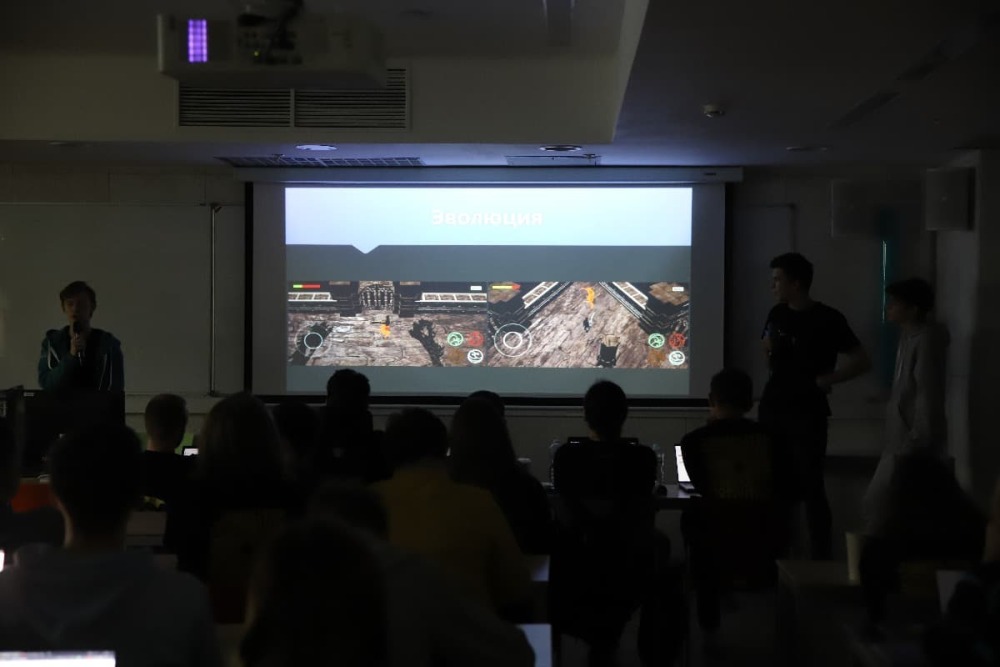
‘This summer school is a great opportunity to try out the role of a game developer. In two weeks, the students go through the full cycle of game development. They generate ideas, assemble teams, plan development, make a prototype and, finally, present their game.’

Olga Maksimenkova, School Academic Supervisor
‘This year we moved away from mobile technologies for the first time. And as a result, we managed to expand the variety of projects.
Industry partners are very interested in the school, they are well aware that today's schoolchildren will go on to build the future. For the first time, 1C and Sber joined us, the Samsung Innovation Campus had their own track, and once again Indicator collaborated with us.
In my opinion, we managed to capture that unique feeling of hard work, cooperation and the creation of cool IT projects.’

Ivan Erlikh, curator of the track ‘Game Development on 1C’, deputy head of the HSE Joint Department with 1C
‘We set ourselves a challenging task — to come up with a course for schoolchildren that both will interest them and introduce our technology for developing software using the ‘1C:Enterprise’ platform, to them. In order to do this, we focused on on games, or rather, text quests. In nine days, the participants had to master programming on the platform from scratch, learn how to integrate it with Telegram and write their own quest. We managed to attract excellent teachers — Kirill Avdeev and Elena Bonvech, and the organisers of the school found some absolutely fantastic students. Thanks to their joint work, at the end of the school, our track was able to present five working telegram bots.’
See also:

Cardiogenetics of the Future: Sequencing Helps Treat Heart Disease
Future cardiologists, geneticists, and IT specialists gathered at HSE University to learn how to 'read' DNA for diagnosing cardiovascular diseases. They explored modern sequencing methods and the complexities of working with digital twins of cardiac patients.
Archival Impulse: Dubna Hosts Summer School Organised by HSE University and JINR
The Joint Institute for Nuclear Research (JINR) in Dubna hosted the Archival Impulse Summer School, co-organised by JINR physicists, historians from the HSE Faculty of Humanities, and staff from the Archives of the Russian Academy of Sciences (ARAS). This first archival summer school continued the joint initiative of HSE University and JINR to examine and preserve the unique historical legacy of physicists.
HSE Shares Its Experience of Urban Strategies at International Summer School in China
In the context of intensifying global geopolitical and technological competition, leading Chinese educational institutions—Zhejiang International Studies University and Peking University—organised an International Summer School. Their joint programme focused on studying global, regional, and urban development strategies. The HSE Faculty of Urban and Regional Development took part in this event.
HSE GSB and Alfa-Bank Host Summer School for Chinese Students
The international summer school Digital Product Management, a joint educational project by the HSE Graduate School of Business (HSE GSB) and Alfa-Bank, brought together over 30 students from leading Chinese universities.
HSE University Students and Postgraduates Take Part in Peking University International Summer School
In July 2025, Peking University hosted its annual Quantum Molecular Dynamics Summer School, which has moved onto an international stage. Its first foreign guests were students and postgraduates from the HSE Tikhonov Moscow Institute of Electronics and Mathematics (MIEM). They took part in an extensive academic programme and had the opportunity to visit a laboratory that works with optoelectronic materials and energy devices.
‘Student Ideas Shed Light on Key Challenges for Urban Development’
The first international joint summer school of the Vysokovsky Graduate School of Urbanism (GSU) at both the HSE Faculty of Urban and Regional Development and Brest State Pushkin University (BrSU), hosted by BrSU, has come to a close. The programme focused on studying buffer zones along the railway lines encircling the city centre. Participants included students from the GSU’s Urban Planning degree programme, as well as students from BrSU and Brest State Technical University.
HSE University Presents Its Developments at the Positive Hack Days Fest
On May 22-24, HSE University presented its developments and degree programmes at the main IT event of the year, the Positive Hack Days International Cyber Fest at Luzhniki. Students and specialists of the Centre for Software Development and Digital Services of the Moscow Institute of Electronics and Mathematics (HSE MIEM), the School of Software Engineering of the Faculty of Computer Science, and the MIEM Workshop for Game Engineering and Interactive Systems together with students from HSE Art and Design School greeted festival guests.
‘A Laboratory at 3,000 Metres’: HSE University–St Petersburg to Start Call for First Summer School in Himalayas
HSE University–St Petersburg has announced the call for the Summer School in the Himalayas, which will take place from June 30 to July 13, 2025. The Summer School is the follow-up to two expeditions in the Himalayas organised by the St Petersburg School of Social Sciences in 2024. The programme allows bachelor's, master's, and PhD students to immerse themselves in research on climate change and sustainability in local communities in the unique natural laboratory of the Himalayan region.
From Sequencing to Constructing a Cardio Panel: Summer School in Cardiogenetics
From August 19 to 29, the Continuing Professional Development Centre of the HSE Faculty of Computer Science hosted the summer school 'Cardiogenetics: From Sequencing to Constructing a Cardio Panel,' organised in collaboration with the Russian Academy of Sciences' Institute of Analytical Instrumentation (IAI) and Institute of Spectroscopy (ISAN), and the Syntol company. The summer school was conducted within the framework of the Federal Research Programme for Genetic Technologies Development for 2019–2027 (Project 15.IP.21.0004).
'These Are Unforgettable Impressions, I Will Cherish Them Forever'
HSE St Petersburg International Summer School is in full swing—right now, international students from 12 countries are attending lectures and enjoying the cultural programme. The HSE News Service talked to the participants about their most vivid impressions.