

2 years
Full-time programme
590 000 RUB/year
Tuition Fee in 2026
Russian government and HSE scholarships and tuition fee waivers available
ENG
Instruction in English
During your studies
Career opportunities
How to apply
News

Mujing Raissa Mij, from the Democratic Republic of the Congo, is a student of the Master’s Programme in Linguistic Theory and Language Description. In her interview with the HSE News Service, she reflects of her studies at HSE University, shares her career plans, and describes the summer vibe in Moscow.
Communityideas & experienceinternational studentsmaster's programmes Democratic Republic of the Congo
July 17, 2025
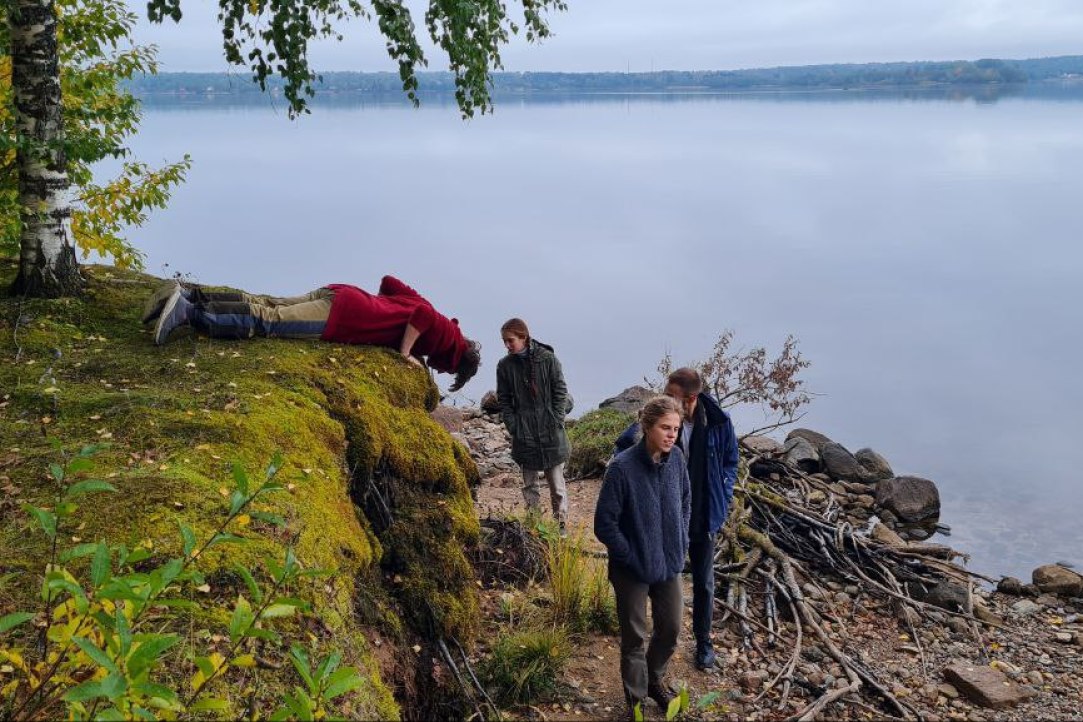
On October 1-2, the fourth retreat seminar of the Society of Field Linguists took place, organized jointly by the staff of the Linguistic Convergence Laboratory and the Institute for Linguistic Studies (RSA).
Research & Expertiseprofessorsconferences & seminarsstudentsmaster's programmes bachelor's programmesLinguistic Convergence Laboratory
October 20, 2022

The start of a new academic year is an excellent time to plan the next steps in your academic career. On September 1, HSE University announced the start of its annual Student Research Paper Competition (SRPC-2022). Participation is open to students of Russian and international universities and to 2022 graduates. Last year, a total of 2,196 papers were submitted to the SRPC, of which 435 were from external participants.
Research & Expertisestudentsresearch projectsInvitation to participateStudent Research Paper Competition
September 01, 2022
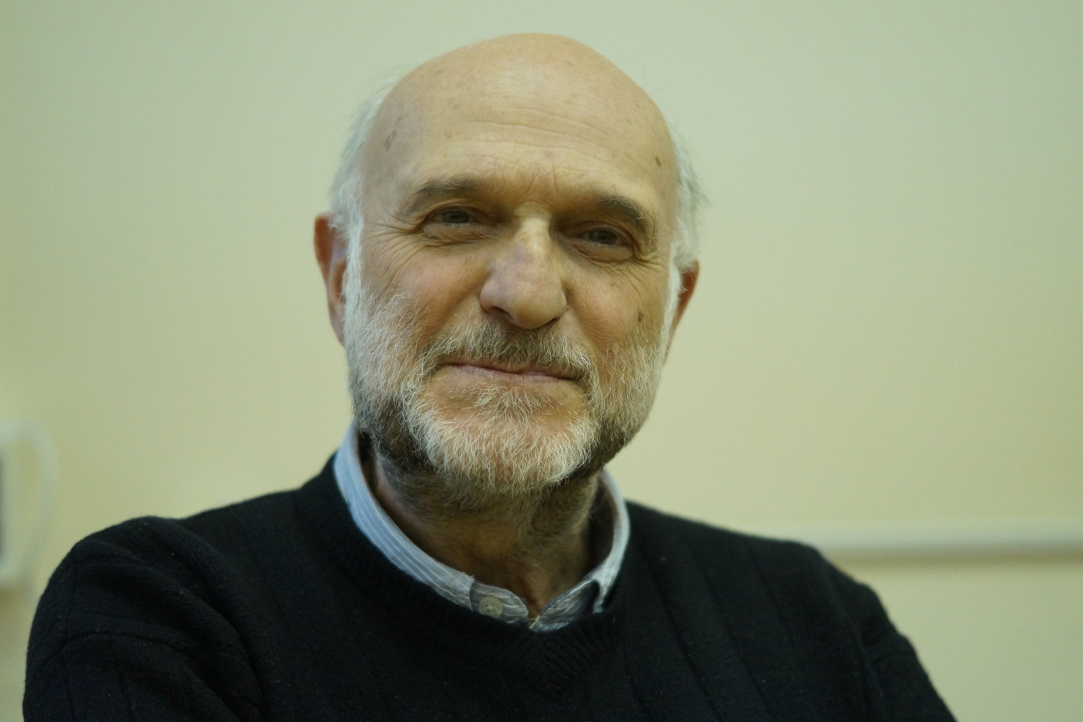
Guglielmo Cinque is a professor of linguistics at the University of Venice and one of the most well-known European generativists. Recently he paid a week-long visit the HSE School of linguistics, and now shares his impressions of our students and staff, as well as of this year's weather in Moscow.
June 15, 2017

The course is authored and run by the head of the school, prof. Ekaterina Rakhilina.
March 22, 2017
In March 2017, International Olympiad Competitions will be held for perspective students interested in studying in Master’s programmes at HSE University. All current undergraduate students and recent university graduates students interested in pursuing a Master’s degree are invited to participate.
February 02, 2017
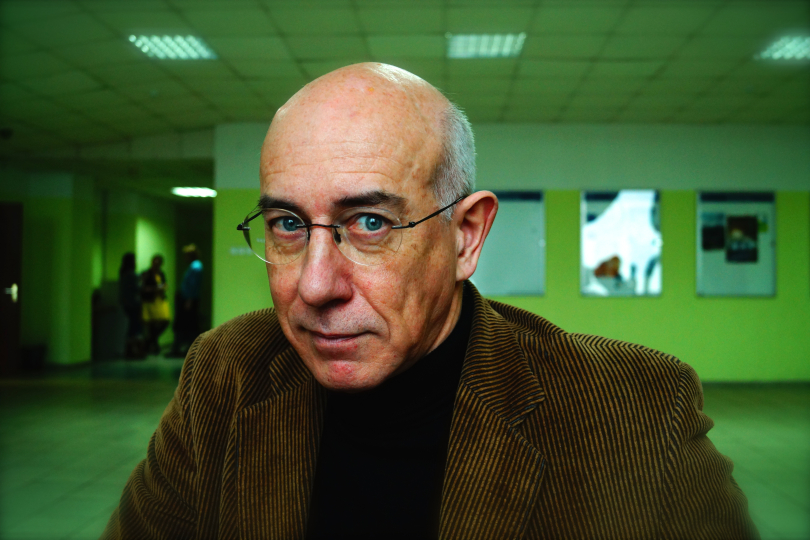
Dirk Geeraerts, a professor at the University of Leuven, talks about the advantages of linguistiс training at the Higher School of Econimics, the high level of interaction demonstrated by the students at the School of Linguistics, and the potential upcoming convergence of fundamental and applied linguistic research.
December 02, 2016
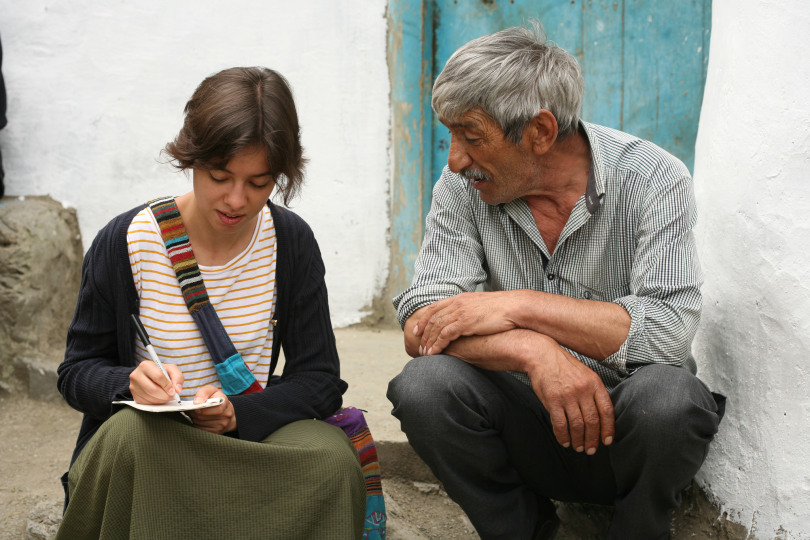
This year HSE has launched a new English-taught MA programme ‘Linguistic Theory and Language Description’, which has evolved from a specialization on the Computer Linguistics programme. Michael Daniel, one of the programme’s Academic Supervisors, told the HSE news service about the multilingual people who will study here, the expeditions the students will go on, and other features of the programme.
November 21, 2016
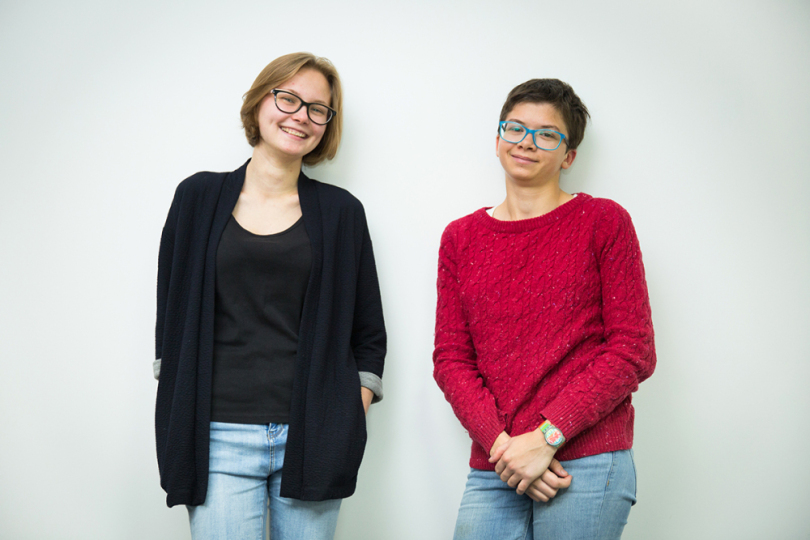
Is it possible to learn a new language well enough in just two weeks to conduct linguistic research on it? This is an entirely standard practice for linguists, according to Sasha Kozhukhar and Liza Vostokova, both students in the Linguistic Theory and Language Description master’s programme. This past summer, Sasha and Liza went on an expedition to Guatemala to study Kaqchikel, an indigenous Mayan language.
October 10, 2016
Other Master’s Programmes
Computational Linguistics
2 years
Full-time programme
RUS+ENG
Instruction in Russian with some courses in English
Digital Humanities
2 years
Full-time programme
RUS+ENG
Instruction in Russian with some courses in English
Russian as a Foreign Language
2 years
Full-time programme
RUS+ENG
Instruction in Russian with some courses in English