

Breakthrough Solutions to Lead the Way in Modernizing Education
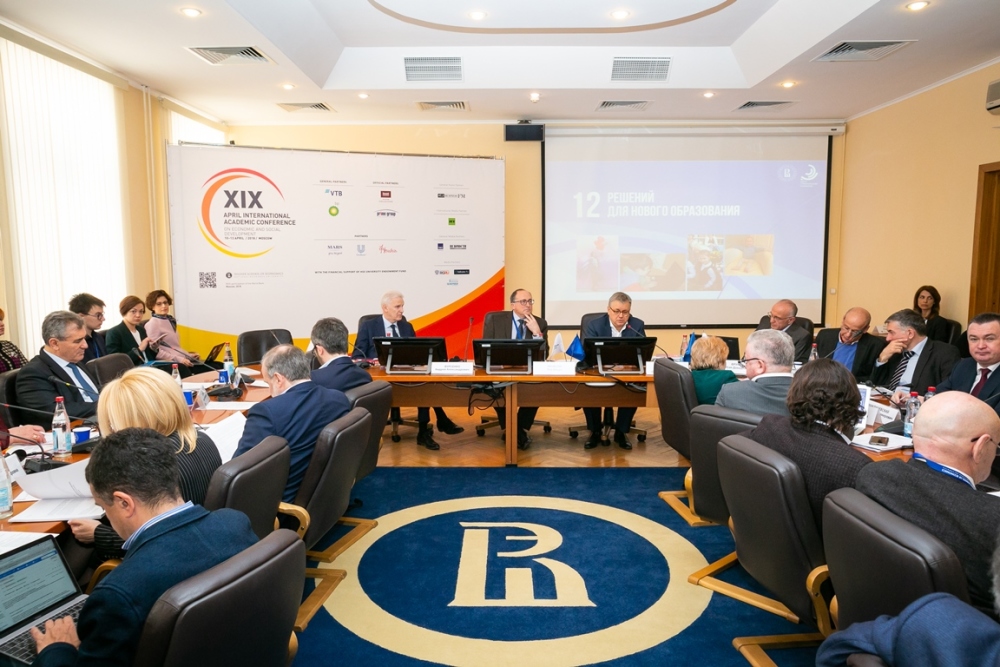
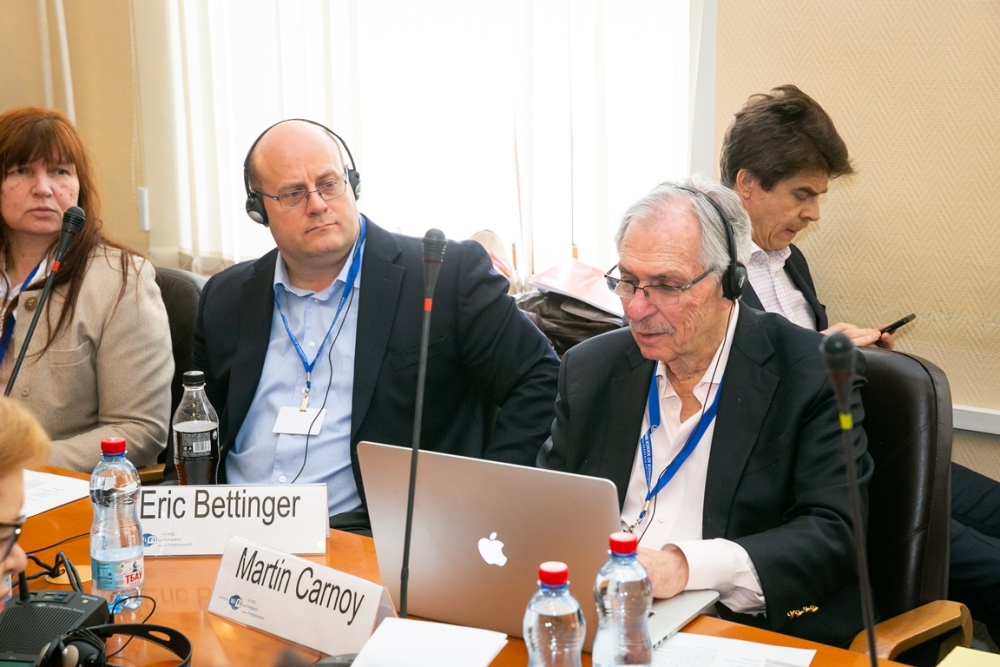
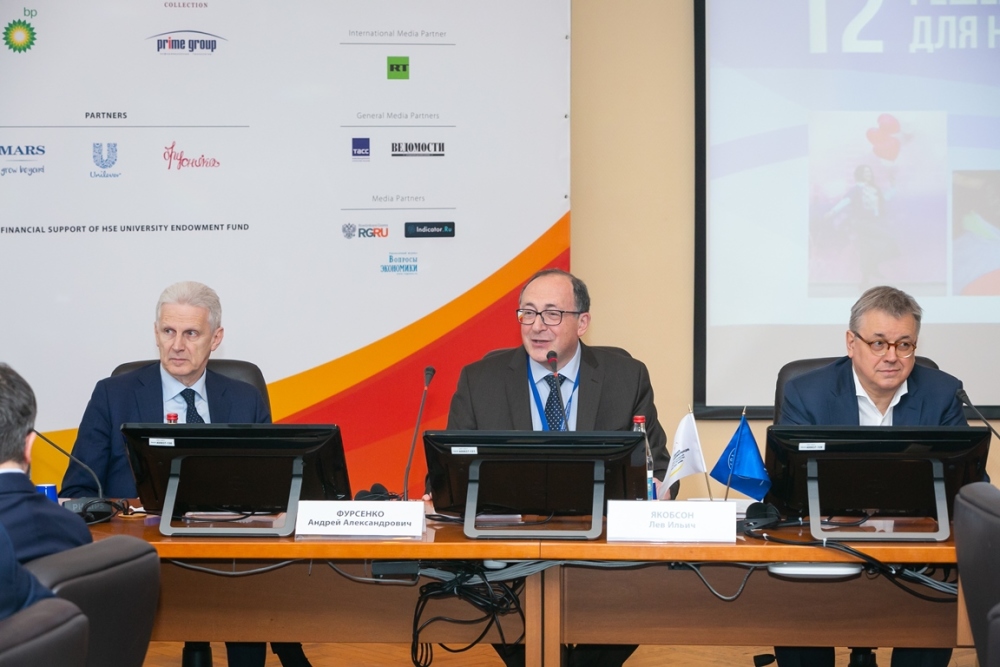
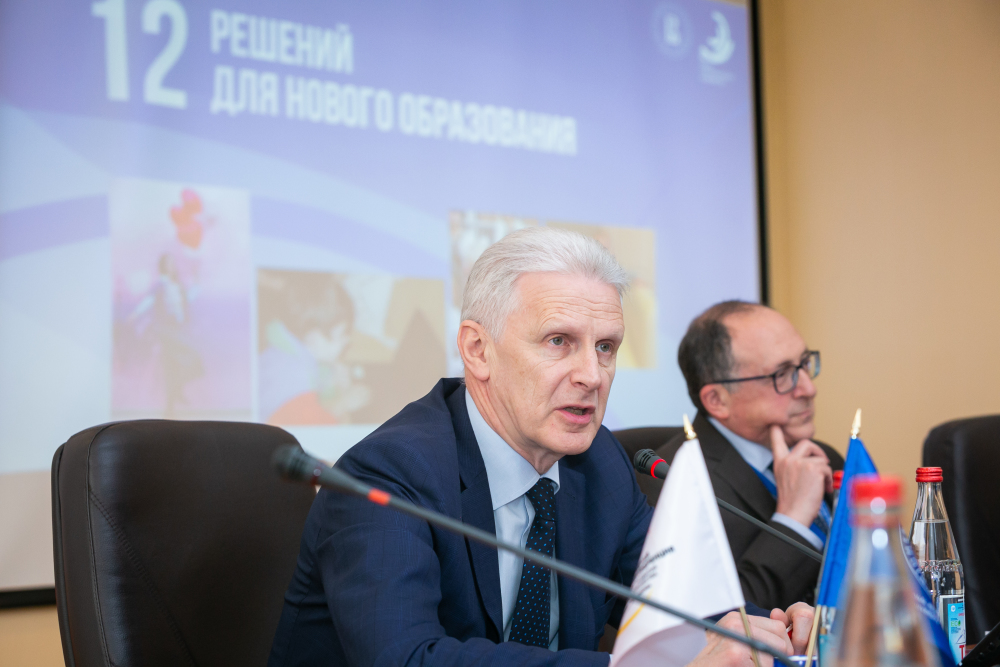


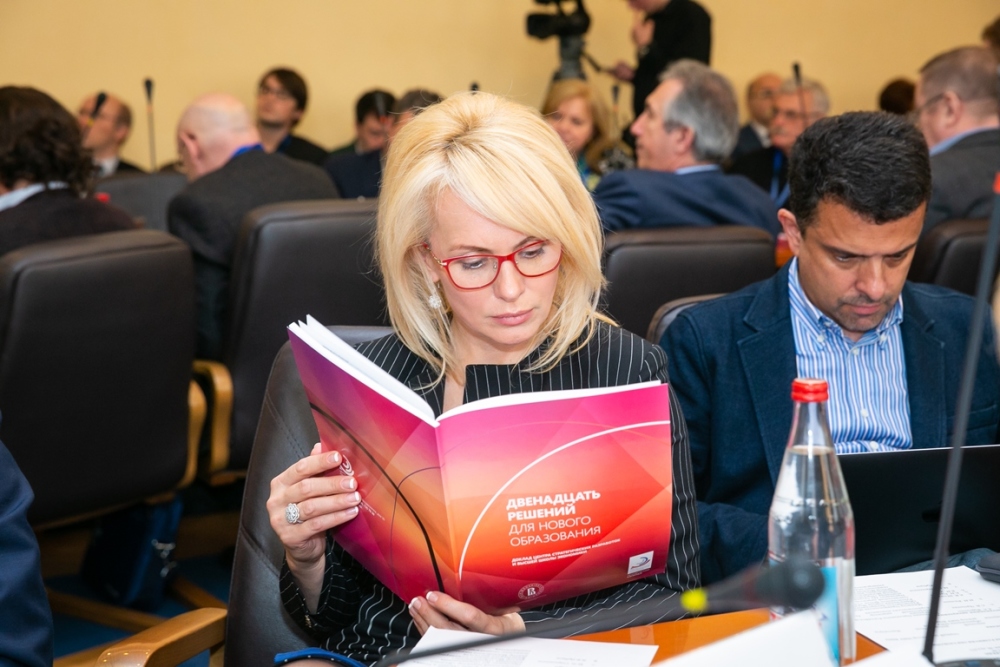


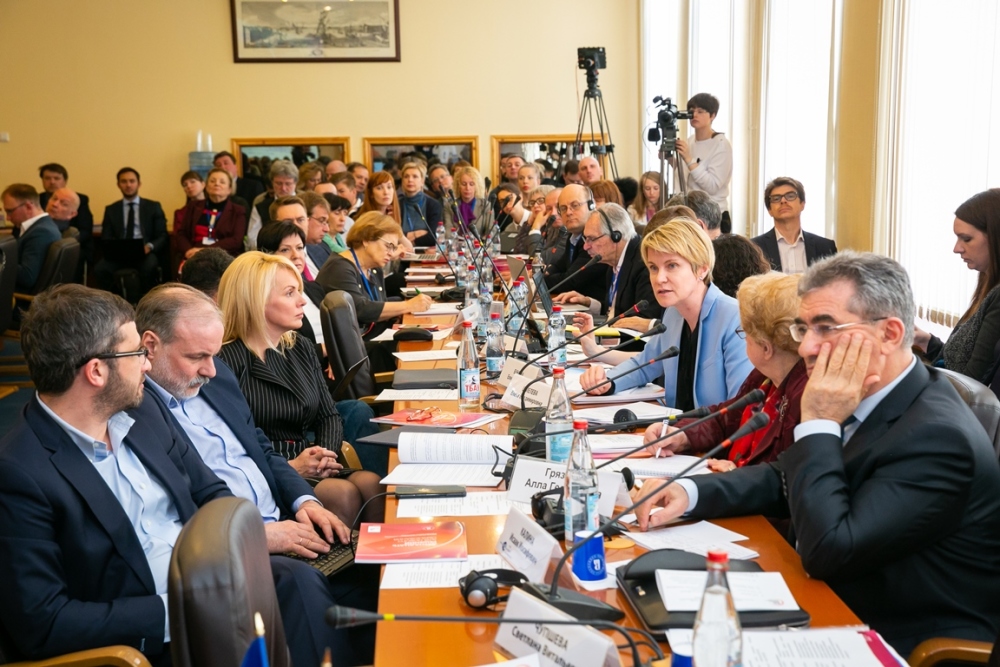
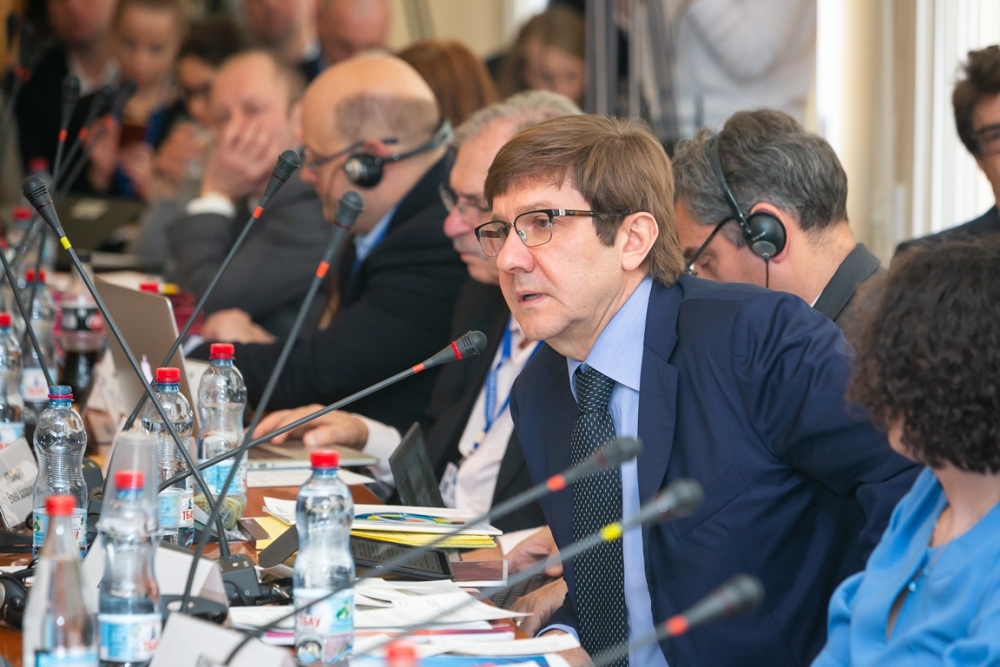


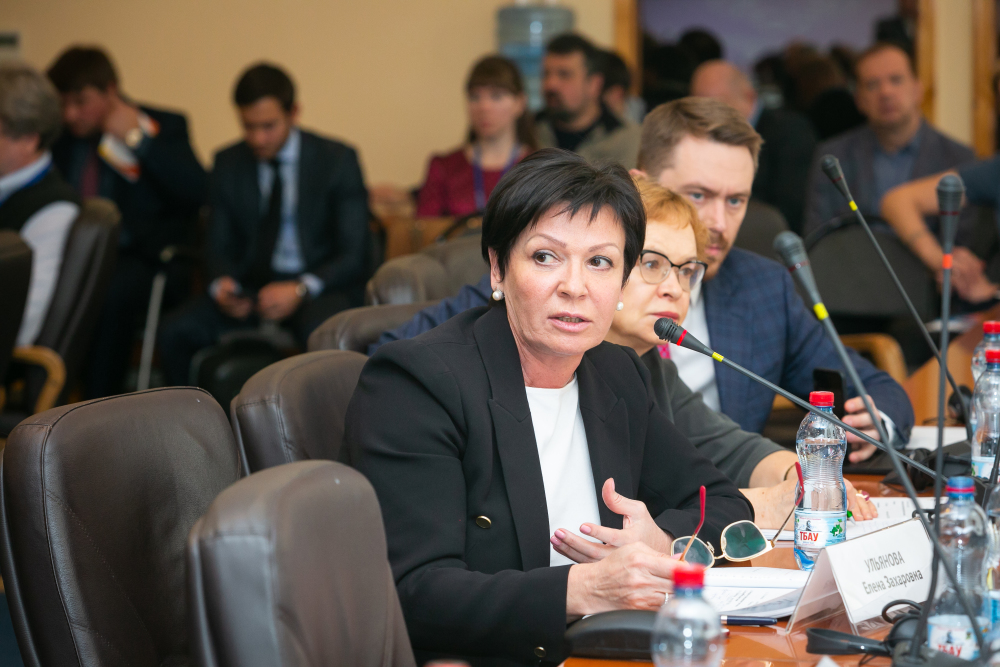
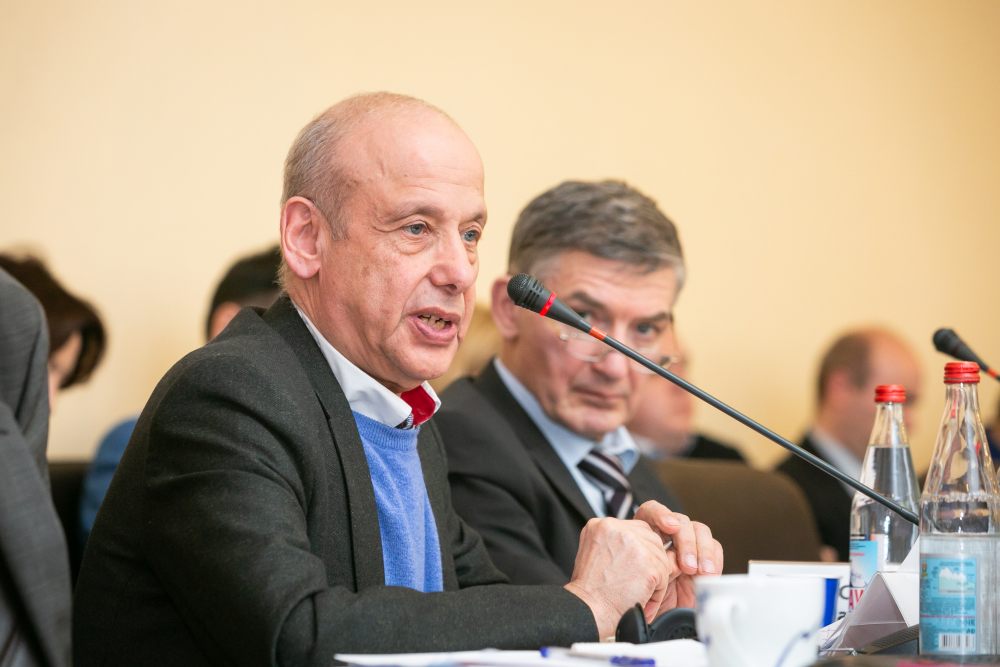

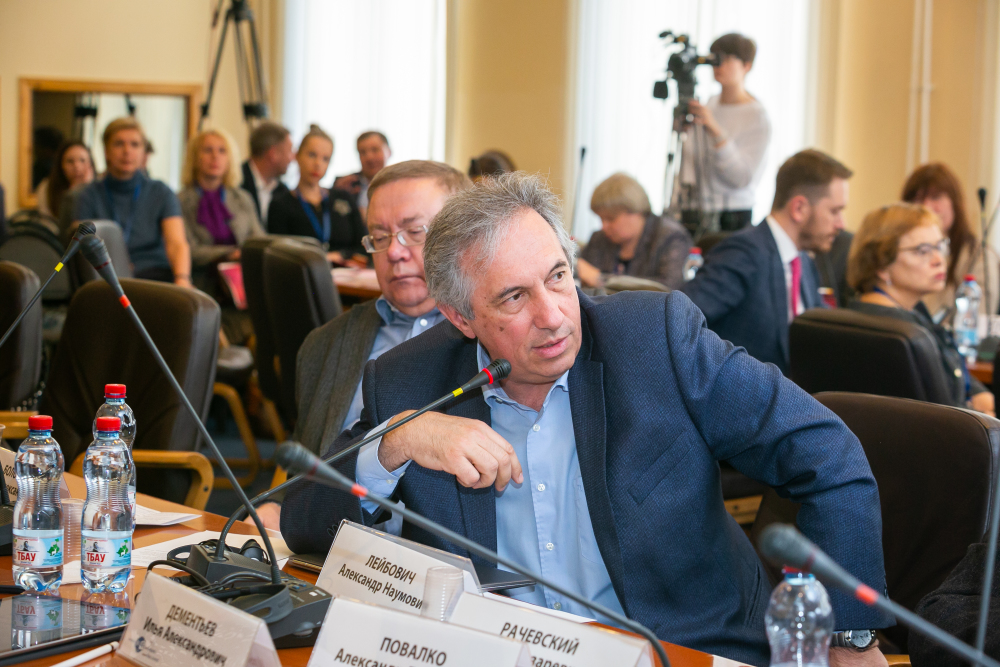

On April 11, the educational portion of the XIX April International Academic Conference featured a presentation and discussion of the paper ‘12 Solutions for New Education,’ which was prepared by the Higher School of Economics and the Centre for Strategic Development.
These 12 solutions make up a greater programme focused on looking at the entire spectrum of changes that are needed, noted HSE Rector Yaroslav Kuzminov. Different scenarios are possible in carrying out these solutions, but the inertia or non-monetary options have been excluded as a matter of principle. The government does, however, have other social obligations, and the education system cannot therefore count on the maximum amount of desired financing. Because of this, of the proposed projects and subprojects it is necessary to select the most important ones and determine what can be given up, Yaroslav Kuzminov added.
Currently, four important areas have been selected based on discussions with the professional community: aligning children’s educational opportunities, reforming high school education, creating the conditions for adults to pursue continuing education, and ensuring equal access to quality professional education.
Yaroslav Kuzminov noted that 60% of families are ready to invest in education, and co-financing mechanisms do not have to touch the laws set forth by the Russian Constitution concerning free education. It is also important to attract money from businesses and use state and private partnerships to solve the problems education faces with infrastructure. Another resource for change is the development of the digital environment, which can be used to achieve results with fewer costs than if traditional forms alone were used.
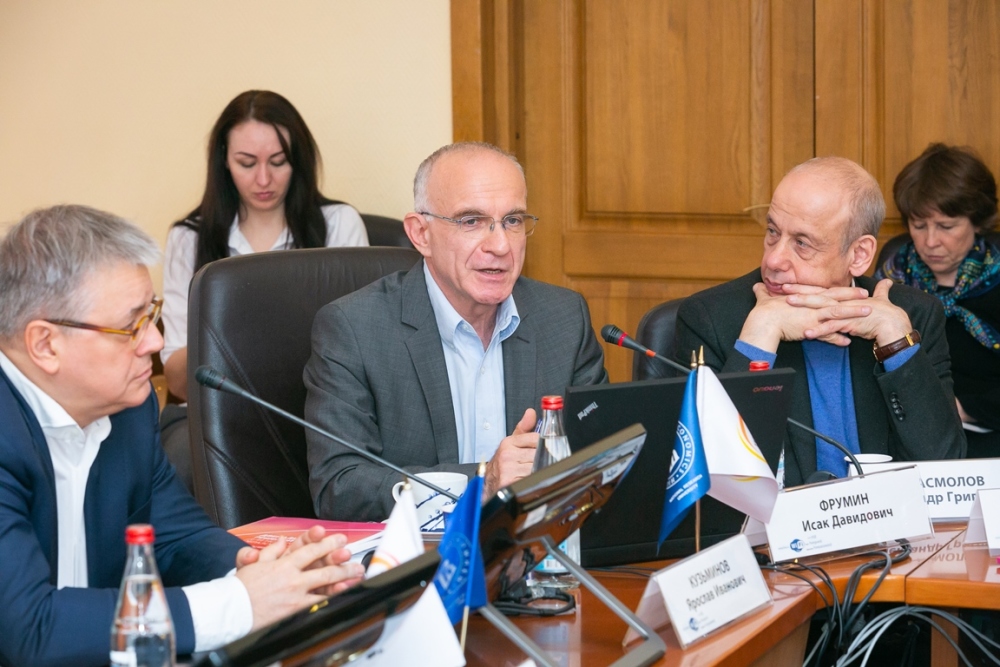
According to the Head of the HSE Institute of Education Isak Froumin, Russia has a high level of educational attainment, but higher access to education does not lead to an increase in workforce productivity. In OECD countries with higher incomes, 70% of the national wealth consists of the human potential that is capitalised in intellectual products and services. In Russia, however, this figure is only 48%. But education is not hostage to imperfect labour market institutions or a bad business climate; the problem is the insufficient quality of education. For example, we have not yet been adequately successful at giving schoolchildren the tools of the 21st century. According to research conducted by PISA, fewer than 2% of Russian schoolchildren achieve the highest level of the three foundational literacy concepts, whereas 6.5% of South Korean students do.
Another problem is that Russia is incredibly behind competing countries as concerns education financing, Isak Froumin noted. Over the last few years, the level of real financing in education has dropped considerably, and there are simply not enough funds. It is therefore difficult to introduce the necessary methods for improving education. A classic example is notebooks for schoolchildren, notebooks that make the learning process more comfortable. The Russian regions are not prepared to spend budgetary funds on them every year, and parents are not ready to spend their own money since they believe that general education should be completely free.
Russian Presidential Aide and Former Education and Science Minister Andrei Fursenko explained that the authors of the paper aimed to answer two questions – how can education promote the country’s development, and how can education spending be used to guarantee that each person is able to realise his or her potential. The question of how those who work in education will feel is also important, but minor.
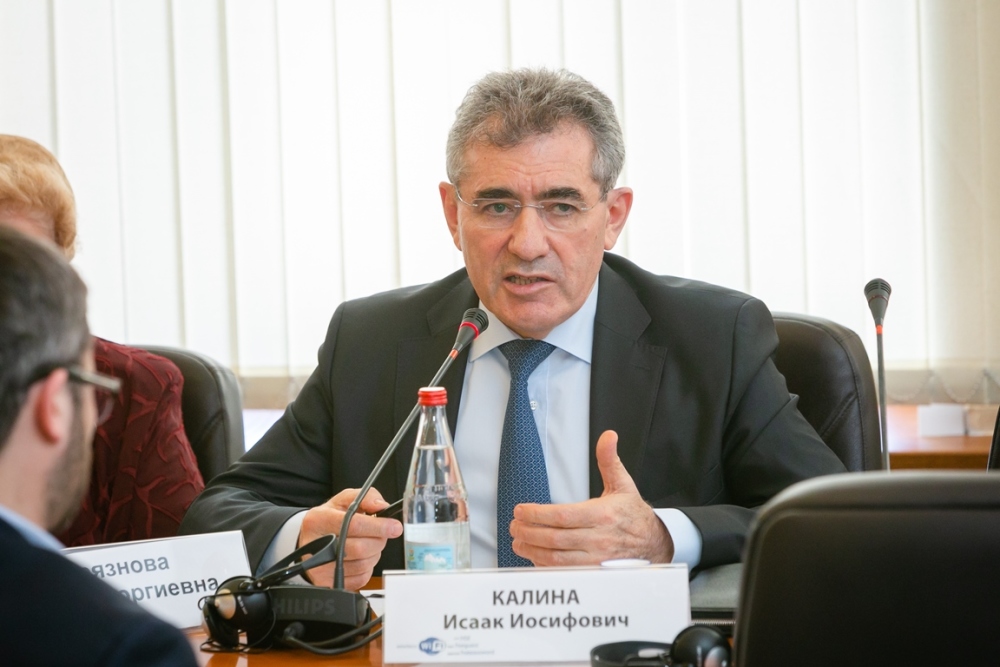
During the discussion, Moscow Department of Education Chief Isaak Kalina said it was necessary to factor in not only economic efficiency indicators for attracting additional funds for the education system, but also social and pedagogical ones as well, as done in Moscow. He added that an increase in budgetary spending on education does not need to be dragged out over the course of several years; Moscow’s experience shows that a 1.5-year allocation of larger financing provides a lasting effect.
The President of the Russian publishing house Prosveshchenie Vladimir Uzun noted the importance of creating new ‘digital schools’ in Russia that would become modern centres for education, and he suggested starting by transforming high schools. Businesses are also prepared to participate in this programme, so the money the government invests can be doubled in this case. ‘Financial models and roadmaps have already been prepared, and barriers have been identified that prevent private businesses from investing in education. Concrete steps have been set to help get rid of these [barriers],’ Vladimir Uzun concluded.
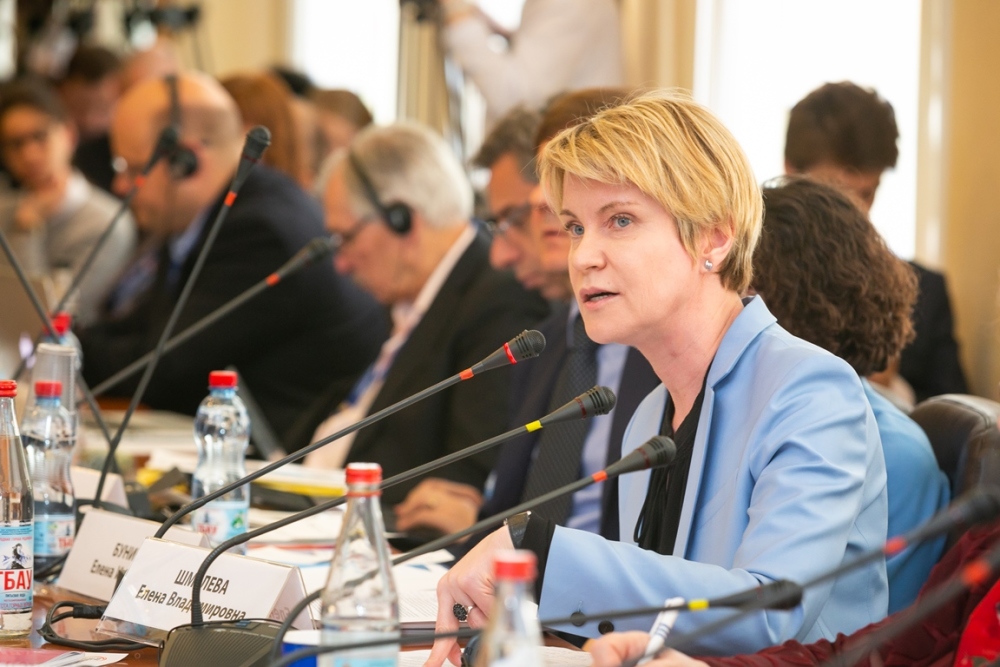
The Head of the Talent and Success Foundation Elena Shmeleva said that working with talent is a core factor in the country’s economic success. She believes it is critical for representatives of science and higher education, as well as mentors from the business sector, to teach gifted children. They are the ones who will become the ‘drivers of meaning,’ and it is under this model that the Sirius Educational Centre in Sochi is already operating.
See also:

Applications for Participation in XXVI April International Academic Conference Still Open
Applications can be submitted on the conference website until December 16, 2025. The programme has been developed around five research themes: Economics, Human Capital and Society, Instrumental Methods and Models, Foresight Research, and International Research. The heads of these areas have presented, in video format, the priority topics and sections for which they are expecting submissions.
Applications to Participate in April International Academic Conference Now Open
HSE University is now accepting proposals to present academic reports at the XXVI April International Academic Conference named after Evgeny Yasin. Applications can be submitted until December 16, 2025. The conference events will take place mainly on-site in Moscow from April 14 to 17, 2026.
24 Countries Represented at 25th Yasin International Academic Conference Held by HSE University
The Programme Committee of the 25th Yasin (April) International Academic Conference on Economic and Social Development has summed up the initial results. In 2025, 1,384 people from 24 countries and 29 Russian regions participated in the conference, with 335 of them delivering presentations.
Stuck in the Net: How Much Time Children Spend Online
On average, a schoolchild spends 48 hours a week on studies—equivalent to a six-day working week for an adult. This was highlighted by experts at the round table ‘Domains of Children’s Well-Being Evaluation for Human Potential and Evidence-Based Social Policy Development,’ held as part of the 25th Yasin (April) International Academic Conference.
Russian and Chinese Scholars Share Experience of Transformation of Doctoral Education
The Russian and Chinese postgraduate education systems originally borrowed their institutional frameworks from the Soviet Union. However, in the 21st century, they have evolved along different paths. While key performance indicators for postgraduate programmes in Russia are declining, China is seeing a rapid increase in the number of postgraduate students. These contrasting trajectories and the reforms undertaken in each country in recent decades were the focus of a roundtable discussion held as part of the 25th Yasin (April) International Academic Conference.
Nobel Laureate Proposes Solution to Markov Equilibrium Problem
In dynamic games, a Markov equilibrium involves strategies that guide players' behaviour based on the current state of the game, rather than its entire history. This approach is effective when players have access to complete information. But when uncertainty arises in the game—for instance, when players are unsure of who they are dealing with—this approach can become problematic. Eric Maskin, Nobel Laureate in Economics and Professor at Harvard University, addressed this issue in a paper presented at the XXV Yasin (April) International Academic Conference on Economic and Social Development held at HSE University from April 15 to 18, 2025.
‘The World Is Becoming More Complex and Less Predictable’: What Scientists Say about the Future
The future is now more difficult for researchers to forecast, and events that are hard to predict are playing an increasingly significant role. But there is good news too: scientists are confident that humanity will adapt to any changes. This was the focus of discussion at the International Symposium ‘Foresight in a Rapidly Changing World,’ which took place as part of the 25th Yasin (April) International Academic Conference.
Fragmentation and Bloc Formation: How the Global Economy is Changing
Sergey Dubinin, former head of the Bank of Russia and Professor of Finance and Credit at the Faculty of Economics at Moscow State University, has delivered an honorary address at the XXV Yasin (April) International Academic Conference. He spoke about the transformation of the global monetary and financial system, as well as the Russian economy.
More Children, More Happiness: HSE Experts Study Impact of Number of Children on Russians' Assessment of Happiness
Russians with children feel happier than those without children. At the same time, the number of children influences the assessment of happiness: the more children Russians have, the happier they feel. These conclusions were outlined inthe report ‘More Children, More Happiness: The Impact of the Number of Children on Russians’ Assessment of Happiness,’ presented at the XXV Yasin (April) International Academic Conference on Economic and Social Development, held on April 15–18 at HSE University. The study was conducted by Elena Churilova, Senior Research Fellow, and Dmitry Jdanov, Chief Research Fellowat HSE International Laboratory for Population and Health.
HSE Expands Cooperation with Gulf Countries
HSE University and the Centre for International Policy Research (Qatar) have agreed to collaborate in the field of social sciences, with plans for joint research, academic exchanges, and regular expert engagement. The agreement was signed during the roundtable ‘State Capacity and State Resilience in the Global South,’ held as part of the 25th Yasin (April) International Academic Conference at HSE University.